

In the complex landscape of modern corporate wellness, bridging the gap between available benefits and actual employee utilization remains a formidable challenge for HR leaders. Sofia Khaira, an expert in diversity, equity, and inclusion with a specialized focus on talent management, brings a
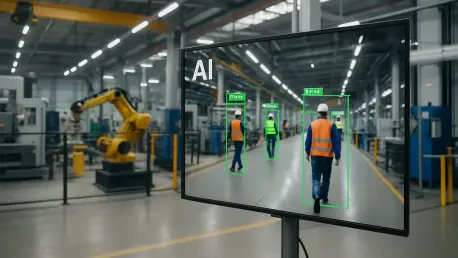
The integration of artificial intelligence into industrial environments has moved far beyond simple automation, evolving into a fundamental guardian of human life in the most hazardous sectors of the global economy, such as deep-sea drilling and heavy manufacturing. Modern industrial sites are no

The most profound irony of modern business is that the very organizations possessing the deepest pockets and the most extensive talent pools are often the ones that struggle most to bring a single new idea to market. This "innovation gap" represents a widening chasm between an executive board’s

The modern labor market has undergone a seismic shift as candidates now prioritize financial transparency over almost every other employer attribute, with data showing that 40% of job seekers completely ignore listings that lack clear compensation figures. This transition from total pay secrecy to

The modern American worker is currently facing a silent but aggressive predator that is systematically dismantling their plans for a stable and comfortable post-career life. While inflationary pressures have impacted almost every sector of the economy from 2026 to 2028, the exponential growth in

The era of clandestine salary negotiations and whispered water-cooler conversations regarding pay is rapidly approaching its definitive conclusion. As the June deadline for the EU Pay Transparency Directive nears, the traditional veil of secrecy that has long shrouded corporate compensation is