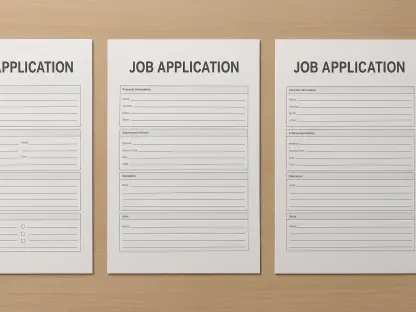

Talent acquisition teams frequently waste valuable interview resources on fraudulent actors who use generative AI to mimic high-level technical skills. This systemic issue has intensified as the labor market fully embraces digital-first interactions, leaving traditional vetting methods like static
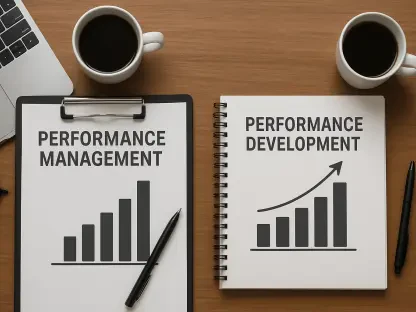
Effective performance development occurs through daily tasks and interactions rather than being confined to isolated once-a-year meetings. This realization marks a departure from traditional corporate structures that long prioritized retrospective critiques over prospective growth. For decades, the

Speeding up the generation of strategy documents with AI only exacerbates the problem if there is no system to ensure those goals are followed. Organizations often find themselves in a paradox where the speed of planning far outpaces the capacity for implementation, resulting in a state of

The risk of worker misclassification in countries with strict labor laws like France or Brazil makes rigorous compliance checks a mandatory feature for any international expansion plan. As companies look to scale their engineering teams across international borders, the traditional method of

The traditional reliance on a manager’s intuition often crumbles when faced with the sheer volume of data required to navigate a rapidly shifting global talent market. Middle managers are currently caught in a high-stakes squeeze, tasked with navigating rapid workforce transformation while tethered

A staggering perception gap exists in the United Kingdom where ninety-five percent of HR leaders rate their employee experience as excellent while only sixty percent of workers agree. This fundamental disconnect serves as a warning for organizations currently navigating what industry experts have
1 2 3 4 5 6 7 8 9 10 11 12 13 14 15 16 17 18 19 20 21 22 23 24 25 26 27 28 29 30 31 32 33 34 35 36 37 38 39 40 41 42 43 44 45 46 47 48 49 50