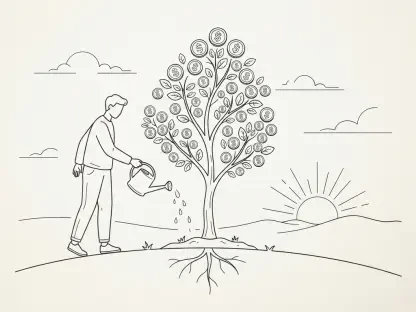
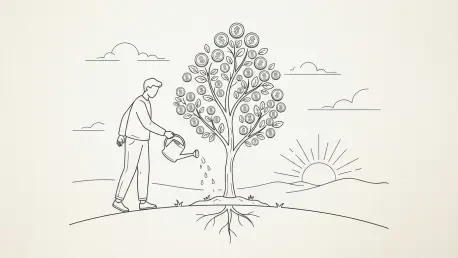
A worker who begins investing three hundred dollars every month at age twenty-five can potentially build a portfolio worth nearly nine hundred thirty-three thousand dollars by retirement. This financial projection serves as a stark reminder that the modern retirement landscape requires far more
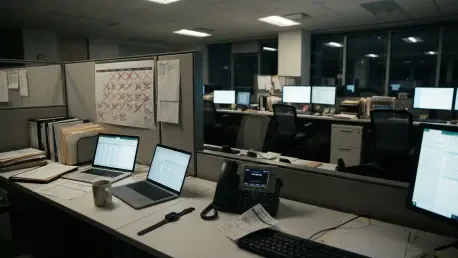
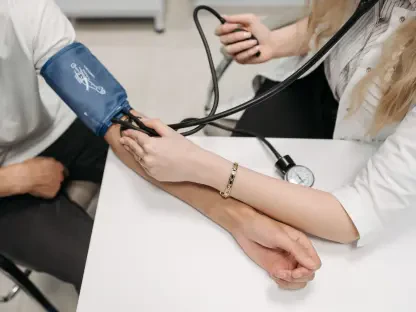
Current primary care models assume patients possess a level of daytime flexibility that does not align with the realities of the modern, high-pressure labor market. This fundamental mismatch has surfaced as a primary driver of health inequality across England, as a newly released comprehensive

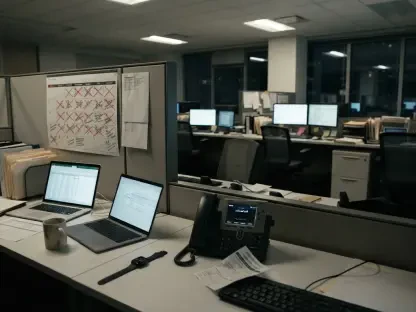
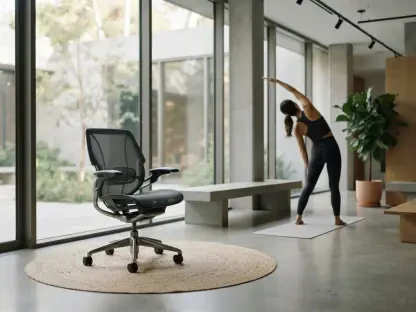
Corporate organizations frequently allocate massive budgets to ergonomic hardware and furniture upgrades, yet the actual health benefits for employees remain surprisingly stagnant according to recent findings. This roundup examines the growing disconnect between high-end office investments and the

A strategic approach to disability management ensures that employees feel heard and respected, which significantly reduces the likelihood of them seeking legal counsel. In the current 2026 professional landscape, navigating the complexities of the Americans with Disabilities Act has become a
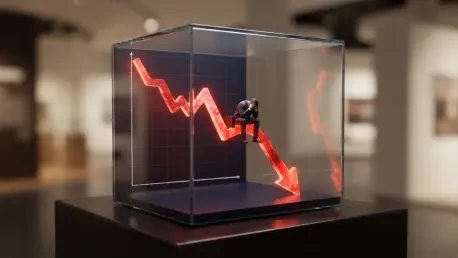
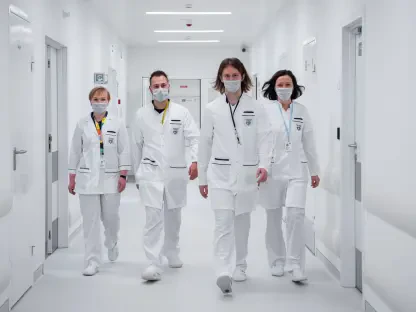
While traditional absenteeism is easy for businesses to track, the invisible impact of employees working while unwell is far more damaging to the economy. The Vitality Global Health and Productivity Index 2026, developed in a collaborative effort between Vitality and RAND Europe, reveals a
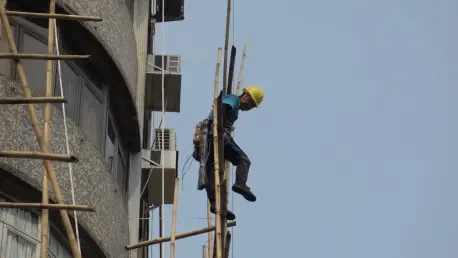
Although workers aged 55 and older account for only a small portion of total falls, they represent a disproportionate 13.3 percent of all occupational fall deaths in the country. This startling statistic highlights a critical vulnerability in Thailand’s labor force, where falls from heights remain
1 2 3 4 5 6 7 8 9 10 11 12 13 14 15 16 17 18 19 20 21 22 23 24 25 26 27 28 29 30 31 32 33 34 35 36 37 38 39 40 41 42 43 44 45