

The gap between a retention rate of 89 percent for the general workforce and a mere 25 percent for workers with disabilities highlights a critical systemic failure in Singapore. While the city-state has celebrated a rise in the overall employment rate for Persons with Disabilities (PWDs) to nearly

Closing the earnings disparity would provide enough additional income for the average Latina worker to cover over thirty months of childcare or eighteen months of health insurance premiums. In the current economic landscape of 2026, the persistence of such a staggering wage gap represents not just

The Autism Foundation of Oklahoma is actively dismantling systemic barriers through a structured curriculum that awards an Autism-Friendly Business Certification to local employers. Every October, the state coordinates with the Oklahoma Department of Rehabilitation Services (DRS) to observe

A striking 11% year-over-year increase in Republican support for the profitability of diversity initiatives highlights a significant shift in the national business discourse. This evolution suggests that the pragmatic benefits of a diverse workforce are finally outweighing the ideological friction
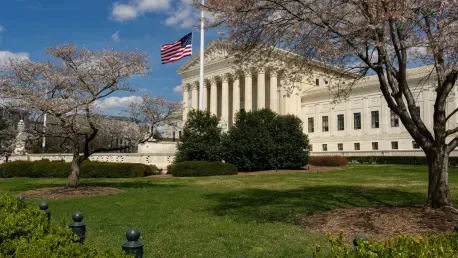
The complexity of modern workplace litigation often demands a definitive voice from the highest court, yet the current refusal to grant certiorari creates a vacuum that regional circuits must now fill independently. By stepping back from several high-profile employment disputes as the 2026 term

A transition from diagnosis-led to needs-led support is currently reshaping how the British government approaches employment for people with cognitive differences. This pivot comes at a time when the economic necessity of a diverse and adaptable labor force is widely recognized, yet a significant
1 2 3 4 5 6 7 8 9 10 11 12 13 14 15 16 17 18 19 20 21 22 23 24 25 26 27 28 29 30 31 32 33 34 35 36