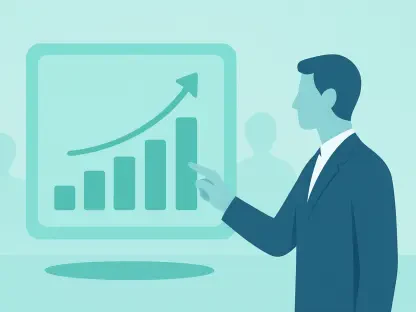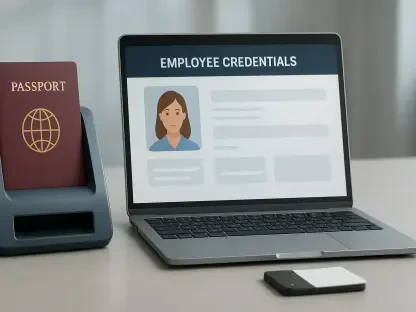

Beginning July 1, 2027, companies operating in California must provide independent evidence to support any adverse employment action primarily triggered by automated decision systems. In this landscape, workers have often found themselves penalized by opaque algorithms that calculate efficiency
Sofia Khaira has established herself as a cornerstone of modern HR operations, specializing in the intricate balance between diversity, equity, and inclusion and the technical rigors of talent management. With a career dedicated to refining how organizations recognize and cultivate human potential,

Artificial intelligence in HRIS tools is currently split between improving administrative retrieval speeds and providing deep sentiment analysis of employee engagement surveys. This divergence represents a fundamental shift in how organizations perceive human capital data in 2026, moving away from

Artisan earnings for the 2026 Peace Collection fluctuated between seventeen percent and two hundred sixty percent of local living wage benchmarks across fourteen different products. This variance highlights the immense complexity of standardizing fair compensation within the MADE51 initiative, a
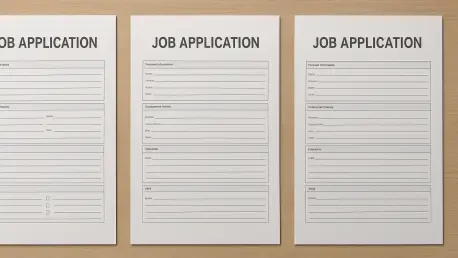
Industry experts suggest that the only sustainable solution to the application crisis is bridging the skills gap through authentic education and realistic entry-level requirements. This perspective comes at a time when the recruitment landscape is reeling from a deluge of automated submissions that

Navigating the labyrinthine shifts of modern labor law has historically required a small army of attorneys and a mountain of manual paperwork, but a new class of agentic artificial intelligence is fundamentally rewriting that script. This technology, exemplified by recent advancements from
1 2 3 4 5 6 7 8 9 10 11 12 13 14 15 16 17 18 19 20 21 22 23 24 25 26 27 28 29 30 31 32 33 34 35 36 37 38 39 40 41 42 43 44 45 46 47 48 49 50