
In a move that has sent ripples of uncertainty through the corporate world, the U.S. Equal Employment Opportunity Commission (EEOC) has abruptly rescinded its comprehensive harassment guidance, a meticulously developed document that was a decade in the making. Published in April 2024, the guidance

Corporate compliance training has long been championed as the bedrock of a responsible and ethical organization, yet recent data suggests a growing chasm between the intended purpose of these programs and their real-world impact. While designed to be a shield against legal risk and a tool for

A new government proposal targeting the powerful "middlemen" in the pharmaceutical supply chain aims to explain why your prescription costs what it does, raising questions about whether these intermediaries are pocketing a larger share than you think. This significant regulatory initiative,
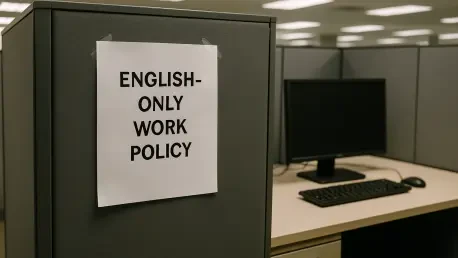
Today we’re joined by Sofia Khaira, a distinguished specialist in diversity, equity, and inclusion. With a deep focus on enhancing talent management, Sofia helps organizations cultivate truly inclusive environments. We'll be exploring the delicate balance of workplace communication policies

A dramatic recalibration of federal policy on noncompete agreements has unfolded, signaling a decisive move away from broad regulatory bans toward a more targeted, litigation-focused approach. A recent public hearing held by the Federal Trade Commission (FTC) served as the primary stage for this

In today's competitive business landscape, the integration of comprehensive health and safety protocols has evolved from a regulatory necessity into a fundamental pillar of strategic growth and corporate responsibility. Recognizing this shift, Essex-based Impact HR Consulting Limited has signaled a