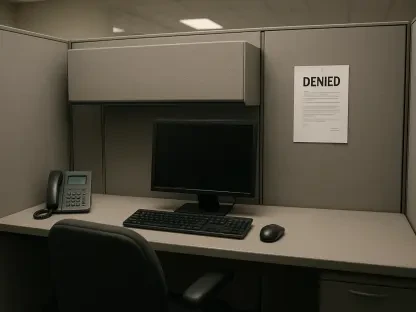

The credibility of a firm’s commitment to mental health is tested by how its infrastructure handles the persistent pressures and conflicts that define the professional experience. As the business landscape evolves toward the midpoint of the decade, many organizations find themselves caught in a

When a sudden and life-altering change strikes an employee's personal world, their primary instinct should not be to navigate a labyrinth of dense corporate jargon. Traditionally, human resources departments have relied on fifty-page handbooks to manage crises, a method that often feels sterile and

Feeling completely exhausted by the lack of genuine negotiation and corporate empathy, a retail supervisor officially resigned her position on October 15 without seeking any form of financial compensation. This definitive act followed a period of intense personal turmoil and public scrutiny

Baby Boomers are the least likely generation to use time off for sleep, with only 20% reporting the practice compared to much higher rates among younger professional cohorts. This disparity signals a fundamental transformation in how the American labor force conceptualizes the purpose of earned

This guide provides an essential roadmap for organizations to identify and rectify the structural failures causing the current burnout epidemic. By following these steps, employers can move toward a more sustainable performance model that protects their most valuable human assets. The Great

Recent research indicates that 29% of surveyed workers feel more inclined to remain with their current employer when they receive thoughtful gifts that acknowledge their specific contributions. This shift reflects a broader transformation in how corporate leadership views seasonal gestures, moving
1 2 3 4 5 6 7 8 9 10 11 12 13 14 15 16 17 18 19 20 21 22 23 24 25 26 27 28 29 30 31 32 33 34 35