

The eligibility for Microsoft’s voluntary exit offer extends to employees at the vice president level and below across the United States, Canada, India, and the United Kingdom. This sweeping initiative marks a pivotal moment in the company’s history as it navigates a monumental transition toward an

When the sparks of a welder’s torch illuminate a massive shipyard in the dead of night, they represent more than just joined steel; they are the visible pulse of a nation’s industrial ambition. Yet, in the current economic landscape, that pulse is slowing as the skilled hands required to guide

In the modern British corporate landscape, thousands of employees find themselves answering to supervisors who were promoted solely because they were excellent technicians, rather than because they possessed any demonstrated ability to lead, mentor, or inspire a diverse team. This widespread

Retail and hospitality managers must implement specific preventive measures such as improved security and visible signage to mitigate liability for customer-led abuse. That warning now sits at the center of one of the most consequential employment law shifts in Great Britain, where a phased

The intense demand for High Bandwidth Memory has transformed skilled semiconductor engineers into the most valuable currency within the global technology sector's labor market. This shift has prompted Micron Technology, the third-largest memory chipmaker globally, to pivot its strategy by launching
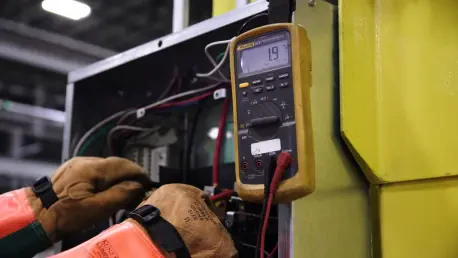
A functional Electrical Maintenance Program must include a systematic survey of all equipment to prioritize repairs based on actual condition and risk. This strategic approach acknowledges a fundamental truth in industrial environments: the moment an electrical system is energized, it begins a
1 2 3 4 5 6 7 8 9 10 11 12 13 14 15 16 17 18 19 20 21 22 23 24 25 26 27 28 29 30 31 32 33 34 35 36 37 38 39 40 41 42 43 44 45 46 47 48 49 50 51 52 53 54 55 56 57 58 59 60 61 62 63 64 65 66 67 68 69 70 71 72 73 74 75 76 77 78 79 80 81 82 83