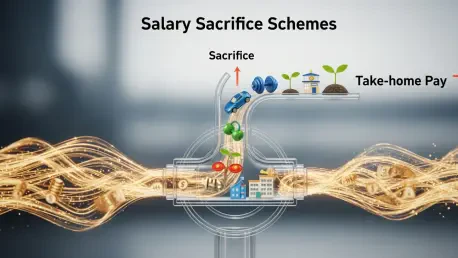

Corporate finance departments often overlook a mechanism that simultaneously lowers tax liabilities for the employer while substantially increasing the net take-home value for the average worker. While many companies struggle to find room in the budget for traditional raises, this powerful financial strategy has remained largely ignored for decades despite being a cornerstone of the modern tax code. For many employees, the term “sacrifice” sounds like a loss rather than a gain, but the reality is that these programs often function as a hidden pay raise that costs the employer nothing. In a landscape of tightening margins and rising payroll taxes, understanding the truth behind these schemes is no longer optional for leadership teams looking to stay competitive.
The mechanism operates through a simple contractual agreement where an employee gives up a portion of their gross salary in exchange for a non-cash benefit. Because the sacrifice happens before tax and National Insurance are calculated, the taxable income is lower, leading to significant savings. This strategy creates a rare win-win scenario where the organization reduces its own tax liability while the employee gains access to high-value goods or services, such as electric vehicles or advanced pension contributions, at a fraction of the retail cost.
Why Salary Sacrifice is Reclaiming the Spotlight
The current economic landscape is characterized by a difficult tug-of-war between rising operational costs for businesses and a volatile cost of living for staff. This friction has created a renewed interest in green finance and tax-efficient benefits, particularly regarding the transition to sustainable transport. Recent shifts in legislation and the accelerated move away from internal combustion engines have made salary sacrifice more relevant than ever. By bridging the gap between corporate sustainability goals and individual purchasing power, these schemes offer a strategic solution to modern human resources challenges that traditional salary increases simply cannot match.
Furthermore, the rise of environmental, social, and corporate governance (ESG) reporting requirements has pushed companies to find tangible ways to reduce their carbon footprint. Providing a pathway for employees to lease electric vehicles through gross pay deduction is one of the most effective ways to lower “Scope 3” emissions. As the infrastructure for renewable energy matures, these programs act as a catalyst for cultural change within the workforce, aligning personal lifestyle choices with broader corporate responsibility targets without requiring direct capital expenditure from the firm.
Dismantling the Core Misconceptions of Workplace Benefit Programs
One of the most persistent hurdles to adoption is the belief that implementing such a scheme creates a heavy financial and administrative burden for the organization. In reality, these programs are designed to be cost-neutral or even cost-positive because they reduce the employer’s National Insurance contributions. When an employee opts into the program, the company’s payroll tax liability drops, creating immediate savings that can be reinvested into the workforce. The perceived logistical nightmare of managing these benefits is also an outdated concern; modern third-party providers now handle the heavy lifting, from initial setup to ongoing management, allowing HR departments to focus on strategy rather than paperwork.
There is also a common assumption that employees are uninterested or that the benefits are too complex to appeal to the general population. However, research shows a massive appetite for green benefits, provided the tax advantages are clearly explained. The myth that these perks are only for high-ranking executives has been debunked by the democratization of electric vehicle benefits, which offer significant tax savings to a wide range of income levels. Even workers in mid-tier salary bands find that the reduction in their taxable income allows them to afford a vehicle that would otherwise be out of reach in the traditional consumer market.
Evidence-Based Insights into Modern Reward Structures
Data from the Department for Energy Security and Net Zero highlights a significant trend where green salary sacrifice is currently the most popular form of green finance among homeowners. Industry experts point out that the financial disparity between traditional company cars and electric vehicles is staggering. While high-emission vehicles can face Benefit-in-Kind tax rates as high as 37 percent, electric vehicles currently sit at a mere 3 percent. This massive tax gap provides a firsthand look at why these schemes are becoming essential for financial wellness. The delta between these rates effectively pays for the lease, making the “sacrifice” a misnomer for the actual value gained.
Additionally, the industry has evolved to solve the “early termination” fear, which was once a major deterrent for HR directors. New insurance-style protection products now shield companies from the costs associated with employees leaving mid-lease due to resignation or redundancy. This effectively neutralized the financial risk that once stalled adoption, as the insurance covers the gap between the car’s remaining value and the lease settlement. This layer of security ensures that the company is never left with a depreciating asset or a hefty bill if the internal workforce fluctuates.
A Strategic Framework for Successful Implementation
To successfully leverage salary sacrifice, organizations should follow a structured approach that prioritizes transparency and risk mitigation. The first step involved selecting a specialized third-party provider to automate the administrative workflow and ensure compliance with the latest tax regulations. HR teams then implemented a clear communication strategy that addressed employee concerns regarding “notional salary.” It was crucial to explain that many lenders and pension providers recognized an employee’s original salary for credit and retirement assessments, ensuring that the sacrifice did not negatively impact their long-term financial health.
Finally, businesses integrated employer protection products to cover potential lease-break fees. By treating salary sacrifice as a tool for effective pay rises through tax efficiency, companies provided high-value perks that supported both the corporate bottom line and the employee’s quality of life. This shift in perspective allowed leadership teams to view benefits as a strategic investment rather than a cost center. Moving forward, the focus shifted toward expanding these programs to include charging infrastructure and home energy solutions, ensuring that the workplace remained a hub for sustainable financial innovation. Management realized that the path to a resilient workforce was paved with tax-efficient, green-focused incentives that empowered every level of the organization.