
Introduction
The maintenance of a safe and hygienic workspace has become a primary concern for organizations as environmental hazards directly conflict with the current push for consistent physical attendance. When biological nuisances like bedbug infestations appear in high-traffic office environments, they do more than just create a health hazard; they challenge the fundamental viability of modern management strategies. This article examines the intersection of pest control crises and corporate return to office mandates, offering insights into how these incidents are handled in 2026.
Readers can expect an exploration of the logistical and psychological impacts of workplace infestations. The discussion covers the necessity of policy flexibility, the importance of transparent communication with labor unions, and the operational disparities that arise when certain staff members cannot work remotely. By analyzing recent events involving major media headquarters, this guide provides a framework for understanding how sanitation risks redefine the boundaries of the professional environment and the expectations placed upon the modern workforce.
Why Are Bedbug Outbreaks Disrupting Modern Work Policies?
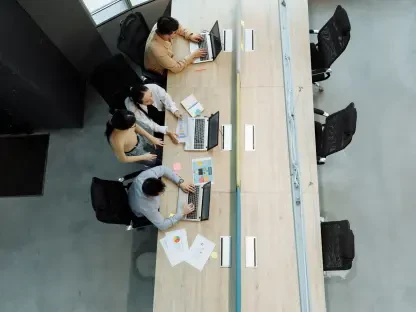
The resurgence of pests in urban office hubs has forced many organizations to reconsider the strictness of their physical attendance requirements. While many companies established mandates earlier in the decade to ensure three-day weekly office presence, these policies often lack the agility required to handle sudden sanitation emergencies. A confirmed infestation, particularly in densely populated newsrooms or production areas, creates an environment where mandatory presence becomes a liability for both employee health and company reputation.
In response to such biological threats, management teams are often forced to implement temporary waivers for their office attendance policies. This flexibility allows staff to transition to remote work while professional pest control services perform deep cleaning and heat treatments. These exceptions are critical because they prevent the workplace from becoming a primary site for community transmission, ensuring that the return to office movement does not inadvertently contribute to a broader public health crisis within the city.
How Do Cross-Contamination Risks Influence Corporate Transparency?
The primary fear regarding bedbugs in the workplace is their ability to act as proficient hitchhikers by latching onto clothing, bags, and personal belongings. This creates a high risk of cross-contamination, where employees may unknowingly transport pests from a contaminated office floor back to their private residences. Consequently, the psychological stress associated with the potential for a domestic infestation leads to significant tension between leadership and staff, demanding a higher level of corporate transparency.
When reports of sightings are delayed or suppressed, the trust between an organization and its workforce deteriorates rapidly. Labor unions often play a pivotal role in these scenarios by demanding clarity on when the first reports were made and why preventive measures were not taken sooner. Effective management requires an immediate and honest flow of information to ensure that employees can take personal precautions, such as using sealed containers for their belongings or monitoring their home environments toward the end of the work week.
What Operational Challenges Emerge for Specialized On-Site Personnel?
Even when a general work-from-home exception is granted, certain segments of the workforce remain tethered to the physical office due to technical requirements. Freelancers and specialized production staff often rely on localized hardware or proprietary software that is not accessible via standard remote connections. This creates a tiered system of risk, where those responsible for the final stages of physical production must continue to enter a potentially infested space while their colleagues remain safe at home.
This disparity necessitates specialized support and enhanced safety protocols for those who cannot vacate the premises. Management must prioritize the treatment of high-traffic production zones and provide these essential workers with the necessary resources to minimize their exposure. Addressing these operational imbalances is crucial for maintaining morale, as it ensures that the burden of a crisis is not unfairly carried by those whose roles require their physical presence during the remediation process.
Summary: Key Takeaways
The current landscape of workplace management requires a balanced approach to sanitation and policy enforcement. Recent experiences highlight that the physical safety of a building is just as important as its digital infrastructure. When infestations occur, the immediate waiving of attendance mandates serves as a necessary safety valve that protects the broader employee base. Organizations must acknowledge that pests are equal opportunity hazards that thrive wherever people congregate, making regular inspections and rapid response protocols essential for any shared workspace.
Maintaining labor relations during such a crisis depends heavily on the speed and honesty of communication. When transparency is prioritized, employees feel supported rather than exploited. Furthermore, acknowledging the unique needs of on-site staff ensures that the transition to remote work for the majority does not leave a vulnerable minority behind. These strategies form a comprehensive response that prioritizes well-being while ensuring that essential business operations continue without significant long-term disruption.
Conclusion: Final Thoughts
The recent infestation crisis demonstrated that the success of a physical office strategy was entirely dependent on the health of the environment itself. Management teams realized that rigid mandates had to give way to empathetic, flexible solutions when biological risks were present. By coordinating with pest control experts and labor representatives, organizations took the necessary steps to restore a sense of security. These actions allowed the workforce to feel valued and protected during a challenging period of environmental instability.
Moving forward, the integration of rigorous sanitation schedules into standard building maintenance became a priority for every major facility. Leadership focused on developing clear contingency plans that accounted for the diverse needs of both permanent and freelance staff. The lessons learned from these biological disruptions ensured that future return to office efforts were built on a foundation of trust and safety. This proactive stance effectively mitigated the long-term impact of the crisis on professional productivity.