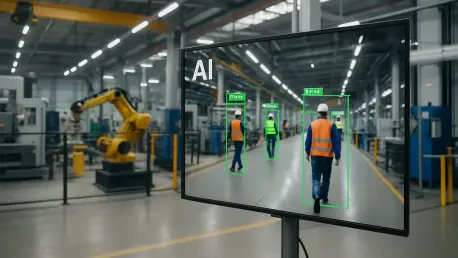

The integration of artificial intelligence into industrial environments has moved far beyond simple automation, evolving into a fundamental guardian of human life in the most hazardous sectors of the global economy, such as deep-sea drilling and heavy manufacturing. Modern industrial sites are no longer defined solely by heavy machinery and hard hats but by a complex web of interconnected sensors and intelligent algorithms designed to anticipate danger before it manifests. This transition from a reactive “accident-and-investigate” model to a proactive “predict-and-prevent” strategy represents the most significant shift in occupational health and safety since the industrial revolution. As organizations adopt high-speed edge computing and advanced neural networks, the primary objective has shifted toward creating a zero-fatality environment. However, this technological leap necessitates a simultaneous evolution in how we define worker rights and privacy. The convergence of hardware and software is creating a world where the workplace itself is aware of its occupants, constantly analyzing movements and environmental variables to ensure that every employee returns home safely at the end of their shift.
Smart Wearables and Proactive Health Monitoring
A transformative element of this modern safety landscape is the deployment of “connected” personal protective equipment, commonly referred to as smart PPE, which serves as a physiological bridge between the worker and the digital management system. Unlike the passive equipment used in previous decades, these biometric garments are embedded with sophisticated micro-sensors that continuously monitor vital signs such as heart rate, oxygen saturation, and core body temperature. In high-heat environments like steel mills or foundries, these devices can detect the early physiological markers of heat exhaustion minutes before a worker becomes symptomatic, triggering an automated cooling protocol or an immediate mandatory break. By collecting data at the individual level, these systems allow safety officers to move away from generic safety guidelines and instead implement personalized health interventions that account for a worker’s specific physical limits. This granular level of oversight ensures that the physical strain of industrial labor is managed with surgical precision, reducing the risk of sudden cardiac events or heat-related collapses on the job.
Beyond monitoring vital signs, the latest generation of smart wearables is focused on the mechanical integrity of the human body through advanced motion-tracking and ergonomic analysis. In logistics and warehousing, workers now utilize biometric shirts equipped with inertial measurement units that track the curvature of the spine and the force exerted during lifting tasks. When a worker adopts a high-risk posture, the garment provides haptic feedback, such as a subtle vibration, to encourage immediate self-correction. Over time, the aggregated data from these devices allows companies to identify specific workstations or tasks that consistently lead to musculoskeletal strain, enabling a data-driven redesign of the workspace. This shift toward “ergonomic intervention” is particularly critical for maintaining the health of an aging workforce in 2026, as it mitigates the cumulative damage of repetitive motions that often lead to chronic disability. By turning safety gear into a source of continuous professional coaching, industries are effectively extending the career longevity of their skilled laborers while drastically lowering long-term insurance and healthcare costs.
Autonomous Systems and Predictive Safety Analytics
The strategic removal of human personnel from high-risk zones through the use of autonomous robotics and specialized drones has become a cornerstone of modern safety management in 2026. In sectors such as civil engineering and urban demolition, drones equipped with LiDAR and high-definition thermal imaging are now the primary tool for structural inspections of unstable buildings or bridges. These machines can navigate confined spaces and hazardous heights that would previously have required scaffolding and human climbers, eliminating the risk of falls, which remain a leading cause of workplace fatalities. Tele-operated robots, controlled by operators using low-latency haptic gloves, allow for delicate mechanical repairs in environments contaminated by toxic chemicals or extreme pressure. This approach adheres to the most effective tier of the hierarchy of controls—elimination—by ensuring that no human life is ever placed in the path of a known hazard. The robot becomes a sacrificial proxy for the worker, possessing the durability to withstand conditions that would be lethal to a human being.
In addition to physical robotics, the application of machine learning to vast sets of historical and real-time safety data has birthed a new era of predictive analytics. Traditional safety audits were often limited by their snapshot nature, failing to account for the slow, cumulative effects of environmental toxins or noise pollution. Today, neural networks analyze decades of health records alongside real-time atmospheric data to predict the onset of occupational illnesses like silicosis or progressive hearing loss long before a clinical diagnosis is possible. In the mining industry, for example, AI models process geological data and equipment vibration patterns to forecast potential tunnel instabilities, providing early warning signs that are invisible to the human eye. This continuous, adaptive monitoring allows for a dynamic safety environment where protocols change in real-time based on the shifting risk profile of the site. By identifying these complex patterns of risk, companies can implement preventative measures that address the root causes of accidents, rather than simply reacting to their symptoms.
Ethical Challenges and the Need for Robust Governance
The rapid adoption of surveillance-capable safety technology has introduced a complex array of psychological risks that were largely absent from the traditional industrial workplace. When every movement, heart rate fluctuation, and rest period is recorded and analyzed by an algorithm, employees often report a pervasive sense of being under constant scrutiny, leading to a phenomenon known as “algorithmic stress.” This perceived loss of autonomy can paradoxically decrease safety by causing workers to rush their tasks or bypass safety protocols in an attempt to meet the efficiency metrics dictated by the monitoring system. Furthermore, there is a legitimate concern regarding the “function creep” of safety data, where information originally collected to protect a worker’s health is repurposed for performance evaluations or disciplinary actions. To prevent the erosion of trust between labor and management, it is essential that the implementation of AI tools is accompanied by clear, transparent communication regarding the scope and purpose of data collection, ensuring that safety remains the exclusive priority.
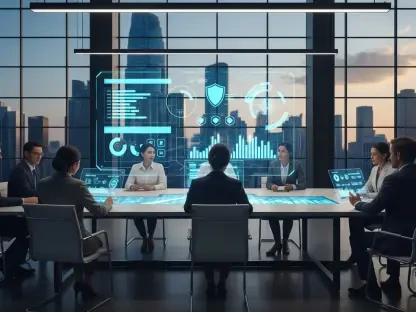
To address these emerging challenges, the regulatory landscape of 2026 required a comprehensive overhaul to ensure that technological progress did not come at the expense of human dignity. Legislators and industry leaders collaborated to establish a framework for “human-centered AI,” which prioritized the rights of the individual over the data-gathering capabilities of the machine. Robust governance models were developed to mandate that all biometric data remain anonymized and securely stored, with strict legal penalties for any unauthorized access or secondary use. Furthermore, worker consultation became a mandatory component of the deployment process, allowing employees to have a direct say in how safety technologies were integrated into their daily routines. These regulations ensured that the benefits of artificial intelligence—such as the dramatic reduction in physical injuries—were balanced with the protection of mental health and privacy. By focusing on ethical design and transparent oversight, the industrial sector successfully turned advanced technology into a tool for empowerment rather than a mechanism for total workplace control.