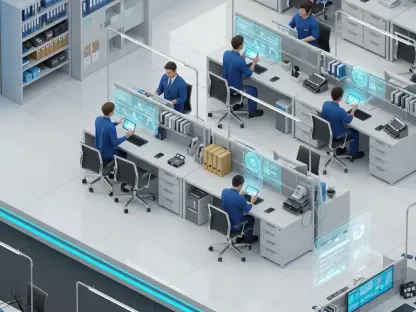

As the corporate landscape settles into its new rhythm, the once-fierce debate over return-to-office policies has evolved from a question of whether employees should return to a more complex negotiation of how their presence is structured. The era of widespread, reactive remote work experimentation is definitively over, giving way to the strategic and permanent implementation of hybrid models. This shift represents a fundamental acceptance that a blended approach is the new standard. However, the ultimate success of this new workplace paradigm will not be determined by mandates alone; it will hinge entirely on an organization’s ability to thoughtfully balance its operational objectives with the persistent and nuanced demands of its workforce for meaningful flexibility and a sustainable work-life integration. The challenge ahead lies in crafting policies that are not merely tolerated but genuinely embraced by the talent that powers modern business.
The New Hybrid Imperative
The hybrid model has cemented its position as the conclusive path forward for a majority of organizations, moving far beyond its origins as a temporary solution. The corporate conversation has advanced significantly, now centering on the logistical intricacies of when and how employees should be physically present in the office, rather than debating the merits of part-time attendance itself. This evolution indicates a broad, albeit sometimes reluctant, consensus that a blended operational structure is a strategic imperative for future success. For businesses aiming to thrive in the current climate, a well-defined hybrid policy is no longer a peripheral benefit but a core component of their organizational framework. It requires a deliberate approach to scheduling, resource allocation, and communication to ensure that both remote and in-office time are optimized for productivity and engagement, reflecting a mature understanding of modern work dynamics.
This transition toward a permanent hybrid structure demands that companies move beyond simply designating “in-office days” and instead build a comprehensive operational strategy. The focus has turned to creating a seamless experience that bridges the gap between remote and physical workspaces, ensuring equitable access to opportunities and information for all employees, regardless of their location. This involves significant investment in technology to support fluid collaboration and a reimagining of the office’s purpose as a hub for specific, high-value activities like team-building, innovation workshops, and mentorship. Organizations are increasingly recognizing that for a hybrid model to achieve its intended business goals, it must be strategically designed, thoughtfully implemented, and continuously refined based on both performance metrics and employee feedback, establishing it as a sustainable and effective long-term solution.
The Corporate Push for In-Person Connection
From the employer’s standpoint, the drive for increased in-person work has intensified over the last year, guided by several key motivations. Many companies are now utilizing office attendance as a tangible metric to gauge employee commitment and engagement, operating under the belief that physical presence correlates with a deeper investment in the company’s mission. The primary rationale championed by leadership is the need to foster stronger interpersonal connections and enhance team cohesion through spontaneous, face-to-face collaboration, which is often more difficult to replicate in a virtual environment. This perspective is reflected in the strategies of major corporations; while companies like Starbucks and Microsoft are committing to a hybrid future they see as essential for business reshaping, others such as AT&T and Paramount have signaled a more rigid stance by transitioning beyond hybrid models to a full-time in-office mandate.
Counterbalancing this corporate push is the workforce’s unwavering and deeply ingrained demand for flexibility and autonomy. Employees are largely unwilling to relinquish the control over their schedules and work environment that they gained, with work-life balance remaining the highest priority for approximately 65% of workers, second only to salary as a primary driver for seeking new employment. This demand is far more nuanced than a simple desire to work from home; it encompasses a broader spectrum of flexibility. For instance, having control over which specific days are spent in the office allows working parents to better manage complex family responsibilities, while flexible sign-in times can significantly alleviate the stress and time costs associated with daily commutes. This insistence on autonomy reflects a permanent shift in employee expectations, where the ability to integrate personal and professional lives is now considered a fundamental aspect of a desirable job.
Creating a Meaningful Office Experience
A significant gap has emerged between the flexible work arrangements employees need to thrive and what employers are currently offering. Recent workforce data reveals a notable disconnect: while 57% of employees believe that having flexible working hours would substantially improve their quality of life, only 49% are actually provided with this option. This disparity underscores that many companies have not yet fully explored the multifaceted nature of flexibility and its potential benefits. Offering employees greater control over their schedules is not merely a superficial perk but a powerful strategic tool for enhancing well-being, mitigating burnout, and accommodating the diverse personal responsibilities of a modern workforce. Closing this flexibility gap is becoming critical for attracting and retaining top talent, as employees increasingly gravitate toward organizations that demonstrate a genuine commitment to their overall welfare.
Ultimately, the long-term success of any return-to-office policy rested on the ability of companies to move beyond mandates and focus on elevating the quality of the in-office experience itself. Employee acceptance of hybrid models was conditional, contingent on the workplace being a genuinely productive, supportive, and appealing environment. This required a holistic approach, which included practical investments in better acoustics and noise management, access to outdoor spaces, thoughtful office design, and improved thermal comfort. Furthermore, organizations had to proactively address the prevalent fear of “hybrid creep”—the underlying employee concern that existing hybrid policies were merely a transitional phase toward a mandatory full-time return. Building the necessary trust demanded careful, long-term planning and transparent communication. The most successful implementations involved leveraging technology for employee convenience, prioritizing accessibility, and actively cultivating a positive work culture, which together created a hybrid setup that proved truly rewarding for both personal well-being and career advancement.