
The Critical Need for Sustainable Transitions in Manual Industries
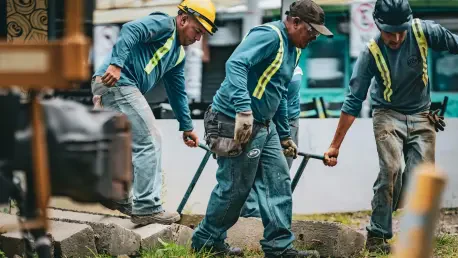
The biological reality of aging eventually clashes with the grueling demands of manual trades, creating a gap that legislation and national retirement policies often fail to address. While governments push for longer careers to sustain pension systems, the joints and muscles of a veteran mason or carpenter do not always adhere to these administrative timelines. In sectors like construction, where approximately 35% of the workforce is now over the age of fifty, the absence of a graceful exit strategy risks leaving talented individuals with permanent injuries or early, unplanned retirements.
Designing structured transitions or “off-ramps” serves as a bridge between a worker’s peak physical years and their final departure from the professional world. This approach focuses on moving beyond the binary choice of full-throttle labor or complete unemployment. By prioritizing proactive job redesign and the preservation of institutional knowledge, organizations ensure that the departure of a seasoned professional does not result in a sudden vacuum of skill and experience.
The Strategic Benefits of Implementing Career Off-Ramps
Proactive career planning is not merely a philanthropic endeavor; it is a fundamental requirement for the long-term health of any organization dependent on physical labor. When a company fails to plan for the natural aging process, it often faces sudden staffing crises when veteran workers hit a physical wall. Establishing a formal transition process allows for a controlled handoff of responsibilities that maintains continuity across projects and teams.
Enhanced Knowledge Retention
Decoupling decades of expertise from physical strain allows a company to keep its best minds in the loop without requiring them to lift heavy loads. These seasoned professionals possess a deep understanding of troubleshooting that cannot be replicated by younger recruits. Maintaining their presence through advisory roles ensures that this intellectual capital remains accessible to the entire team, preventing the loss of specialized craft techniques.
Reduced Operational Costs
The financial implications of ignoring the aging curve are significant, often manifesting as rising workers’ compensation claims and disability expenses. By identifying when a role exceeds physical capacity, businesses lower the likelihood of workplace accidents. This proactive management reduces turnover and minimizes productivity losses associated with sudden medical leaves, ultimately stabilizing the bottom line.
Increased Workforce Resilience
Building a safer environment creates a culture where employees feel valued throughout every stage of their career. This stability allows a firm to remain productive even as demographics shift toward an older population. Consequently, the organization becomes a more attractive destination for talent who value career longevity and long-term security in a volatile market.
Best Practices for Designing Effective Labor Transitions
Decoupling Experience from Strenuous Physical Output
Transitioning veteran employees from “doing” roles into advisory or training positions is one of the most effective ways to extend their professional lives. By shifting the focus from muscle to mind, a firm transforms its master craftsmen into mentors who oversee quality. This shift safeguards complex skills while eliminating the heavy lifting that leads to burnout or chronic pain.
Consider a tradesperson who moved into a quality assurance lead role after decades on site. By removing daily installation requirements, the firm utilized his eye for detail to catch errors before they became expensive mistakes. This transition preserved specialized skills and provided a dignified path toward eventual retirement without sacrificing the worker’s health.
Implementing Proactive Job Redesign and Task Rotation
Identifying musculoskeletal stress points through early occupational health assessments allows managers to intervene before chronic injury occurs. This might involve introducing mechanical aids or rotating tasks to ensure that no single worker is subjected to repetitive strain for extended periods. Such adjustments are essential for maintaining high morale and extending the career of the existing labor force.
A firm might utilize health data to modify workflows based on crew age profiles. For example, by rotating older workers into logistical coordination roles during the most physically demanding phases of a project, a company can prevent the wear and tear that leads to early exits. This proactive stance ensures that physical peaks are maintained through smarter, not harder, work.
Normalizing Career Longevity Through Cultural Shifts
HR leaders must facilitate honest, non-punitive dialogue regarding physical capacity and the aging process. Removing the stigma associated with slowing down is crucial so that employees do not hide injuries out of fear. When transparency becomes the norm, workers are more likely to participate in planning that benefits both themselves and the employer.
Standardizing career longevity check-ins for senior staff proved successful for organizations looking to plan transitions years in advance. These structured conversations allowed a firm to map out a multi-year handoff plan, ensuring that a foreman could gradually reduce site hours while training a successor. This deliberate pacing ensured a smooth transfer of authority and technical know-how.
Conclusion: Strategic Imperatives for a Resilient Workforce
Treating the physical limitations of an aging workforce as a catalyst for innovation rather than a liability provided a competitive advantage for forward-thinking firms. Managers who audited staff demographics and identified high-risk roles early implemented changes that protected the dignity of the individual. This strategic focus on career off-ramps turned the challenge of an aging demographic into an opportunity for growth and enhanced safety.
The most effective solutions moved beyond simple administrative changes to embrace a holistic view of worker productivity. Successful organizations integrated mechanical assistance and mentoring programs that allowed the labor force to evolve alongside their physical capabilities. Ultimately, the adoption of these practices ensured that the industry remained robust, proving that the most valuable assets were preserved through careful planning and human-centric design.