
Listen to the Article
94% of employees say they’d stick with an employer who invests in their growth. Still, many companies treat learning as an afterthought; something to check off, not a strategy to drive success. But as industries face pressure to adapt, reskill, and retain top talent, that mindset is starting to change. Modern learning systems are filling the gap by personalizing learning, supporting smarter workforce planning, and tying employee development directly to business goals. This article explores how these platforms reshape the workplace and why companies that put learning first maintain a competitive advantage.
Defining a Learning Management System
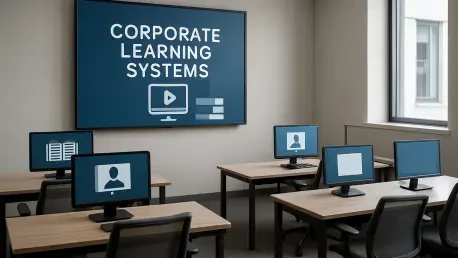
A Learning Management System is a software tool that helps organizations deliver and manage employee training more effectively. It enables teams to create, track, and optimize learning programs at scale. From onboarding and compliance to leadership development and continuous learning, this platform serves as the central hub for building and strengthening workforce skills.
Unlike traditional training, which can feel static and one-size-fits-all, modern learning systems are interactive and tailored to individual needs. They also integrate with key HR functions like performance management, career pathing, and talent analytics.
The Benefits
The value of adaptive systems goes far beyond convenience; they deliver measurable impact across the entire employee lifecycle. Organizations that leverage educational platforms effectively experience tangible, bottom-line impacts. They experience 218% higher income per staff member than companies without training programs. From boosting performance to retaining top talent, the benefits speak for themselves.
Drive Skill Development at Scale
The most immediate benefit of corporate learning systems is their ability to deliver education at scale. Instead of one-size-fits-all training, these platforms deliver targeted content tailored to each employee’s role, goals, and pace.
Whether you’re managing a team of 50 or a global workforce of 50,000, a smart learning system makes it possible to:
Launch training quickly and consistently
Align content with real-time business needs and priorities
Deliver microlearning modules that fit into the natural flow of work
This kind of flexibility is essential because when priorities shift, markets change, or new technologies are introduced, companies staff to keep pace. Learning platforms empower businesses to respond swiftly by rolling out new skills organization-wide with remarkable speed and precision.
The impact of learning systems doesn’t stop at skill-building. This kind of relevant, accessible experience also promotes employee engagement because when people grow, they stay.
Enhance Employee Engagement and Retention
Employees today crave more than a paycheck; they seek purpose, growth, and continuous learning. Corporate learning systems support this by offering:
Personalized learning journeys based on career aspirations
Gamification and social learning features that encourage participation and knowledge-sharing
Mobile-first experiences for flexibility on the go
Investing in career development keeps employees more engaged and loyal. After all, 87% of employees say growth opportunities are key to job satisfaction. These systems become tools not just for training, but for employee empowerment.
As employee satisfaction increases, so does company knowledge. This growth leads to smarter, data-driven decisions across every level of talent development.
Enable Data-Driven Decision Making
Gone are the days when HR was seen as a “soft” function. Modern leaders now rely on data to drive business results, and learning systems play a central role in that shift. According to Gitnux’s 2025 report, using strong data is twice as likely to improve recruiting efforts, and 78% of recruiters agree that it improves internal relationships.
Data-driven insights also enable organizations to:
Measure training effectiveness and ROI
Track skill gaps across departments and regions
Link learning metrics to business outcomes, including sales performance, customer service improvements
Informed decision-making allows HR leaders to proactively align development initiatives with organizational objectives. Just as importantly, it helps businesses stay on top of evolving regulations and reduce risk through consistent, trackable compliance training.
Support Compliance and Risk Management
In highly regulated industries such as finance, healthcare, and manufacturing, compliance training is non-negotiable. Learning systems streamline structured compliance efforts by:
Automatically enrolling employees in required training
Sending alerts and due-date reminders
Maintaining audit-ready records
Streamlined compliance management minimizes risk while freeing HR teams from the chaos of manual tracking. At the same time, the real strategic advantage of managing risk is that it allows time to plan for future-ready leaders.
Leadership and Succession Planning
Developing the next generation of leaders doesn’t happen overnight. It’s a long-term strategy that learning platforms are making faster, smarter, and more effective. These platforms help enterprises spot high-potential employees early and give them the structured support they need to grow.
Companies can build strong, future-ready leadership pipelines by combining e-learning, coaching, peer collaboration, and assessment tools to track progress. According to a McKinsey & Company article, businesses that invest in leadership development are 2.4 times more likely to achieve their performance targets.
By embedding succession planning directly into the learning experience, companies are better equipped to handle both planned leadership transitions and unexpected departures, without losing momentum. Even so, to truly maximize impact and planning, learning systems need to connect with the broader HR ecosystem.
Integrating with the HR Tech Stack
Modern learning platforms aren’t built to stand alone; they’re designed to plug into the tools that power your entire people strategy. By connecting with Human Capital Management suites, performance management tools, and workforce analytics platforms, learning systems create a seamless flow of data across the employee lifecycle.
This level of integration provides businesses with a clearer, more complete view of every employee journey, from first day to leadership development. It also enables more intelligent decisions and strategic alignment between learning, business goals, and talent outcomes.
But what happens when implementation doesn’t go as planned, or when the transition disrupts operations more than it improves them?
Overcoming Implementation Challenges
Despite their potential, educational systems come with growing pains. Many organizations struggle with common roadblocks, such as employee or manager resistance to change, outdated or insufficient training content, or a lack of clear alignment between learning goals and broader business priorities. These challenges can stall progress if not addressed early and strategically.
Success depends on more than just switching on new software. It requires executive buy-in, precision, alignment with business strategy, and a commitment to long-term support. Ultimately, it’s not a tech upgrade; it’s a cultural shift toward a learning-first mindset.
The Future of Learning Is Here
As business cycles shorten and technological change accelerates, the value of agile and continuous learning only grows. Delloitte research agrees that companies with strong learning cultures are 52% more productive and 92% more likely to innovate. This means educational systems are foundational to future-proofing the workforce.
Powered by advances in AI, machine learning, and adaptive learning technology, these platforms are becoming increasingly intelligent. The next generation of educational systems will recommend learning paths based on real-time performance data, automatically adjust content delivery based on engagement, and even predict future skill gaps before they appear.
Final Thoughts
Companies that overlook learning won’t just fall behind; they’ll risk losing their competitive edge entirely. The future of work belongs to organizations that can upskill fast, adapt quickly, and foster a culture of continuous learning.
But making that shift doesn’t happen by chance. It requires intention, strategy, and the right technology. Corporate learning systems are powerful engines for growth, innovation, and agility, not just administrative tools.
For leadership teams focused on long-term performance and resilience, the learning agenda should be front and center. When businesses invest in smart, scalable, and people-first learning platforms, they do more than develop talent. They shape the future of leadership.