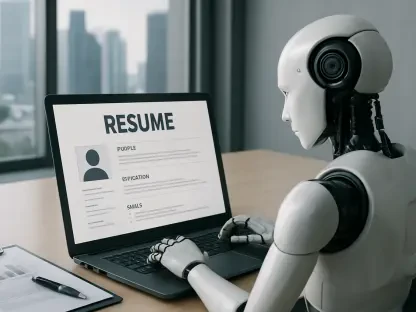

The traditional architecture of the global labor market is currently undergoing a structural realignment as autonomous systems replace the manual labor of sourcing and vetting talent. While the $650 billion staffing industry has long relied on a fragmented network of recruiters and disparate databases, the emergence of integrated intelligence platforms signals a departure from these legacy inefficiencies. This review examines how the synthesis of talent discovery and automated validation is transforming hiring from a process-driven administrative task into a precise, outcome-oriented science.
The Evolution: Intelligent Talent Acquisition
The shift toward intelligent recruitment began as a response to the “noise” inherent in massive, unstructured digital professional footprints. Early database systems required human intervention to filter through resumes, but modern AI-native platforms operate on a different principle: the autonomous synthesis of data. By shifting from reactive searches to proactive discovery, these systems can identify candidates based on their career trajectory and potential rather than just keywords, fundamentally changing how organizations interact with the global talent pool.
This transition is particularly critical because it disrupts a workflow that has remained largely unchanged for decades. Where traditional staffing agencies often struggle with inconsistent quality and high markups, AI-driven models provide a centralized ecosystem. This centralization allows for a more fluid movement of talent across both permanent and contingent roles, ensuring that companies can scale their workforces without the usual friction of human-led coordination.
Defining Core Components: The Modern Recruitment Ecosystem
Proprietary Talent Labeling: Data Synthesis
At the heart of this technological leap lies the labeling engine, a sophisticated tool that converts raw, unstructured data into actionable hiring intelligence. Unlike basic search algorithms, these engines apply multi-dimensional labels to candidates, capturing nuances such as “innovation leadership” or “growth-stage experience.” This matters because it allows hiring managers to look beyond a job title and understand the actual impact a candidate had in previous roles, providing a level of granular insight that manual screening cannot achieve.
This implementation is unique because it moves the focus from “what is on the page” to “what the data implies.” By aggregating data from diverse sources, the platform creates a holistic view of a candidate’s professional identity. Consequently, the discovery phase becomes less about finding anyone who fits and more about identifying the specific individual whose verified history aligns with the strategic goals of the enterprise.
Autonomous Skill Validation: Identity Verification
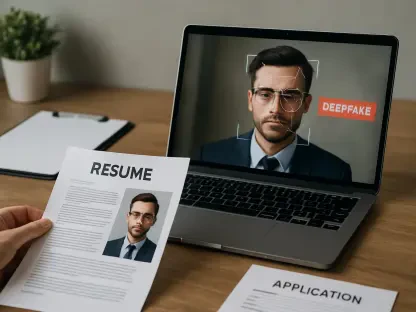
The most significant bottleneck in recruitment has always been the “trust gap”—the uncertainty regarding whether a candidate’s claimed skills match their actual competence. AI-driven interview tools and skill assessments solve this by introducing autonomous verification early in the pipeline. By the time a candidate reaches a human recruiter, their technical abilities and identity have already been rigorously tested through simulated environments and AI-monitored interactions.
This verification layer is a critical differentiator compared to standard application tracking systems. While competitors might focus only on discovery, the integration of real-time assessment tools ensures that “hire-ready” status is a prerequisite, not an afterthought. This reduces the risk of hiring fraud and significantly shortens the time-to-hire by eliminating the need for multiple rounds of redundant technical screening.
Emerging Trends: Strategic Shifts in HR Tech
A major trend currently reshaping the industry is the move toward outcome-aligned pricing models. Historically, software-as-a-service (SaaS) in HR was sold through seat licenses or subscriptions, regardless of the quality of the hires produced. However, the market is now pivoting toward models where costs are tied directly to successful placements. This alignment of incentives forces technology providers to prioritize the accuracy and durability of their AI models over mere user engagement.
Moreover, we are seeing a massive consolidation of tools. The previous era of HR tech was defined by “point solutions”—one tool for sourcing, another for testing, and a third for background checks. The modern approach integrates these into a unified workflow. This consolidation reduces technical debt for enterprises and provides a seamless narrative for the candidate, who no longer has to jump between five different platforms to complete an application.
Real-World Applications: Industry Implementation
In practice, global staffing firms and large enterprises are utilizing these platforms to manage both permanent employees and contingent workers within a single interface. This unified management is a game-changer for large-scale operations that previously managed these two groups in separate silos. By streamlining the pipeline, organizations have reported a substantial decrease in supplier overhead, allowing them to bypass traditional middle-man agencies that often add cost without adding equivalent value.
The implementation of “hire-ready” pipelines means that the traditional recruitment cycle—which could take months—is being compressed into weeks or even days. Organizations can now maintain a “warm” pool of pre-verified talent that can be deployed the moment a project is greenlit. This agility is no longer a luxury but a necessity for companies operating in fast-moving sectors where human capital is the primary competitive advantage.
Addressing Technical Challenges: Implementation Obstacles
Despite the technological sophistication, several hurdles remain, particularly concerning data accuracy and the persistence of legacy networks. AI models are only as good as the data they ingest; if the underlying records are outdated or biased, the “intelligent” sourcing can perpetuate the same hiring mistakes of the past. Continuous refinement of these models is necessary to ensure that autonomous assessments remain objective and that identity security remains airtight against increasingly complex digital threats.
Furthermore, integrating these advanced platforms with existing, antiquated HR software can be a logistical nightmare for large corporations. The complexity of migrating decades of employee data into a new, AI-led system often leads to resistance within internal IT departments. Overcoming these obstacles requires a balance of technical prowess and organizational change management to ensure the AI actually improves the workflow rather than creating a new layer of friction.
Future Outlook: Long-Term Impact on Labor Markets
The trajectory of this technology points toward a future where talent pipelines are almost entirely automated, allowing human recruiters to focus on the “human” element of hiring—culture fit and long-term career coaching. As AI assumes the burden of sourcing and verification, the economics of the workforce will likely shift toward greater transparency. Workers will be valued based on verified competence rather than networking ability, potentially leveling the playing field for underrepresented talent.
This shift will likely result in a more efficient global labor market where the supply of skills meets demand with surgical precision. While this might reduce the total number of administrative recruitment roles, it will increase the strategic importance of the talent acquisition function. The ability to manage and interpret AI-driven hiring data will become a core competency for future business leaders, moving HR from a cost center to a primary driver of organizational value.
Conclusion: Strategic Assessment
The integration of talent discovery and validation technologies has fundamentally changed the recruitment landscape by replacing fragmented workflows with a cohesive, data-backed system. This transition moved beyond simple automation, establishing a new standard where “hire-ready” status is verified autonomously before human intervention occurs. The shift toward outcome-oriented models proved that AI could provide a scalable and transparent alternative to traditional staffing methods. Moving forward, the industry was compelled to prioritize data integrity and ethical AI training to maintain the trust of both employers and candidates. Ultimately, the successful deployment of these platforms redefined the role of the recruiter as a strategic advisor rather than a data processor, creating a more meritocratic and efficient global market for professional talent.