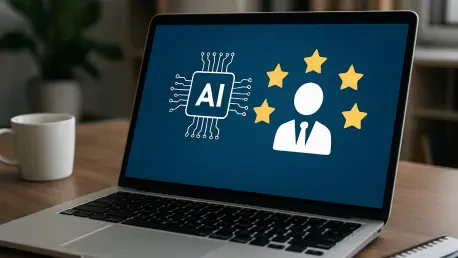

The traditional approach to employee recognition, often an afterthought in a manager’s busy schedule, is being fundamentally reshaped by artificial intelligence that anticipates needs rather than merely responding to commands. The emergence of proactive artificial intelligence represents a significant advancement in the Human Resources technology sector. This review will explore the evolution of this technology, its key features, performance metrics, and the impact it has on employee engagement and management. The purpose of this review is to provide a thorough understanding of the technology, its current capabilities, and its potential future development.
The Dawn of Proactive AI in HR Technology
A new generation of AI assistants is shifting the paradigm within human resources technology from reactive tools to proactive decision-support systems. Unlike their predecessors that relied on specific user prompts, these intelligent systems are designed to operate continuously in the background, analyzing organizational data to anticipate needs and suggest actions. This evolution marks a critical step toward embedding AI as a foundational productivity infrastructure in the modern workplace, much like email or collaborative software.
This transition reflects a broader understanding that the central question is no longer whether to adopt AI, but how to leverage it to empower employees and leaders effectively. By moving beyond simple automation, these proactive systems aim to augment human capabilities, particularly in areas requiring consistency and timely intervention. The goal is to create a seamless integration where technology supports and enhances the human elements of management, rather than attempting to replace them.
Core Features of the AI Recognition Assistant
Proactive and Data Driven Recognition Triggers
A defining feature of this technology is its ability to continuously analyze key organizational signals to identify opportune moments for recognition. The system monitors data points such as work anniversaries, project milestones, and notable performance highlights, functioning as a vigilant assistant for managers. By identifying these opportunities in real-time, it transforms employee recognition from an infrequent, often sporadic initiative into a consistent, data-informed leadership practice.
This automated monitoring ensures that significant contributions and milestones do not go unnoticed, which is a common challenge in large or fast-paced organizations. The system’s alerts and suggestions serve as structured nudges, helping to cultivate a leadership reflex centered on appreciation. Consequently, this consistency helps build a stronger culture of recognition, where employees feel their efforts are regularly seen and valued by the organization.
A Personalized Recommendation and Drafting Engine
Beyond identifying opportunities, the AI assistant excels at generating personalized recognition recommendations and drafting tailored messages for managers. The system leverages data on an employee’s role, contributions, and past achievements to craft messages that are specific and meaningful. This function is measured by its capacity to significantly reduce the time and cognitive load on managers, who might otherwise struggle to find the right words or make time for drafting thoughtful notes.
The significance of this feature extends to promoting fairness and consistency across the organization. By providing a baseline of high-quality, personalized drafts, the AI helps ensure that all employees receive a similar standard of recognition, regardless of their manager’s individual style or workload. This standardized yet personal approach reinforces the integrity of recognition programs and helps mitigate unconscious bias in how appreciation is distributed.
A Human-Centered Co-Pilot Design
Central to the technology’s design is the human-in-the-loop principle, which positions the AI as a “co-pilot” for managers. This approach empowers leaders with data-driven insights and suggestions without overriding their professional judgment or personal touch. The system amplifies human intent by handling the preliminary work of identifying and drafting, but the final decision to send, edit, or discard a recognition message rests entirely with the human leader.
This co-pilot model is crucial for maintaining the authenticity of employee recognition. Appreciation is most effective when it is perceived as genuine, and this design ensures that the human connection remains at the forefront of the interaction. By augmenting rather than automating the act of recognition, the technology helps managers be more effective and present in their roles, reinforcing that the system is a tool to support leadership, not supplant it.
Emerging Trends From Reactive Tools to Anticipatory Agents
The latest developments in HR technology reflect a strategic pivot from reactive tools to proactive, anticipatory agents that recommend actions. This trend, a major theme at CES this year, signals a maturation of AI applications, where systems are no longer passive instruments waiting for a command but active partners in daily operations. This shift is driving the technology’s trajectory toward becoming an embedded productivity infrastructure that supports real-time decision-making.
This evolution is fundamentally changing how organizations approach management tasks. Instead of managers having to remember key dates or manually track project successes, the AI agent anticipates these events and proactively delivers actionable insights. This anticipatory capability is what allows technology to move from a peripheral tool to a core component of the management workflow, streamlining processes and enhancing leadership effectiveness.
Practical Applications and Organizational Impact
Across various industries, AI-powered recognition systems are being deployed to boost engagement, productivity, and retention. In practice, the technology transforms recognition from an abstract corporate value into a structured leadership behavior. For example, a manager in a fast-paced tech firm receives a notification that a team member has just closed a critical bug fix ahead of schedule, complete with a drafted message highlighting the specific achievement and its impact.
This automation frees up significant time for managers, allowing them to redirect their focus toward high-value human interactions like strategic coaching, mentorship, and talent development. By handling the logistical and repetitive aspects of recognition, the AI enables leaders to invest their energy where it matters most: fostering growth and building strong interpersonal relationships within their teams. This reallocation of managerial time is a key driver of the technology’s positive organizational impact.
Governance Ethics and Overcoming Adoption Hurdles
Despite its potential, the technology faces significant challenges, including technical hurdles related to data privacy and market obstacles centered on fostering trust in AI. For these systems to be effective, they must be built on a foundation of responsible governance that protects sensitive employee information and ensures algorithmic transparency.
To mitigate these risks, leading platforms are establishing robust governance protocols aligned with international best practices. These measures include ensuring that AI-driven recommendations are explainable, auditable, and can be calibrated to employee preferences for privacy. Furthermore, the formation of independent external advisory committees, composed of experts in technology, HR, and social sciences, is becoming a crucial step in overseeing algorithmic impact and ensuring that these powerful tools are deployed ethically and responsibly.
The Future of AI in Employee Management
Looking ahead, this technology is poised to become even more integrated into the fabric of employee management. Future breakthroughs may include more sophisticated predictive analytics that identify potential disengagement risks or highlight emerging leaders based on subtle patterns of contribution and collaboration. The long-term impact on company culture could be profound, fostering environments where recognition is not just a program but an intrinsic part of daily operations.
Ultimately, the potential for AI in this domain lies in its ability to help organizations close critical productivity gaps. By achieving measurable gains in employee engagement, leadership effectiveness, and overall sense of belonging, these systems can deliver a tangible return on investment. The continued evolution of proactive AI promises to strengthen the human dimension of work, making workplaces more appreciative, connected, and productive.
Final Assessment and Key Takeaways
This review of AI-powered employee recognition found the technology to be a powerful organizational accelerator. Its core strength lay in its ability to transform recognition from a sporadic event into a consistent leadership practice by leveraging proactive, data-driven triggers. The human-centered “co-pilot” design ensured that managerial judgment remained central, preserving the authenticity of human interaction.
The system’s practical applications demonstrated a clear impact on freeing up managers to focus on higher-value tasks like coaching and development. While adoption hurdles related to governance and trust remained, robust ethical frameworks and transparent protocols provided a viable path forward. The technology’s trajectory suggested a future where it would become an indispensable part of strengthening company culture, engagement, and the fundamental human dimension of work.