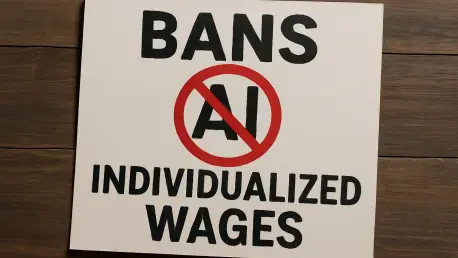

The clandestine practice of utilizing opaque algorithms to determine the exact value of human labor has finally collided with the legislative boundaries of the Centennial State. Colorado is currently at the center of a national debate regarding the limits of artificial intelligence in the workplace. A landmark bill passed by the state legislature aims to prevent employers from using AI and intrusive surveillance data to dictate individualized wages. This move represents a significant effort to preserve the integrity of the labor market in an era where data harvesting has become a standard corporate practice. By examining the intersection of worker rights and emerging technology, this analysis explores how the legislation seeks to prevent “algorithmic low-balling” and what it means for the future of employment and consumer privacy. The core provisions indicate a desire to stabilize compensation models against the volatility of predictive analytics.
The Evolution of Labor Rights in the Age of Big Data
The current legislative push in Colorado does not exist in a vacuum; it is the latest chapter in a long history of labor protections evolving to meet technological shifts. Traditionally, labor laws focused on physical safety, fair hours, and collective bargaining. However, as the digital economy matured, the weaponization of personal data emerged as a new threat to worker autonomy. Past developments, such as the rise of the gig economy and the widespread adoption of performance-tracking software, allowed companies to gather unprecedented amounts of information on their workforce. This bill serves as a foundational response to these shifts, signaling that the same data-harvesting techniques used to target consumers are now being used to manipulate worker compensation. Understanding this context is vital, as it highlights why lawmakers view AI-driven wage setting as a fundamental shift away from transparent, market-based pay.
Navigating the Complexities of Algorithmic Wage Regulation
The Ethical DilemmWeaponized Personal Data
At the heart of the bill is the concern that corporations are using surveillance data—ranging from online browsing history to financial habits—to determine the absolute minimum a person might be willing to accept for a job. Supporters argue that this practice effectively strips workers of their bargaining power. When an algorithm knows a candidate’s debt levels or personal affiliations, it can generate a salary offer that exploits those vulnerabilities rather than reflecting the value of the work performed. This critical aspect of the discussion centers on fairness; if an employer uses private data to gain an unfair advantage in negotiations, it undermines the principles of a competitive and transparent labor market.
Industry Pushback: The Risk of Regulatory Overreach
While the bill seeks to protect workers, it has faced stiff opposition from major trade groups, including chambers of commerce and technology advocates. These organizations argue that the legislation’s language is so broad that it could unintentionally cripple essential business tools. For instance, modern human resources software often relies on performance analytics and automated scheduling to maintain efficiency. Critics worry that by banning statistical modeling and data analytics in the context of compensation, the state may inadvertently block systems that help small businesses remain competitive. This tension illustrates a classic challenge in tech regulation: how to curb specific abuses without stifling the innovations that drive economic growth and operational clarity.
Expanding Protections: From the Workplace to the Marketplace
The bill’s reach extends beyond the office, incorporating protections for consumers by banning individualized pricing based on similar surveillance data. This dual-purpose approach addresses a growing concern that AI could lead to price discrimination in everyday commerce. By classifying violations as deceptive trade practices under the state consumer protection act, the state empowers the attorney general to enforce these rules with significant authority. This move aligns with a recent history of aggressive AI oversight regarding reasonable care against algorithmic discrimination. However, these regional efforts often clash with the global nature of tech companies, creating a complex landscape where local laws must navigate the realities of international data flows.
The Shifting Landscape: Automated Workplace Governance
The future of the American workforce is increasingly defined by the tension between automation and human-centric policy. As Colorado sets this precedent, other states are likely to follow suit, potentially creating a patchwork of regulations that could eventually force a federal standard for AI transparency. We are seeing a shift toward defensive AI legislation, where the focus is not just on what AI can do, but on what it should be forbidden from doing in sensitive socio-economic areas. Experts predict that the coming years will see an increase in algorithmic audits, where companies must prove that their software does not harbor biases or exploit private consumer data. This regulatory shift will likely encourage the development of ethical AI frameworks that prioritize transparency over the black box logic currently used by many proprietary algorithms.
Strategic Considerations: Guidance for Businesses and Employees
For businesses operating in or with Colorado, the potential enactment of this bill necessitates a proactive approach to compliance and data management. Organizations should begin auditing their HR and recruitment software to ensure that compensation models are based on objective job criteria rather than peripheral personal data. Best practices now involve moving toward standardized pay scales and transparent salary ranges, which not only ensures legal compliance but also builds trust with prospective talent. For professionals and consumers, this legislation serves as a reminder of the value of their digital footprint. Individuals should remain vigilant about how their data is shared and used, recognizing that their private online behavior could have tangible financial consequences in a world where algorithms hold the power to set prices and wages.
A New Standard: Digital Labor Equity in Review
The enactment of this legislation signaled a major shift in how the state approached the intersection of commerce and technology. Stakeholders realized that the previous model of unbridled data collection created liabilities that outweighed the short-term gains of efficiency. Businesses that successfully transitioned to transparent pay structures avoided the legal pitfalls associated with non-compliance. Consumers took greater control over their digital identities, demanding that service providers treat their personal data with respect. The framework established by the bill provided a blueprint for how other jurisdictions balanced automation with human dignity. Organizations found that conducting regular internal audits of algorithmic tools prevented discriminatory outcomes. Professionals discovered that monitoring their digital footprint became a necessary component of career management. These actions collectively established a new standard for equitable digital governance.