
A fundamental shift in the British labor market has arrived, dismantling a decades-old system that often penalized employees for falling ill. The long-standing ‘waiting day’ rule, which required employees to endure three unpaid days of sickness before receiving support, has been officially abolished. This is not a minor adjustment but a complete overhaul of Statutory Sick Pay (SSP), ushering in a ‘day-one’ right to payment that fundamentally alters payroll processing and compensation strategies for every employer in the United Kingdom. As of January, the countdown to this new era of employee rights has concluded, and businesses must now operate within this transformed legislative landscape. The reforms, enacted through the new Employment Rights Act, represent one of the most significant expansions of worker protections in recent memory, extending a critical financial safety net to millions and demanding immediate adaptation from payroll and human resources departments nationwide.
1. Unpacking the New Statutory Sick Pay Framework
The core of the recent legislative changes lies in the complete elimination of the three-day waiting period, a historical barrier that often compelled individuals to work while unwell to avoid financial hardship. Under the updated Employment Rights Act, SSP is now payable from the very first day an employee is certified as unable to work due to illness. This change redefines the nature of sick pay from a delayed benefit to an immediate entitlement, reflecting a broader governmental push towards prioritizing public health and worker dignity. By removing the financial disincentive for taking necessary recovery time, the reforms aim to reduce workplace transmission of illnesses and foster a healthier, more productive workforce. This move fundamentally alters the traditional understanding of SSP, requiring employers to recalibrate their absence management policies and payroll systems to accommodate immediate payment obligations for even single-day absences, a scenario previously not covered by the statutory scheme. The shift is not merely procedural but philosophical, positioning employee well-being as a primary concern from the outset of any illness.
Another cornerstone of the reform is the abolition of the Lower Earnings Limit (LEL), which previously disqualified anyone earning less than £123 per week from receiving any Statutory Sick Pay. This threshold effectively excluded a substantial segment of the workforce, particularly those in part-time, gig economy, or low-wage roles, leaving them without any state-mandated support during periods of illness. By removing this barrier, the new legislation brings an estimated 1.3 million additional workers into the SSP safety net, addressing a significant gap in social protection. This expansion is a deliberate effort to combat income inequality and ensure that financial vulnerability does not force the lowest-paid employees to choose between their health and their income. For businesses, this means that the pool of eligible employees for SSP has grown considerably, necessitating a comprehensive review of employee records to ensure all newly eligible staff are correctly identified and that payroll systems are prepared to process their entitlements accurately from day one. This inclusivity marks a major step toward a more equitable system of employee support across the UK.
2. The Financial and Administrative Ripple Effect on Businesses
While the reforms are a clear victory for employee rights, they introduce significant financial and administrative burdens for the private sector. A critical aspect of the new framework is that the expanded SSP remains a direct cost to employers, as they cannot reclaim these expenditures from the government. This effectively transforms sick pay into a direct tax on payroll, requiring businesses to absorb the full financial impact of employee absences. To mitigate the impact on employers hiring lower-paid workers, the legislation introduces a specific ‘taper’ for those earning below the old LEL threshold. Instead of receiving the full flat rate, these employees will now be paid the lower of either 80% of their average weekly earnings or the standard SSP cap. This tiered system, while intended to be fairer, introduces a new layer of complexity to payroll calculations. Companies can no longer rely on a simple, flat-rate payment structure; their systems must now be capable of calculating percentage-based rates for every staff member, dynamically adjusting payments based on individual earning patterns, and adding a new level of required precision to payroll administration.
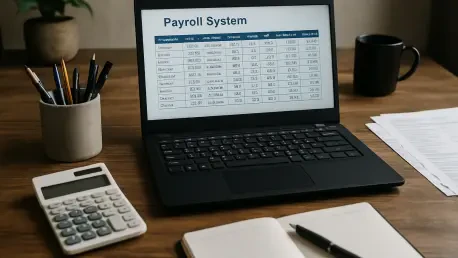
The operational challenges extend deep into the technological infrastructure of a business, as many legacy payroll systems are ill-equipped to handle the nuances of the new SSP rules. The shift from a straightforward waiting period and flat-rate system to an immediate, percentage-based calculation requires sophisticated software capabilities. Employers must conduct urgent audits of their current payroll software to verify its compliance with the reforms. For many, this will mean applying critical software patches or, in some cases, undertaking a complete system upgrade to avoid significant compliance risks. Failure to accurately calculate and pay the correct SSP entitlement can lead to employee disputes, financial penalties, and potential legal action. Beyond the technology, this transition demands a significant investment in training for HR and payroll staff to ensure they fully understand the new regulations, from identifying newly eligible employees to correctly applying the taper mechanism. This administrative overhaul is as crucial as the financial budgeting, representing a fundamental change in the day-to-day management of employee compensation and absence.
3. Navigating the Post-Reform Landscape
The successful integration of these sick pay reforms hinged on proactive preparation and strategic adaptation by businesses. The companies that experienced a seamless transition were those that had audited their absence management policies and updated all employment contracts well in advance to reflect the new SSP guidelines. They recognized that the elimination of the waiting period would likely increase short-term absence rates, as the financial penalty for taking a single recovery day vanished. Accordingly, they had budgeted for a projected 5-10% increase in annual sick pay expenditures, safeguarding their financial stability. Furthermore, these forward-thinking organizations had ensured their payroll software was patched and fully capable of handling the more complex, percentage-based calculations required for lower earners. This preparation demonstrated that while the reforms promised a healthier and more loyal workforce, they also demanded a leaner and more efficient approach to human capital management. The legislative changes ultimately served as a litmus test for corporate agility, rewarding those who were prepared and penalizing those who failed to adapt to the new regulatory environment.