
Sofia Khaira is a distinguished specialist in diversity, equity, and inclusion, renowned for her ability to align talent management strategies with cutting-edge HR technology. As an expert who drives initiatives for equitable work environments, she offers a unique perspective on how workforce intelligence can be humanized and integrated into the daily lives of employees. Today, we explore the evolution of the Paychex WISE platform and its strategic expansion into the Microsoft 365 ecosystem. Our conversation explores the shift toward “channel-agnostic” HR tools, the practical benefits of having AI-driven compliance and payroll insights within collaboration apps, and the ways in which removing technical friction can empower small and medium-sized enterprises to thrive.
How does embedding workforce intelligence directly into tools like Microsoft Teams change the day-to-day experience for HR managers who are used to switching between multiple systems?
Moving HR tasks into the “flow of work” removes the jarring transition of constantly toggling between different browser tabs and complex software suites. When a manager can stay within Microsoft Teams to approve a time-off request or check benefits utilization, it preserves their mental momentum and reduces the fatigue associated with “context switching.” This integration means that instead of hunting for data in a siloed HCM platform, the insights come to where the conversation is already happening. It transforms HR from a destination you have to visit into a supportive layer that sits beneath every interaction, making the management of human capital feel as natural as sending a chat message to a colleague.
Given the recent launch of WISE within Microsoft 365 Copilot, what specific types of real-time insights or proactive guidance do you believe will have the most significant impact on business operations?
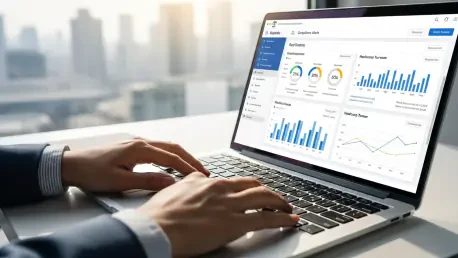
The most impactful feature is the ability to receive proactive guidance on compliance deadlines and policy changes without having to manually set reminders or audit legal updates. For example, WISE can alert a business owner about upcoming open enrollment periods or critical compliance dates right as they are planning their week in their productivity tools. Accessing real-time data on headcount and turnover allows leaders to make “gut-check” decisions backed by actual numbers, such as viewing benefits utilization trends during a strategy meeting. This immediate accessibility turns abstract data into a tangible tool that leaders can use to navigate the complexities of running a small or medium enterprise with much more confidence and precision.
Paychex has described their strategy as being “channel-agnostic.” How do you see this approach of expanding HCM capabilities across various digital workflows influencing the future of the HR tech industry?
The “channel-agnostic” approach represents a fundamental shift in how we perceive the boundaries of HR technology, moving away from the idea of a closed-loop system. By making WISE available across platforms like SurePayroll, Paychex Flex, and eventually other technology partners, Paychex is signaling that the value lies in the data and expertise, not the specific container it lives in. This strategy reduces friction for the end-user, as they are no longer forced to adapt to a vendor’s specific interface but can instead bring the vendor’s intelligence into their preferred environment. In the long run, this will likely force the entire industry to prioritize interoperability and open ecosystems, ensuring that HR insights are accessible wherever a business decision is being made.
What is your forecast for the future of AI-driven workforce intelligence as it becomes more deeply embedded in everyday collaboration tools?
I believe we are heading toward a future where “invisible HR” becomes the standard, where the administrative burden of people management is almost entirely automated by autonomous actions. We will see AI engines like WISE not just providing data, but predicting workforce needs before they arise, such as suggesting a shift in hiring strategy when turnover patterns start to fluctuate in real-time. The emotional relief for HR professionals will be immense as they move away from being “data entry clerks” and back toward being “people strategists.” Ultimately, the technology will bridge the gap between complex payroll data and human-centric leadership, making work environments more responsive to the needs of every individual employee.