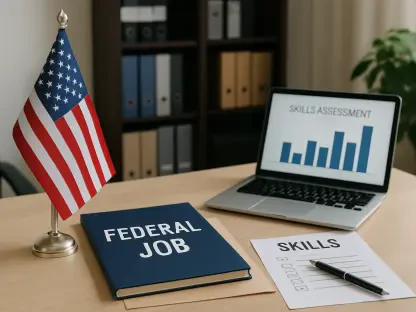

The foundational strength of the United States has long been measured by its military might and economic output, yet a growing internal vulnerability in its workforce now poses a more insidious threat to its global standing. A significant and widening skills gap is undermining the nation’s capacity to innovate, build, and defend itself. This is not a distant problem but a present-day crisis unfolding across the industries most essential to economic resilience and security, signaling an urgent need for a cohesive national response.
The Unseen Battlefield Americas Human Capital Crisis
National security is no longer confined to traditional military domains; it is deeply intertwined with a nation’s ability to lead in technological advancement and maintain a robust industrial base. A skilled and adaptable workforce serves as the first line of defense in this modern era, driving the innovation required to stay ahead of global competitors and adversaries. Without qualified talent to design, build, and secure critical infrastructure, the country’s competitive advantage erodes.
The talent deficit is particularly acute in sectors that form the bedrock of national power. Advanced manufacturing, which is vital for supply chain integrity, faces a severe worker shortage. Cybersecurity, the shield against digital warfare and espionage, is hampered by a lack of trained professionals. Furthermore, progress in artificial intelligence and sustainable energy, two fields that will define the next century of global influence, is being throttled by the inability to find and train people with the necessary expertise.
Alarming Trends and Future Projections
Widening Gaps in Americas Most Critical Sectors
The current state of the American workforce reveals a troubling disconnect between available jobs and qualified candidates. An estimated three-quarters of all companies report significant difficulty finding the talent they need to fill open positions, a statistic that points to systemic friction in the labor market. This challenge is not isolated to a few specialized fields but represents a widespread drag on productivity and growth across the economy.
Compounding this issue is a pervasive digital skills divide. Approximately 40% of adults lack the foundational digital competencies required to thrive in a modern workplace, leaving a substantial portion of the population unprepared for the jobs of today, let alone tomorrow. As emerging technologies like automation and AI continue to reshape industries, this chasm between workforce capabilities and employer needs is set to widen, creating an even greater barrier to economic mobility and national competitiveness.
A Looming Deficit Data and Economic Forecasts
Looking ahead, the projections are stark. The demand for a technology-proficient workforce is expected to expand at twice the rate of the overall labor market, creating an urgent need for accelerated training and education. This rapid growth in demand without a corresponding increase in supply threatens to leave critical roles unfilled, directly impacting the country’s capacity for innovation and defense.
Specific industries offer a clear view of the impending crisis. The manufacturing sector, for instance, will need to fill an estimated 3.8 million new roles by 2033, yet nearly half of these positions are at risk of remaining vacant due to a lack of skilled applicants. Similarly, the energy sector must increase its apprenticeship programs by 44% just to meet current demand for skilled technicians and engineers, highlighting how insufficient training pipelines are creating bottlenecks in vital areas.
The Root of the Crisis Systemic Barriers to a Skilled Workforce
At the heart of America’s talent shortage lies a series of systemic challenges that have been years in the making. The primary issue is the existence of inadequate and outdated training pipelines that fail to prepare individuals for the realities of the modern economy. Many educational and vocational programs have not kept pace with the rapid evolution of technology and industry standards, resulting in graduates who lack the practical skills employers desperately need.
This problem is exacerbated by a fundamental disconnect between the outputs of the education system and the dynamic needs of high-demand sectors. A curriculum that prioritizes theoretical knowledge over hands-on, work-based learning leaves a gap that businesses are struggling to fill. To overcome these obstacles, a strategic shift toward upskilling and reskilling the existing workforce is essential. By investing in continuous learning and targeted training, the nation can adapt its human capital to meet contemporary challenges.
A Blueprint for Action Proposed Policy and Partnership Solutions
Strengthening the National Talent Pipeline at the Federal Level
Addressing the skills gap requires decisive federal action aimed at modernizing the national talent pipeline. Policymakers should focus on scaling proven models like registered apprenticeships and promoting employer-led training initiatives that provide workers with both income and in-demand skills. Federal funding can incentivize companies to invest in their employees, creating a more dynamic and responsive workforce.
Success, however, depends on more than just funding; it requires a concerted effort to foster robust public-private partnerships. By aligning the goals of government, industry, and educational institutions, these collaborations can ensure that training programs are directly tied to real-world market needs. Targeted federal initiatives must also be implemented to close the national digital skills divide, ensuring that all Americans have the opportunity to participate in the digital economy.
Empowering States to Bridge the Skills Gap
While federal policy can set a national direction, states are uniquely positioned to implement tailored solutions that address local economic conditions. State-level policies should prioritize increasing access to work-based learning opportunities, such as internships and co-op programs, which provide students and workers with invaluable hands-on experience. These programs serve as a critical bridge between classroom instruction and professional application.
To maximize impact, states must actively leverage partnerships with local employers to design and execute training programs that are responsive to regional industry demands. This localized approach ensures that resources are directed efficiently. Furthermore, implementing data-driven decision-making processes allows state leaders to accurately identify emerging skill gaps, track program outcomes, and allocate funding where it is most needed to build a resilient and competitive workforce.
The Collaborative Imperative A Unified Path Forward
The future landscape of workforce development is contingent upon unprecedented collaboration across sectors. No single entity—be it government, industry, or academia—can solve the talent crisis alone. A unified path forward requires a shared commitment to building a system that is agile, inclusive, and aligned with the economic and security imperatives of the 21st century.
This collaborative imperative places a premium on partnerships between employers, policymakers, educators, and community leaders. Employers must be involved in curriculum design, policymakers must create supportive regulatory environments, and educators must be open to innovative instructional models. Research confirms the effectiveness of this approach, showing that workforce programs funded through both public and private investment are highly successful at building the transferable, in-demand skills that workers and employers need.
Securing Americas Future A Call for a National Workforce Strategy
The persistent shortage of skilled talent stands as one of the most significant, yet underappreciated, threats to U.S. national and economic security. This deficit compromises the nation’s ability to maintain its industrial base, innovate at a competitive pace, and safeguard its digital and physical infrastructure. The consequences of inaction are not merely economic; they are strategic, with long-term implications for global leadership.
What is required is a coordinated, long-term national workforce strategy that treats talent development as a critical component of national security. This strategy must be comprehensive, integrating the efforts of federal, state, and local partners with the insights and investments of private industry. The time for piecemeal solutions is over. An immediate and sustained investment in America’s human capital is not just an economic priority but a foundational requirement for securing the nation’s future.