
A once-reliable engine of corporate growth and innovation, the American workforce is signaling a quiet but persistent system failure through a notable decline in employee engagement. This downturn is not a fleeting trend but a sustained erosion of the connection between employees and their work, a development that carries significant implications for national productivity and organizational health. The data paints a clear picture of a workforce in flux, where the gains made over a decade are now at risk of being completely undone.
The Engagement Crisis A Snapshot of the Modern American Workplace
The post-pandemic era has been defined by a steady downward spiral in U.S. worker engagement, moving away from a peak achieved in 2020. This decline represents more than just a statistical dip; it reflects a fundamental shift in the workplace atmosphere, where the enthusiasm and commitment that fuel exceptional performance are becoming increasingly scarce. This trend suggests a growing disconnect between what employees need and what employers are providing.
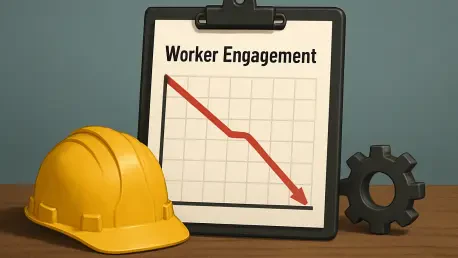
At the heart of this crisis is a stark numerical reality. The percentage of actively engaged American workers has fallen from 36% to 31% over a five-year period. This five-point drop translates to approximately 8 million fewer employees feeling connected to and enthusiastic about their work. Such a significant decrease in active engagement points to systemic issues that are impacting a broad swath of the labor market, moving a large contingent of workers from engaged to indifferent.
Employee engagement serves as a critical barometer for organizational health. It is directly linked to key business outcomes, including productivity, profitability, customer satisfaction, and employee retention. When engagement falls, these metrics often follow suit. Consequently, the current decline is not merely an internal human resources issue but a pressing economic concern that threatens the competitive edge of American businesses on a global scale.
Unpacking the Downturn The Data and Demographics Behind the Trend
A Generational Rift How Younger Workers Are Driving the Decline
A closer look at the demographic data reveals that the disengagement trend is not uniform across the workforce. Younger generations, specifically Gen Z and millennials, are experiencing the most significant decline. Engagement among these groups has fallen by eight to nine percentage points since 2020, signaling a profound disconnect between younger employees and their current work environments.
In stark contrast, engagement levels among baby boomers have remained entirely stable during the same period, while Gen X has seen a more moderate six-point decrease. This generational divide highlights a critical misalignment. The factors contributing to this rift are multifaceted, with a 13-point drop among younger workers in feeling cared for at work and a sharp decline in perceived opportunities for learning and growth, which fell from 48% to just 37%.
By the Numbers Quantifying the Five Year Engagement Slump
The statistical evidence over a five-year period illustrates a clear engagement recession that has reversed a decade of steady improvements. This long-term slump is not an anomaly but a persistent trend documented through comprehensive market data. The erosion of engagement is particularly concerning because it undoes the hard-won progress organizations had made in fostering more positive and productive workplace cultures before 2020.
Corroborating insights from other industry analyses deepen this narrative. A report from General Assembly confirms that while many millennials express satisfaction in their roles, they remain ready to pursue new opportunities that offer better compensation, clearer pathways for advancement, or enhanced learning. Similarly, research by Adecco underscores a growing demand among all workers for more robust employer support systems that cultivate agility, resilience, and a genuine sense of connection to their organization.
The Core Disconnect Identifying the Primary Obstacles to Engagement
At the forefront of the engagement decline is a breakdown in role clarity. When employees are unsure of their specific responsibilities, expectations, and how their work contributes to larger company goals, their confidence and performance inevitably suffer. This ambiguity creates a foundation of uncertainty that makes it nearly impossible for workers to feel competent and valued in their positions, leading to frustration and disengagement.
A second critical challenge is the erosion of personal connection within the workplace. The data shows a significant drop in employees feeling cared for by their supervisors or the organization as a whole. This feeling of being just another cog in the machine undermines the psychological safety and trust necessary for deep engagement. Without a sense of belonging and mutual respect, motivation wanes, and loyalty becomes transactional rather than genuine.
These obstacles are amplified by the modern work environment. The widespread shift to remote and hybrid models has, in some cases, weakened interpersonal bonds and complicated communication. Coupled with ongoing economic uncertainty and evolving management styles that have not kept pace with employee needs, these factors have created a perfect storm for disengagement to flourish across the American workforce.
Rebuilding Connection Actionable Strategies for Averting the Crisis
From Ambiguity to Action A Blueprint for Restoring Role Clarity
To address the pervasive issue of role ambiguity, organizations must prioritize clear and consistent communication. When asked for a solution, over a third of workers identified better communication as the single most effective tool for improvement. This involves more than just delegating tasks; it requires managers to clearly articulate expectations, connect individual responsibilities to team objectives, and provide regular, constructive feedback.
Leadership plays an indispensable role in this process. Managers and executives must provide improved direction, ensuring that strategic goals are understood at every level of the organization. Furthermore, creating a system for consistent recognition reinforces what success looks like and validates employees’ contributions. These efforts, combined with intentional cultural enhancements that promote transparency, can transform ambiguity into actionable clarity.
Beyond the Paycheck Fostering a Genuine Culture of Care
Rebuilding a sense of connection requires a focus on the human element of work. More than one-third of employees emphasize that supportive relationships, open dialogue, and mutual respect are the foundational pillars of a caring culture. When leaders demonstrate genuine empathy and create an environment where employees feel heard and valued as individuals, they build a powerful foundation of trust.
While interpersonal dynamics are crucial, a holistic approach is necessary. This includes providing fair compensation that reflects an employee’s value and addressing the rising cost of living. It also means cultivating a positive and inclusive work environment and, critically, offering clear and accessible paths for career growth. Employees who see a future for themselves within an organization are far more likely to remain engaged and committed to its success.
The Engagement Horizon What’s Next for the American Workforce
The future of work will demand a new paradigm of leadership. In an era defined by constant change and unpredictability, the need for clear, empathetic, and supportive leaders has never been more critical. Managers who can effectively communicate a vision, foster psychological safety, and show genuine concern for their team’s well-being will be the primary drivers of re-engagement and organizational resilience.
This engagement crisis also presents a significant market opportunity. Companies that successfully diagnose the root causes of disengagement within their own walls and implement targeted strategies to rebuild connection will gain a powerful competitive advantage. A highly engaged workforce is more innovative, agile, and productive, positioning these organizations to attract and retain top talent while outperforming their less-attentive competitors.
Conversely, the risks of inaction are severe. Organizations that fail to address the decline in engagement are likely to face a “talent drain” as their best employees seek more fulfilling opportunities elsewhere. This exodus will lead to decreased innovation, eroding institutional knowledge, and a general decline in organizational performance, ultimately threatening long-term viability in an increasingly competitive landscape.
The Verdict A Call to Action for America’s Leaders
The findings summarized a critical decline in American worker engagement, pinpointing a breakdown in role clarity and personal connection as primary causes. This trend was disproportionately driven by younger generations, exposing significant fault lines in how modern organizations support their emerging talent. The reversal of a decade’s worth of progress in building better workplaces became a central theme.
This erosion of engagement represented not just a statistic but a direct threat to organizational success and broader economic vitality. The data showed that a disconnected workforce is less productive, less innovative, and less resilient, creating vulnerabilities for individual companies and the economy at large. The decline was a clear signal that the existing models of management and employee support were no longer sufficient.
Ultimately, the situation called for a strategic and immediate response from America’s leaders. The path to reversing this trend required a renewed focus on two fundamental pillars: prioritizing clear, consistent communication to eliminate ambiguity and fostering genuine human connection to rebuild trust. By recommitting to these core principles, leaders could begin to reverse the disengagement crisis and build a more resilient, motivated, and productive workforce for the future.