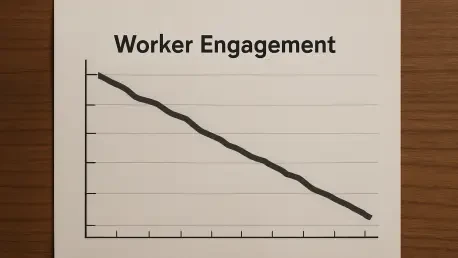

A troubling trend has been quietly reshaping the American workplace, as a recent analysis reveals a significant and continuous decline in U.S. worker engagement since it reached a high point in 2020. The data, published in January 2026, paints a stark picture: the percentage of actively engaged employees has fallen from 36% to just 31% over the past five years. This five-point drop is not merely a statistic; it represents an estimated 8 million fewer workers who feel connected to and enthusiastic about their work. This decline in morale and motivation is not uniform, with the most substantial decreases occurring in two critical areas of the employee experience. Specifically, employees report a growing lack of clarity about what is expected of them in their roles and a diminishing sense that their employers genuinely care about their well-being as individuals. This erosion of fundamental workplace support signals a critical challenge for leaders and organizations across the country.
The Anatomy of a Disconnected Workforce
The steady decline in employee engagement is not a monolithic phenomenon but rather a complex issue with distinct patterns, particularly when viewed through a demographic lens. Younger generations are leading this downward trend, signaling a potential long-term crisis in workplace culture if left unaddressed.
The Generational Divide in Workplace Discontent
A closer examination of the data reveals that the disengagement trend is most pronounced among younger generations, creating a significant divide in the modern workforce. From 2020 to 2025, engagement levels among Generation Z and younger millennials plummeted by a staggering eight percentage points, while older millennials experienced an even steeper nine-point drop. This contrasts sharply with the experiences of their more tenured colleagues; over the same period, Generation X saw a more moderate six-point decrease in engagement, and baby boomers reported no change at all. This generational gap suggests that the factors driving disengagement are disproportionately affecting those in the earlier stages of their careers. These younger employees are not just passively dissatisfied; their disengagement is rooted in specific unmet needs and expectations that organizations have failed to address, creating a growing chasm between what they seek from an employer and what they are currently receiving in their day-to-day work lives.
An Erosion of Connection and Growth
The core of this disengagement crisis stems from the erosion of two fundamental pillars of the employee experience: a sense of personal connection and clear opportunities for professional development. The data indicates that younger workers were a full 13 percentage points less likely than their older counterparts to strongly agree that a supervisor or colleague cares about them on a personal level. This feeling of being just another cog in the machine is compounded by a perceived lack of investment in their future. The percentage of this demographic who felt they had opportunities to learn and grow within their organization fell dramatically from 48% in 2020 to a mere 37% in 2025. This finding is corroborated by other reports suggesting that while younger professionals may be satisfied with their current roles, they remain willing to leave for better pay, more defined career paths, and enhanced learning opportunities, highlighting a transactional relationship with employers who fail to foster a supportive and developmental environment.
Charting a Course for Re-engagement
In response to this downward spiral, organizations have a clear mandate to rebuild the foundations of the employee experience. The feedback from workers themselves provides a roadmap, pointing toward tangible strategies focused on improving communication, direction, and a genuine culture of care.
Rebuilding Clarity and Direction
To combat the ambiguity that fuels disengagement, employees have unequivocally called for better communication from their organizations. More than a third of workers identified this as the primary solution to a lack of clarity regarding their job expectations. This goes beyond simple task assignment; it involves creating a consistent and transparent dialogue about roles, responsibilities, and how individual contributions align with broader company goals. Following closely behind was the need for improved direction from leadership, which entails setting a clear vision and providing the necessary guidance for teams to succeed. Furthermore, workers highlighted the importance of increased development and recognition, which serve as powerful tools for reinforcing what is expected and valued. As one chief scientist noted, the progress made in employee development before the pandemic has not only stalled but has begun to reverse, making clarity even more critical during periods of sustained uncertainty.
Fostering a Culture of Support and Value
Helping employees feel genuinely cared for requires a multifaceted approach that extends beyond superficial perks. The most frequently cited factor by workers was the need for supportive relationships, consistent communication, and mutual respect. This points to the profound impact of managerial quality and team dynamics on an individual’s sense of belonging and psychological safety. When supervisors and peers demonstrate authentic concern, it builds a foundation of trust that is difficult to replicate. Beyond these interpersonal elements, employees also identified other crucial components that contribute to their feeling of being valued. These include fair and competitive compensation, a healthy work-life balance that respects personal time, and tangible opportunities for future growth. Together, these elements signal a holistic investment in the employee, not just as a worker, but as a person with aspirations and a life outside the office, which is essential for fostering long-term loyalty and engagement.
A Call for a Renewed People-First Approach
The period from 2020 to 2025 was marked by a clear and concerning regression in the American employee experience. The data showed that the fundamental needs for clarity and a sense of being cared for were increasingly unmet, particularly among the younger generations who represent the future of the workforce. Organizations that recognized these trends began to pivot, understanding that reversing the decline required more than minor adjustments. It demanded a deliberate recommitment to the principles of effective management: fostering supportive relationships, providing clear direction, and creating pathways for growth. The challenge was not simply to halt the decline but to actively rebuild the trust and connection that had been lost, transforming the workplace into an environment where employees felt both seen and valued.