
The rapid proliferation of sophisticated generative artificial intelligence tools has fundamentally altered the traditional dynamics of the modern labor market, leading to a massive surge in automated job applications that currently overwhelm corporate HR departments globally. This unprecedented volume of synthetically produced resumes and cover letters has created a significant signal-to-noise problem, where identifying genuine human talent amidst a sea of algorithmically optimized submissions has become a daunting task for recruiters. To address this crisis, the UK-based recruitment technology firm Willo has introduced a specialized tool called Willo Insights, designed to help employers navigate the complexities of AI-curated job applications. By moving beyond basic filtering methods, this platform aims to restore integrity to the hiring process, ensuring that businesses can focus on finding the right individual for the job. The system analyzes the underlying context of an application rather than just surface-level keywords.
The Evolution of Hiring Intelligence: Moving Beyond Keywords
Standard recruitment software has historically relied on static keyword matching, a vulnerability that savvy job seekers and automated scripts have learned to exploit with increasing precision. When candidates use large language models to tailor every sentence of a resume to a specific job description, they can easily bypass legacy applicant tracking systems that look for specific phrases. Willo Insights represents a pivot toward what the industry is calling hiring intelligence, a more holistic approach that seeks to understand the deeper layers of a candidate’s background. This shift is essential because the cost of a bad hire remains high, and the time wasted on interviewing individuals who only look good on paper can drain a company’s productivity. By leveraging advanced data synthesis, the new tool provides a clearer picture of an applicant’s actual potential, effectively neutralizing the advantages gained through the sheer volume of automated submissions.
The core of this technological shift lies in identifying the signal through the noise, a task that has become increasingly difficult as the barrier to entry for job applications has plummeted to an all-time low. Prioritizing contextual fit over a polished but potentially misleading application allows hiring managers to reclaim control over their pipelines and focus their attention on the most promising leads. This strategic effort to restore balance to the job market ensures that individuals with the right skills and cultural alignment are not overshadowed by those who simply have better access to automation tools. Moreover, the integration of these sophisticated analysis techniques helps to democratize the hiring process by looking at a broader range of indicators. Rather than punishing candidates who might not have a perfectly formatted resume, the system looks for evidence of relevant expertise that software cannot easily replicate, thereby preserving the human element of talent.
Blueprints and Expansion: Establishing Benchmarks Through Real-World Success
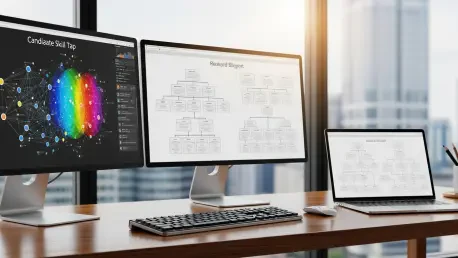
Willo Insights operates by constructing a detailed blueprint for each position, utilizing an array of unique data points to establish a customized benchmark for success. Unlike generic evaluation systems, this method synthesizes the internal company culture, detailed technical job descriptions, and even recorded conversations with hiring managers to gain a granular understanding of what a role truly entails. This synthesized data allows the artificial intelligence to evaluate every incoming candidate against a specifically tailored standard, ensuring that those who progress to the interview stage are genuinely aligned with the unique operational needs of the organization. By establishing these structured data points early in the recruitment cycle, the tool provides a consistent framework that can be applied across different departments. This architectural approach to hiring helps to bridge the gap between high-level goals and the daily realities of specific roles.
The practical effectiveness of this methodology has been demonstrated through testing with prominent organizations like Northern Powergrid. In a retrospective study, the tool’s top recommendations closely mirrored choices made by human recruiters during a months-long manual process. This level of predictive accuracy proves the technology can reduce the effort required to identify talent without compromising quality. As the company expands, it has increasingly focused on the North American market, which now represents a significant portion of its total revenue. With substantial financial backing and plans to establish a US headquarters, the firm is positioning itself as a leader in recruitment technology. This growth reflects a broader industry trend toward data-driven solutions capable of keeping pace with the rapidly evolving AI landscape. The demand for such tools is expected to rise sharply from 2026 to 2028 as more organizations seek to maintain human-centric talent management.
Tactical Implementation: Strategies for a Transformed Workforce
Companies that successfully integrated these advanced hiring intelligence tools observed a marked improvement in their talent acquisition workflows and long-term retention rates. Leaders in the human resources sector prioritized the establishment of clear, data-driven benchmarks for every open position before initiating the recruitment process. This proactive strategy involved close collaboration between hiring managers and data analysts to ensure that the AI blueprints accurately reflected the technical and cultural requirements of the team. By focusing on these structured inputs, organizations minimized the risk of being misled by sophisticated AI-generated applications and instead identified candidates with the necessary soft skills and adaptive capabilities. Furthermore, firms invested in training their recruitment staff to interpret the insights provided by the software, turning automated data into actionable intelligence for the leadership.
Organizations also implemented secondary verification stages to confirm the authentic skills of applicants identified by the automated screening tools. This multifaceted approach included the use of practical assessments and live video interactions that were evaluated against the original role-specific blueprint. By adopting a tiered evaluation model, companies ensured that the efficiency of AI was balanced with the rigorous scrutiny needed to maintain high organizational standards. This transition away from superficial resume reviews allowed HR departments to act more as strategic consultants within their businesses, focusing on talent development and organizational design. The integration of such tools necessitated a cultural shift where data became a central pillar of the hiring conversation, leading to more transparent and defensible employment practices. Ultimately, the successful deployment of these technologies required a commitment to continuous refinement.