
In the competitive landscape of talent acquisition, small and medium-sized businesses often struggle to keep pace with the resources of larger corporations. Today, we sit down with Sofia Khaira, a specialist in diversity, equity, and inclusion, to explore a new frontier in hiring. We’ll delve into how strategic AI partnerships are enabling SMBs to dramatically accelerate their hiring processes, discussing the delicate balance between technological efficiency and the essential human element in making great hires. Our conversation will touch on how AI can foster fairer outcomes, improve employee retention by mitigating bias, and create a surprisingly positive experience for candidates, particularly in high-turnover industries like hospitality and retail.
The partnership aims to cut hiring time from weeks to days, mentioning a specific compression of time-to-interview from 48 hours to under 5 minutes. Can you walk us through that process for an SMB client in hospitality and detail where the WSI consultant’s strategic guidance is most critical?
Absolutely. Imagine a boutique hotel chain needing to staff up for the busy season. They’re flooded with applications, and their small HR team is overwhelmed. Traditionally, just scheduling initial phone screens would take days. Now, every single applicant can receive an invitation to an initial AI-powered interview almost instantly. Within five minutes of applying, a candidate can be answering tailored questions via voice or video, anytime, day or night. The AI handles the logistics and the first-pass screening based on core competencies. But the real magic happens before that. The WSI consultant’s guidance is most critical at the very beginning. They don’t just hand over the software; they sit down with the hotel’s leadership to define what makes a great front-desk associate beyond just “prior experience.” They help craft interview questions that probe for empathy, problem-solving, and grace under pressure—qualities that a simple resume review would miss. That strategic foundation is what ensures the AI is looking for the right things, not just keywords.
Valerie Brown-Dufour highlighted the importance of not losing the “human connection.” When an AI conducts the initial screening, how do you ensure human judgment remains central to the final decision? Could you share an anecdote about the hand-off from the AI analysis to the human hiring manager?
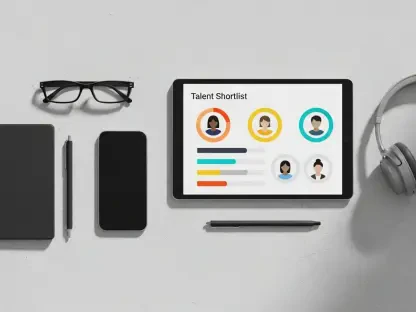
That’s the most important piece of this puzzle. The AI is a powerful assistant, not the hiring manager. It provides a data-rich summary that empowers human judgment, rather than replacing it. We had a situation with a client hiring for a customer service role. The AI provided a shortlist of five candidates, and the platform’s analysis included transcripts and summaries. For one candidate, the AI noted that her skills and experience were a perfect match, but her tone was a bit hesitant when answering a complex situational question. An algorithm alone might have down-ranked her. But the human hiring manager reviewed the video clip and saw not a lack of confidence, but thoughtfulness. He brought her in for a final interview and discovered she was incredibly bright but simply preferred to think before she spoke. She turned out to be one of their best hires. The AI provided the objective data, but the human provided the nuance and empathy to interpret it correctly.
The release cites a 15% better retention rate through data-driven matching and reduced bias. Could you elaborate on how the AI achieves this? What specific data points does it analyze during interviews to predict a better long-term fit, and how were these impressive metrics first validated?
From a diversity and inclusion perspective, this is where the technology becomes truly transformative. Unconscious bias is a major reason for poor hiring decisions and, subsequently, poor retention. An AI, when trained properly, is blind to a person’s age, gender, or background. It evaluates every candidate on the exact same set of criteria. The platform analyzes the substance of their answers—how they structure a response to a problem, the specific examples they use to demonstrate a skill, and their alignment with the company’s core values, which are woven into the questions. It’s looking for competency, not just charisma. This data-driven approach leads to a better initial fit. The 15% improvement in retention isn’t a guess; it’s validated by tracking the performance and tenure of employees hired through this method versus those hired through traditional channels over time. When you hire someone who is a genuine fit for the role’s demands and the company’s culture, they are far more likely to stay, grow, and thrive.
A 95% 5-star candidate rating for an AI-powered interview is remarkable. What specific design elements within the voice and video interactions make the experience feel so natural and positive? Can you describe how you gather that feedback and what it has taught you about conversational AI?
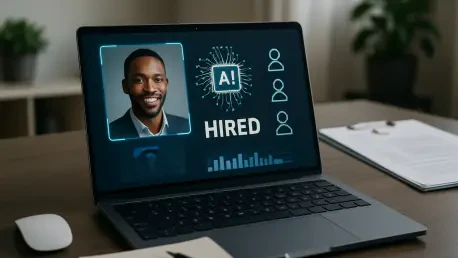
It is remarkable, and it really comes down to respecting the candidate’s time and energy. Think about the typical application process—you submit a resume and often hear nothing back for weeks. It feels like shouting into a void. This process is the opposite. The platform is designed to be accessible and intuitive. A candidate can complete the interview on their phone, at 10 p.m. after their kids are asleep, in any of 10 languages. The conversational AI is programmed to feel natural, with appropriate pacing and a friendly tone. It’s not an interrogation; it’s a structured conversation. We gather feedback through a simple one-question survey immediately after the interview concludes. The key lesson we’ve learned is that candidates value transparency and responsiveness above all. Even if they don’t get the job, they appreciate a process that is clear, fair, and immediate. They feel seen and respected, which builds goodwill for the employer’s brand regardless of the outcome.
You specifically target high-turnover industries like manufacturing and retail, promising a 3x screening capacity. Can you provide a real-world example of how this technology helps a business manage a sudden surge in applications, and what the onboarding process with a WSI consultant looks like for them?
A perfect example is a logistics company heading into the holiday season. They need to triple their warehouse staff in six weeks, which means sifting through thousands of applications. Their two-person HR team simply can’t handle that volume. By implementing this platform, they can automatically screen every single applicant who meets the basic criteria. This 3x screening capacity means that instead of working 80-hour weeks just to schedule phone calls, the HR team can spend their time engaging with the most promising, pre-vetted candidates. The onboarding with a WSI consultant is a strategic partnership. The first week is dedicated to discovery—understanding the specific roles, the company culture, and the critical success factors. The consultant then helps them build the interview questions and scoring rubrics within the AI platform and trains the hiring managers on how to interpret the results. It’s about building a sustainable hiring engine, not just a temporary fix.
What is your forecast for the future of AI in SMB talent acquisition?
I believe we are moving past the phase of AI as a novelty and into an era where it will be an essential, foundational tool for any SMB that wants to compete for top talent. The forecast isn’t about AI replacing recruiters; it’s about AI augmenting their capabilities. We’ll see smarter, more predictive tools that not only screen candidates but also help identify internal talent for new roles, suggest personalized development paths, and provide real-time data on the health of a company’s talent pipeline. The ultimate goal is to use this technology to make the entire talent lifecycle more human-centric, efficient, and equitable, allowing business leaders to focus their energy on what truly matters: building incredible teams.