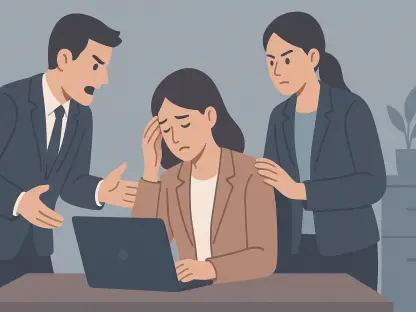

The European Commission must provide a formal justification within three months if it chooses to omit psychosocial risk management from its upcoming legislative agenda. This requirement emerged as a central demand in a recent legislative-initiative report adopted by the European Parliament, which
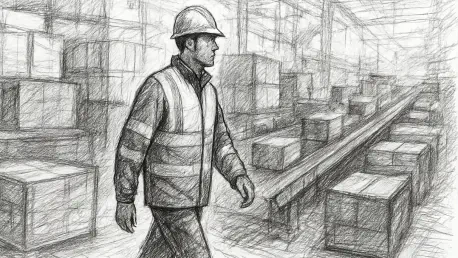
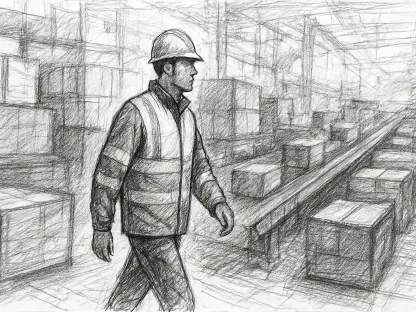
Physiological fatigue in the lower extremities can alter a person's gait, making it significantly harder for them to recover from a simple slip or trip on the warehouse floor. This specific physical vulnerability is just one component of the broader phenomenon known as fourth-quarter fatigue, which
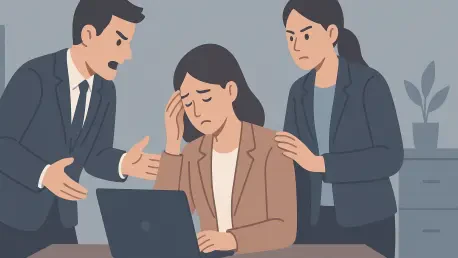
Site workers in the construction industry must navigate interactions with various contractors, requiring a thorough review of site-wide conduct and safety protocols. This operational necessity is now a legal imperative following the enactment of the Employment Rights Act 2025, which significantly

A demographic breakdown shows that Millennials aged 30 to 45 represent half of the workforce currently struggling with the intersection of occupational burnout and sexual health issues. This realization marks a significant departure from traditional views that categorized workplace stress merely as
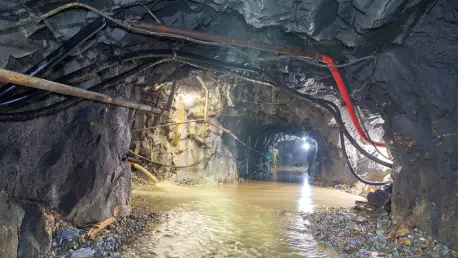
Thin-seam mining practices in Kentucky, Virginia, and West Virginia frequently require cutting through surrounding rock, which releases toxic levels of respirable crystalline silica into the air. This environmental reality serves as the backdrop for a comprehensive study of American underground
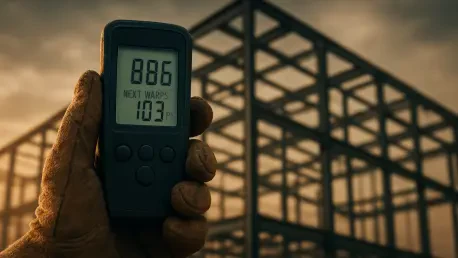
Integrating heat safety into a project's operational DNA helps resolve the natural tension between productivity demands and the necessity for mandatory cool-down periods. As temperatures across the United States reach unprecedented levels, the American construction industry is undergoing a
1 2 3 4 5 6 7 8 9 10 11 12 13 14 15 16 17 18 19 20 21 22 23 24 25 26 27 28 29 30 31 32 33 34 35 36 37 38 39 40 41 42 43 44 45 46 47 48 49 50 51 52 53 54 55 56 57 58 59 60 61 62 63 64 65 66 67 68 69 70 71 72 73 74 75 76 77