
With the landscape of workplace law shifting dramatically, we sat down with Sofia Khaira, a specialist in diversity, equity, and inclusion, to make sense of the past year. In 2025, a surge in so-called “reverse discrimination” claims, involving companies from Paramount to Starbucks, left many HR leaders navigating a complex and often contradictory legal environment. Sofia helps us understand the nuances of these cases and offers guidance on how to build inclusive workplaces that are both meaningful and legally sound.
Given that several 2025 lawsuits, including one involving a Paramount executive, linked firings to corporate DEI goals, how can HR leaders design and implement inclusion programs that are both effective and legally defensible? Please walk us through the specific language or metrics that could create vulnerabilities.
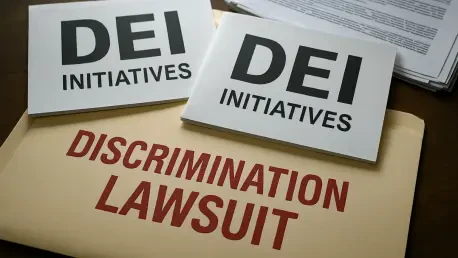
That’s the central challenge organizations are facing. The critical misstep is framing DEI initiatives in a way that implies quotas or preferential treatment, which can be interpreted as violating Title VII. When a company, like the one in the Paramount case, has goals that can be misconstrued as “we need to fire X to hire Y,” it creates a massive legal vulnerability. The language needs to focus on broadening the talent pool, removing barriers to opportunity, and fostering a culture of belonging for everyone, not on achieving a specific demographic makeup through adverse actions against another group. Instead of saying, “we aim to have 30% women in leadership,” a more defensible approach is, “we aim to ensure our leadership development programs are equally accessible to all qualified candidates and will audit our selection process for bias.” The moment a policy feels like a zero-sum game, you’re inviting legal scrutiny.
Last year saw conflicting legal outcomes, with a judge siding with a White male plaintiff in the 3M case but a court dismissing a hostile environment claim at Penn State. What are the key legal factors that differentiate a valid discrimination claim from a dismissed one in these contexts?
The distinction often boils down to tangible, adverse employment action versus subjective feelings of discomfort. In the Barnes v. 3M case, the plaintiff was able to successfully argue that he was treated unfairly in a concrete way—impacting his job conditions or opportunities—compared to his colleagues. The court saw evidence of a material difference in treatment. Conversely, the Penn State case involved a professor claiming that campus conversations about antiracism created a hostile work environment. The court dismissed it because, while the conversations may have been uncomfortable for him, they didn’t rise to the legal standard of being so severe or pervasive that they altered the conditions of his employment. A successful claim needs to connect a protected characteristic to a specific negative outcome, not just a general sense of being alienated by workplace dialogue.
The Supreme Court unanimously sided with a heterosexual woman in the Ames v. Ohio case last summer. What precedent did this ruling set for workplace discrimination, and what immediate, practical steps should employers have taken to audit their own policies and training in response?
The Ames ruling was a powerful and unambiguous reminder that workplace protections are universal. By unanimously siding with the plaintiff, the Supreme Court sent a clear message: discrimination law protects everyone, regardless of whether they belong to a majority or minority group. The precedent it set is that the act of discrimination is what matters, not the identity of the person experiencing it. The most critical, immediate step for employers should have been a comprehensive audit of their policies. They needed to ask, “Are our anti-discrimination, anti-harassment, and promotion policies being applied consistently to every single employee?” It was also a mandate to update training. Scenarios used in training must now explicitly include examples of discrimination against majority-group members to ensure managers understand that bias can flow in any direction.
In 2025, companies like Starbucks faced pressure from state attorneys general, while other organizations were challenged by advocacy groups over diversity programs. How should legal and HR teams proactively prepare for this external scrutiny? What specific documentation is most critical to have in place beforehand?
Proactive preparation is no longer optional; it’s essential for survival. Legal and HR must collaborate to build a fortress of documentation around every single DEI initiative. The most critical piece of documentation is a clear, data-driven business case for each program. Why does this initiative exist? What specific, unbiased data identified a barrier or a need? For example, if you’re creating a mentorship program, you need documentation showing it’s designed to ensure equitable access to career development for all, not to give preferential treatment. This means having records of program goals, selection criteria, and outcomes that demonstrate fairness. When the Missouri attorney general questions Starbucks, the best defense is a clear paper trail showing that their policies are aimed at expanding opportunity, not illegally favoring one group over another.
What is your forecast for majority-group discrimination claims in the coming year?
I fully expect the trend of majority-group discrimination claims to accelerate. The legal and public attention these cases received in 2025 has created a roadmap for potential litigants, and we’ve seen advocacy groups become more organized in this space. The focus of these claims will likely broaden beyond hiring and firing to challenge things like mentorship programs, employee resource groups, and leadership pipelines that are perceived as exclusionary. This will force companies into a very challenging position. They cannot abandon their commitment to diversity and inclusion, but they will have to become far more sophisticated and legally rigorous in their approach. The emphasis must shift from demographic metrics to creating transparent, equitable systems and processes that can be proven to provide fair opportunities for every employee.