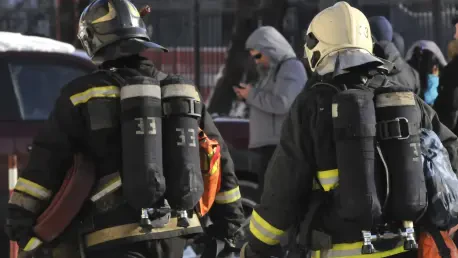

Classroom-style education on hazardous substances fails to translate into better field habits if the department does not provide the resources or time for decontamination. Firefighters face a volatile cocktail of carcinogens, including polycyclic aromatic hydrocarbons, which adhere to protective gear during active fire suppression. While medical experts have long warned about elevated cancer rates, the transition from theoretical knowledge to practical application remains inconsistent across many departments. It is not enough to simply inform a firefighter about the risks; the environment must facilitate the hygiene steps to mitigate them. When a crew returns from a structure fire, the pressure to return to service often overshadows the meticulous cleaning required to remove toxic particulates. This creates a dangerous paradox where those protecting the community are left vulnerable due to operational oversight. Bridging this gap requires a systemic shift in how health protocols are managed on the ground.
Analyzing the Research Methodology and Compliance Metrics
To better understand the mechanisms behind safety adherence, a comprehensive cross-sectional study was conducted involving 926 fire suppression personnel. This recent research, published by Jiwoon Kwon in the journal BMC Public Health, sought to isolate specific variables that drive or deter decontamination efforts within high-stakes environments. By utilizing a robust nationwide sample, the study provided a statistically significant overview of how individual and institutional factors interact. Participants were surveyed on their perceptions of organizational prioritization, as well as their own personal views on the traditional soot culture that has historically defined the profession. The researcher focused on whether a top-down administrative approach or a bottom-up cultural shift would be more effective in ensuring that firefighters engage in essential health practices after exposure. This empirical approach moved beyond anecdotal evidence to offer a data-driven perspective on workplace safety.
The core of the data collection relied on a specialized seven-item index designed to quantify exposure-control behaviors among the participants. This index focused on critical post-incident actions, such as the immediate cleaning of protective gear, the management of contaminated tools, and the rigorous hygiene routines required to prevent dermal absorption. By scoring participants on a scale from zero to seven based on their consistent adherence to these protocols, the study established a clear benchmark for high-performance safety behavior. In addition to behavior tracking, the survey measured three primary variables: perceived support from leadership, internal cultural norms shared by the team, and the frequency of formal safety education sessions. This multifaceted methodology allowed for a rigorous analysis, ensuring that the influence of organizational priority could be isolated from other potential factors like peer pressure or the availability of basic training materials.
The Primacy of Organizational Support over Traditional Norms
The analysis provided a compelling narrative regarding the power of institutional influence on individual safety choices. The study identified that the single most decisive factor in determining whether a firefighter follows decontamination protocols is the perceived level of organizational prioritization. When department leadership actively champions health initiatives by allocating funds for gear extractors and allowing time for on-scene cleaning, personnel are significantly more likely to comply with standards. This top-down commitment creates a culture of accountability where health practices are not viewed as optional extras but as essential components of the job. Conversely, when leadership remains indifferent, even well-informed firefighters may skip critical steps to avoid appearing inefficient. The data revealed that firefighters who perceived a lack of organizational support demonstrated a 27 percent lower rate of practice adoption compared to their more supported colleagues.
Interestingly, the research challenged assumptions that soot culture is the primary obstacle to safety. For decades, smoke-stained gear was a badge of honor, symbolizing a firefighter’s experience. However, the statistical models found no independent association between these cultural perceptions and actual decontamination behaviors when adjusted for other factors. This suggests that while traditional attitudes still exist, they do not hold as much power over behavior as the institutional environment. Similarly, the study found that the frequency of general education regarding hazardous substances did not significantly improve safety behavior on its own. While training is a necessary foundation, it fails to change habits without structural support. If a firefighter lacks access to a second set of turnouts or cleaning supplies, the education becomes effectively moot. To influence behavior, departments must move beyond passive learning and integrate decontamination into daily operations.
Developing Strategic Frameworks: Future Health Compliance
Effective reform within the fire service requires a departure from traditional safety lectures toward the implementation of rigid, standardized operating procedures. By integrating decontamination directly into the tactical workflow, departments successfully normalized health-conscious behaviors. These organizations recognized that providing on-scene cleaning kits and secondary sets of gear was not merely an expense but a vital investment in personnel longevity. The transition involved moving beyond simple awareness and into the realm of mandated operational checkpoints that were verified by on-scene safety officers. This systemic shift allowed for a measurable increase in the frequency of gear cleaning, as the burden of responsibility shifted from the individual to the organizational structure. Leadership teams that prioritized these logistical changes saw a significant improvement in compliance rates, as the barriers to entry for safe behavior were removed by administrative action.
The insights from the research paved the way for a more nuanced understanding of occupational health within the emergency services sector. It became clear that the most successful departments were those that fostered a leadership climate where health and safety were treated as performance metrics equivalent to response times. By moving the focus away from the individual’s identity and toward the institution’s responsibility to its members, the profession began to address the root causes of toxic exposure. Future considerations for administrators included the adoption of automated gear tracking and the integration of biometric monitoring to personalize safety protocols. These advancements represented a proactive stance against occupational illness, ensuring that workforce protection remained a primary goal. Ultimately, the focus on organizational prioritization provided the most effective roadmap for reducing the long-term health risks for those who dedicated their lives to public service.