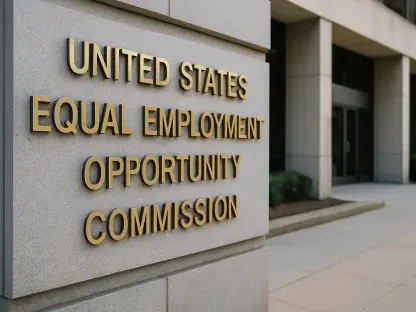

Pursuing Justice Against Workplace Segregation and Systemic Discrimination
The modern American workforce is often perceived as a space where diversity and inclusion are foundational principles, yet recent litigation serves as a jarring reminder that regressive practices still persist. The Equal Employment Opportunity Commission (EEOC) recently initiated a high-profile federal lawsuit against StoneMor GP, LLC, a prominent cemetery and funeral home management company, over deeply troubling allegations. This litigation brings to light startling claims of racial segregation and unlawful retaliation occurring at the company’s facilities in Tennessee. The case serves as a critical intervention in the ongoing struggle for workplace equality, highlighting that even in the modern era, fundamental civil rights protections are being challenged by corporate structures. By examining this legal action, one can better understand the importance of Title VII of the Civil Rights Act of 1964 and the necessity of federal oversight in ensuring that all employees, regardless of race, are treated with dignity and fairness. This timeline outlines the specific grievances and the subsequent legal response aimed at dismantling discriminatory corporate practices.
Chronology of Discriminatory Practices and Legal Action
Phase One: The Implementation of Segregated Workplace Facilities
The conflict began when StoneMor management allegedly instituted a system of segregated amenities at its Tennessee operations. According to the EEOC’s complaint, Black employees, spanning from groundskeepers to professional-level staff, were systematically denied access to a “preferred” interior restroom and break room. These superior facilities were secured with combination code locks and reserved exclusively for White executives and professional staff. This initial action established a clear hierarchy of treatment based on race, creating a bifurcated work environment that directly contradicted federal law. It was not merely a matter of convenience; it was a physical manifestation of racial exclusion within the walls of a professional establishment.
Phase Two: The Period of Forced Off-Site Amenities and Substandard Alternatives
For an initial ten-day period following the restriction of interior access, Black employees were reportedly forced to leave the premises to use the restrooms at a nearby gas station. Following internal complaints regarding this dehumanizing treatment, management provided an alternative on-site accommodation for the Black staff. However, these new facilities were described as inhospitable and unhygienic, standing in sharp contrast to the clean, climate-controlled spaces maintained for White personnel. This phase of the timeline illustrates the company’s persistence in maintaining a segregated status quo despite being explicitly alerted to the unfairness of the situation, reinforcing a culture of racial disparity.
Phase Three: Management Retaliation Against Protected Activities
The situation escalated when a supervisor informed management that a subordinate intended to file a formal discrimination charge regarding the facility disparities. In response to this protected communication, management allegedly threatened the supervisor with termination. Within a week of the warning, the supervisor was fired. This event marked a shift from discriminatory facility management to active retaliation, a secondary violation of Title VII designed to suppress legal recourse and intimidate the workforce into silence. By targeting those who spoke up, the company sought to insulate itself from accountability through fear.
Phase Four: The EEOC Files Federal Litigation in Tennessee
Following a comprehensive investigation into these claims, the EEOC officially filed its lawsuit against StoneMor GP, LLC. The commission asserted that the company’s conduct represented a fundamental violation of the Civil Rights Act, which prohibits the segregation of employees in a way that deprives them of employment opportunities or otherwise affects their status as employees. The filing of this suit signaled the EEOC’s commitment to prosecuting cases where racial segregation and management-led intimidation intersect to create a hostile and unlawful work environment. This legal step moved the dispute from internal corporate walls to the federal judicial stage.
Turning Points in the Fight for Workplace Equity
The most significant turning point in this narrative was the transition from localized facility complaints to a federal civil rights case. The shift occurred when StoneMor chose to retaliate against a supervisor rather than rectify the unhygienic conditions provided to minority staff. This decision transformed the case from a dispute over amenities into a broader battle over the right to report discrimination without fear of losing one’s livelihood. A recurring theme throughout this timeline is the concept of “status-based” discrimination, where the denial of equal facilities serves as a tool to diminish the standing of minority workers. The case also revealed a notable gap in corporate compliance training, as the alleged actions were not the result of a single rogue employee but appeared to be a systemic management strategy.
Nuances of Retaliation and Federal Enforcement Strategy
The StoneMor case highlighted a specific nuance in federal labor law: retaliation is often easier for the EEOC to prove than the underlying discrimination itself. By firing a supervisor within a week of their report, the company created a “temporal proximity” that strongly suggested a retaliatory motive. This aligned with a broader trend in the EEOC’s recent enforcement strategy, which focused heavily on protecting the “bridge” to justice—the employees and supervisors who speak up. Furthermore, the regional context of Tennessee underscored that racial segregation remained a persistent issue that required active monitoring, even decades after the Civil Rights movement. Misconceptions often suggested that segregation was a relic of the past; however, this litigation proved that “separate but equal” remained a contemporary threat in the American corporate landscape that the commission intended to prosecute vigorously. Stakeholders should now look toward more robust internal reporting audits and the implementation of third-party monitoring to prevent such systemic failures from recurring in other jurisdictions. Future research into the psychological impact of modern workplace segregation could further illuminate the necessity for these legal protections.