
As a leading expert in diversity, equity, and inclusion, Sofia Khaira has dedicated her career to reshaping how businesses approach talent management and employee well-being. Today, she joins us to discuss the increasingly complex and sensitive issue of drug testing in the workplace. Drawing from recent events, such as the case involving British soldiers, we’ll explore how organizations can move beyond punitive measures to create policies that are both fair and supportive. Our conversation will touch on the critical importance of clear communication when rolling out new policies, the practical differences between a punitive and a recovery-focused approach, and the legal tightrope HR must walk in safety-critical industries. We’ll also delve into the human side of this issue: how to train managers for emotionally charged conversations and how to handle a crisis fairly and compassionately.
When implementing a drug testing policy, how can HR best communicate its purpose and intended outcomes to staff? Please walk me through the key steps to ensure employees accept the policy without confrontation and share an example of this approach working effectively.
The key is to lead with transparency and empathy, not authority. You can’t just drop a policy memo and expect people to embrace it. The first step is to clearly articulate the ‘why’ behind the policy. Is it about ensuring safety in a high-risk environment? Is it part of a broader wellness initiative? You must explain the specific objectives and intended outcomes so there’s no room for confusion or suspicion. We once worked with a manufacturing company where the introduction of testing was met with immediate resistance. We paused the rollout and held town halls where we explained the policy was a direct response to a few near-miss safety incidents. We actively listened to their concerns, clarified that the goal was prevention and support, not punishment, and assured them of full confidentiality. This open dialogue completely changed the tone and led to a smooth, confrontation-free implementation.
Punitive drug policies can create a culture of fear, potentially driving addiction underground. How does a supportive policy focused on recovery differ in practice, and what specific resources or first steps should an employer offer an employee who comes forward or tests positive?
The difference is night and day. A punitive policy essentially says, “We will catch you, and you will be fired.” This creates a culture of fear and silence where employees who are struggling will hide their problems at all costs, which only increases workplace risk. A supportive policy, on the other hand, says, “We value you, and if you are struggling, we are here to help.” In practice, this means the first step isn’t a disciplinary meeting but a confidential conversation about a path to recovery. The employer should have resources ready, like an Employee Assistance Program (EAP), referrals to addiction recovery services, or flexible leave options for treatment. The focus immediately shifts from termination to rehabilitation, encouraging people to come forward for help before a crisis or a positive test even occurs.
For roles in safety-critical sectors, what legal and ethical lines must HR navigate when implementing drug testing? How can they balance the need for workplace safety with employee consent, data protection, and confidentiality? Please provide a few practical tips.
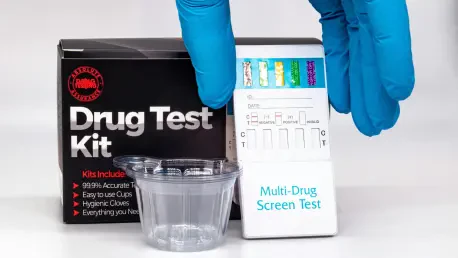
This is an area where the stakes are incredibly high, and HR must be meticulous. The first legal hurdle is ensuring the testing is directly relevant and justifiable for the role; you can’t implement a blanket policy without cause. From an ethical standpoint, consent is paramount. Employees must be fully informed about why testing is in place, when it might happen, and what the potential outcomes are. To balance this with privacy, data protection is crucial. My advice is to always use a confidential, third-party testing service to ensure results are accurate and handled discreetly. Secondly, embed the policy clearly in employment contracts so consent is established from the outset. Finally, strictly limit who has access to the results. Information should be on a need-to-know basis to protect the employee’s privacy and dignity throughout the process.
Discussing a positive drug test is an emotionally charged conversation. What specific training and tools should HR provide to managers to handle these situations respectfully and professionally? Could you share an anecdote that shows the impact of well-prepared leadership in these cases?
These conversations are intensely personal and can evoke a great deal of shame and fear, so preparation is everything. Managers need specific training in empathetic communication, active listening, and de-escalation. They should be equipped with a clear script of talking points, a list of available support resources, and a thorough understanding of the company’s policy to ensure consistency. I remember a case with a long-term, high-performing employee who had a positive test after a workplace accident. His manager, who had recently completed our sensitivity training, handled it beautifully. Instead of starting with the disciplinary aspect, he started by asking, “Are you okay? This is a safe space.” That simple, human-centered opening allowed the employee to open up about a personal crisis he was facing. The manager was then able to guide him toward the company’s EAP, turning a potentially career-ending event into a pivotal moment of support and recovery.
Imagine an incident prompts mass testing for an entire department, with several employees facing potential dismissal. What are the key considerations for HR in managing this process fairly, and how can they support the wider team while an investigation is underway?
In a situation like that, which is reminiscent of the incident involving the 250 troops, HR’s role is to be a stabilizing force centered on fairness and communication. The primary consideration is ensuring the entire process is managed equitably and confidentially. You cannot have a process that feels like a witch hunt. This means applying the same testing protocol to everyone and ensuring the investigation is objective. For the wider team, anxiety and rumors can be incredibly damaging. HR must communicate proactively, explaining what is happening (without revealing confidential details), the steps being taken, and the expected timeline. It’s also vital to remind everyone of the available support resources, as witnessing colleagues go through this can be very stressful. Supporting the remaining team members is just as important as managing the investigation itself to maintain morale and trust.
What is your forecast for workplace drug policy?
I believe we’re on the cusp of a significant shift. The old, purely punitive models are becoming obsolete as more companies recognize that employee well-being is directly tied to productivity and safety. My forecast is that workplace drug policies will become increasingly integrated into broader mental health and wellness strategies. We’ll see less emphasis on a simple “positive” or “negative” result and more on a holistic understanding of an employee’s situation. The focus will continue to move toward recovery-oriented, supportive frameworks that prioritize rehabilitation over termination, ultimately creating safer, healthier, and more compassionate workplaces.