
The rapid evolution of machine learning and predictive analytics has fundamentally altered the way industrial environments manage worker protection and environmental compliance. According to recent findings by the American Society of Safety Professionals, the industry has officially moved past the stage of speculative interest and into a period of active, tactical deployment. Safety managers are no longer merely discussing the potential of these tools; they are integrating them into daily operations to identify hazards that were previously invisible to the human eye. This transition is characterized by a shift from reactive measures to proactive prevention, as the current landscape allows for the processing of vast datasets to predict where the next incident might occur. The focus remains steadfast on augmenting human expertise rather than replacing it, ensuring that the seasoned judgment of safety veterans is paired with the lightning-fast processing power of modern algorithms.
The current climate of the EHS sector is defined by a rigorous focus on ethical standards and operational transparency. As professionals navigate this window of early adoption, the emphasis is on creating a framework where technology serves as a reliable partner in the mission of worker safety. Success stories from the field indicate that the barrier to entry is lower than many anticipated, with user-friendly interfaces allowing those without coding backgrounds to leverage sophisticated models. By automating the more tedious aspects of administrative documentation and data entry, these systems free up safety experts to engage in high-value activities, such as direct mentorship and on-site hazard mitigation. This cultural shift is not just about efficiency; it is about reclaiming the human element of safety by using technology to handle the cognitive load of data management.
Maximizing Operational Impact and Knowledge Retention
Innovative Applications for Training and Expertise
Modern industrial workplaces are utilizing generative models to bridge the gap between complex regulatory requirements and a diverse, often multilingual workforce. Companies are now able to ingest thousands of pages of dense safety manuals and output simplified, highly visual training modules that are tailored to the specific literacy levels and primary languages of their employees. This customization ensures that critical protocols, such as lockout-tagout procedures or chemical handling instructions, are not lost in translation. By making safety information more accessible, organizations are seeing a direct correlation between improved comprehension and a reduction in minor incidents caused by simple misunderstandings of standard operating procedures. This level of personalization was previously impossible due to the sheer volume of labor required to manually rewrite and translate thousands of documents for different demographic groups within a single facility.
Institutional knowledge retention has also taken a futuristic leap through the creation of specialized knowledge repositories that function as digital mentors. Senior safety engineers, many of whom possess decades of niche experience, are now training private AI models on their personal archives of technical reports, past presentations, and incident investigations. These systems effectively create a “digital twin” of an expert’s career-long wisdom, allowing junior staff members to query the system and receive guidance that reflects the specific nuances of their particular facility. This ensures that when a veteran professional retires, their unique understanding of a specific chemical reactor or a complex electrical grid remains available to the team around the clock. Such a strategy mitigates the risk of “brain drain” and provides a continuous safety net for the organization, maintaining a high standard of oversight even during off-shifts or holiday periods when senior staff might be unavailable.
Overcoming Resistance and Building Trust
The inherent risk-aversion that defines the safety profession often acts as a double-edged sword when introducing new technologies like machine learning. While this caution is necessary for preventing accidents, it can also lead to a “wait-and-see” approach that leaves organizations behind the curve of modern prevention capabilities. Industry experts have observed that the psychological barrier to adopting these tools typically dissipates after approximately ten hours of direct, hands-on interaction. To facilitate this comfort, many organizations are encouraging low-stakes experimentation, such as using large language models to draft preliminary safety meeting agendas or to summarize lengthy regulatory updates. These small, successful interactions build the foundational trust required for more significant implementations, moving the needle from skepticism toward an appreciation for the tool’s practical utility in reducing the daily administrative burden.
To secure long-term executive support and the necessary capital for wider rollouts, safety leaders are increasingly adopting a problem-first strategy for technology integration. Instead of seeking a general “AI solution,” they identify the top two or three most persistent safety challenges, such as recurring ergonomic strains in a warehouse or slips and falls on a construction site, and then apply targeted AI pilots to those specific areas. This focused approach provides clear, measurable outcomes that demonstrate a tangible return on investment, making it much easier to justify the costs to stakeholders. Furthermore, by linking technology directly to the resolution of known pain points, the workforce is more likely to view these tools as helpful additions to their safety toolkit rather than as invasive monitoring devices. This strategy balances the need for innovation with the practical realities of industrial management and worker sentiment.
Advanced Monitoring and Ethical Governance
Technical Capabilities and the Human Element
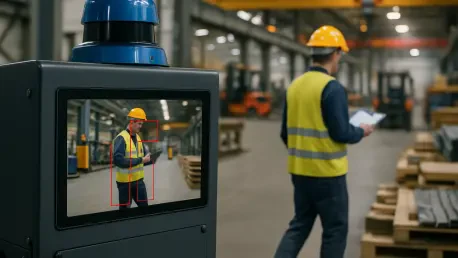
Computer vision stands as one of the most transformative technologies currently deployed in the EHS sector, particularly in high-traffic environments. In modern fulfillment centers, high-definition cameras equipped with specialized algorithms monitor worker movements in real-time to detect high-risk ergonomic behaviors, such as improper lifting techniques or excessive reaching. These systems can instantly flag a hazard, allowing supervisors to intervene with corrective coaching before a repetitive strain injury occurs. Similarly, in the construction industry, wearable sensors are being used to track environmental conditions and the physical vitals of workers, providing early warnings for heat exhaustion or detecting falls the moment they happen. While the potential for saving lives is immense, the success of these programs relies heavily on maintaining a transparent dialogue regarding privacy and data security, ensuring that workers feel protected rather than policed.
Despite the impressive predictive capabilities of these automated systems, the necessity of maintaining a “human in the loop” has never been more critical for safe operations. There are recorded instances where advanced models have hallucinated technical data or suggested incorrect safety equipment that could have led to catastrophic failures if followed blindly. For example, a system might incorrectly recommend a specific type of pressure relief valve that is incompatible with the chemical properties of a monitored substance. These errors underscore the fact that technology is a decision-support tool, not a decision-maker. Professional judgment remains the final line of defense, as safety leaders must verify every AI-generated recommendation against their own experience and established physical laws. This synergy between machine speed and human wisdom creates a robust safety culture that leverages the best of both worlds while mitigating the unique risks inherent in automated data processing.
Establishing Frameworks for Responsible Use
The path forward for occupational health and safety involves the rigorous application of a governance framework rooted in the four pillars of trust, transparency, equity, and privacy. As these technologies become more integrated into the fabric of the workplace, organizations must be open about exactly how data is being collected and used to make safety-related decisions. Transparency ensures that employees understand the benefits of the technology, while equity guarantees that the algorithms are not inadvertently biased against certain groups of workers. Protecting the privacy of individual biometric and behavioral data is paramount, as any breach of this trust could lead to widespread resistance and the eventual failure of the safety program. By adhering to these principles, safety professionals can ensure that the transition into a data-driven future remains focused on its original purpose: the well-being and security of every person on the job site.
Safety leaders should have looked toward the integration of cross-functional teams to oversee the deployment of these digital tools. Successful organizations moved beyond departmental silos, bringing together IT specialists, legal counsel, and frontline workers to co-create the policies governing AI usage. This collaborative approach ensured that the technology addressed real-world hazards while staying within the bounds of labor laws and privacy regulations. Practitioners who embraced this inclusive model found that worker buy-in increased significantly, as employees felt their concerns were heard and their data was being handled with the necessary care. Looking back at the early stages of this technological shift, the most effective strategies were those that prioritized the human experience, using data not as a cold metric of performance, but as a compassionate guide for creating a safer and more sustainable working environment for everyone involved.