
The arrival of severe winter weather often presents a chaotic environment where business leaders must balance the immediate physical safety of their workforce against the rigid technicalities of federal labor laws. While a sudden blizzard might halt transportation and freeze external operations, the legal obligations surrounding employee compensation and workplace maintenance do not thaw. Under the Occupational Safety and Health Act, the mandate for a hazard-free environment remains a non-negotiable priority that extends from the warehouse floor to the parking lot. At the same time, the Fair Labor Standards Act imposes strict rules regarding how staff must be paid when the lights go out or the doors are locked. Navigating this intersection requires more than just a shovel and a salt bag; it demands a sophisticated understanding of regulatory frameworks and a proactive strategy to maintain business continuity without incurring heavy legal liabilities or risking human health.
Mitigating Physical Risks on Premises
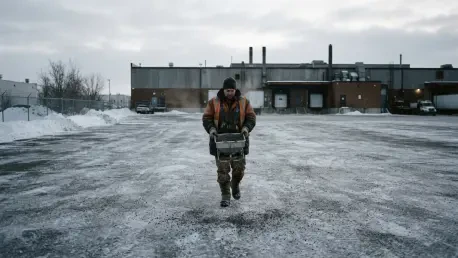
Safety in the workplace is governed by the General Duty Clause, which effectively requires employers to address any recognized hazards that could result in serious physical harm or death. During the winter months, this obligation manifests most visibly in the management of snow and ice accumulations on company property, including sidewalks, entryways, and parking areas. While an organization is generally not responsible for the hazards an employee faces during a private commute, the liability shifts the moment the individual enters the business perimeter. Slip-and-fall accidents represent a significant portion of seasonal workers’ compensation claims, making diligent maintenance a financial necessity as much as a legal one. Furthermore, mechanical safety takes center stage as companies must ensure that heating systems are functioning efficiently and that backup generators are positioned in well-ventilated outdoor areas to prevent carbon monoxide buildup.
Beyond the physical grounds, the safety of employees who must operate company-owned vehicles becomes a primary concern when temperatures drop below freezing. Management teams should verify that all fleet assets have undergone rigorous winterization, which includes checking tire treads, testing battery health, and confirming that antifreeze levels are sufficient for extreme conditions. Providing emergency kits within these vehicles—containing items such as blankets, flashlights, and traction mats—serves as a critical safeguard against unexpected roadside stranding. Additionally, supervisors are tasked with monitoring the physiological health of outdoor workers to prevent conditions such as frostbite or hypothermia. Training staff to recognize the early warning signs of cold-related stress ensures that immediate intervention can occur before a situation escalates into a medical emergency. This comprehensive approach to physical protection establishes a foundation of trust and demonstrates a clear commitment to the well-being of the workforce.
Navigating Fair Labor Standards Act Obligations
Compensation during inclement weather is largely dictated by the classification of workers under federal wage and hour regulations, which differentiate between exempt and nonexempt status. For nonexempt employees, the rule is typically straightforward: they are paid only for the hours they actually perform work. If a facility shuts down or a shift is canceled due to heavy snowfall, the employer is not legally mandated to provide pay for the lost time, though many companies allow the use of accrued vacation hours to mitigate the financial impact. This reality underscores the importance of having clear, written policies that explain how downtime is handled before a storm arrives. Discrepancies often arise when an employee reports for duty only to find the office closing early; in such cases, state-specific reporting pay laws might apply, requiring the employer to pay a minimum number of hours regardless of the actual duration of the shift or the weather conditions.
Forward-thinking organizations successfully mitigate the risks of winter disruptions by integrating flexible remote work policies with advanced communication technologies. They establish automated notification systems that utilize text and email alerts to inform staff of office closures well before the morning commute begins, thereby reducing the likelihood of travel-related accidents. These businesses also verify that their digital infrastructure can support a sudden influx of remote connections, ensuring that nonexempt employees record their hours accurately while working from home. When power outages occur, managers apply consistent standards, recognizing that while nonexempt pay stops during technical failures, exempt salaries remain protected by federal law. By reviewing safety protocols and updating payroll manuals during the autumn, companies create a resilient framework that prioritizes human life while maintaining legal compliance. These actions transform seasonal challenges into opportunities for demonstrating operational excellence.