
Sofia Khaira is a distinguished specialist in diversity, equity, and inclusion (DEI) with a career dedicated to refining talent management and fostering equitable work environments. As an HR expert navigating the shifting landscape of employment law, she provides critical oversight on how federal regulatory pivots impact the daily operations of modern businesses. In this conversation, we explore the challenges of maintaining inclusive cultures amidst rescinded federal guidances and a tightening immigration environment that has left many industries struggling to find the talent they need to survive.
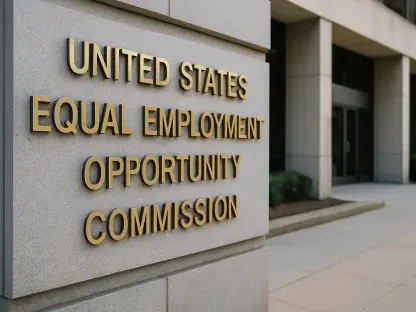
The EEOC recently rescinded its Biden-era workplace harassment guidance, which previously offered clear benchmarks for protecting transgender workers and those seeking reproductive healthcare. How has this loss of a federal “benchmark” changed your internal policy development, and what are you doing to maintain a safe environment?
The rescission of the EEOC guidance has certainly created a vacuum of clarity that many of my peers find unsettling. When federal agencies remove these benchmarks, it doesn’t change the underlying law, but it does leave employers guessing about how the commission will interpret Title VII during an investigation. To counter this, we aren’t waiting for a new federal “instruction manual”; instead, we are leaning heavily into the core principles of dignity and respect that have always anchored our internal handbooks. We continue to prioritize clear communication and robust reporting mechanisms so that every employee, regardless of their background or personal medical decisions, understands that harassment remains a strictly prohibited behavior in our workplace. By maintaining high internal standards that exceed the current federal minimums, we ensure our culture remains stable even when the political or regulatory winds shift.
With increased scrutiny on H-1B visas and the termination of temporary protected status for many workers, several industries are facing a “talent crunch.” Could you describe the real-world impact of these immigration shifts on operations and how organizations are attempting to fill those gaps?
The impact is palpable and, in some sectors like hospitality and construction, it has reached a breaking point where some restaurant groups have actually had to shut down operations because they simply cannot staff their shifts. We are seeing a situation where approximately 65% of employers report being affected by these immigration policy changes, leaving them without a “retinue of individuals” ready to step into these vital roles. To bridge this gap, we are seeing a significant shift toward internal upskilling and aggressive retention strategies to keep the talent we already have. It is a stressful period for managers who are forced to do more with less, often resulting in a creative but exhausting reorganization of labor just to keep the doors open. The “Project Firewall” initiatives have made the legal path for foreign workers so narrow that businesses are essentially forced to reinvent their entire recruitment pipelines from the ground up.
There is a reported rise in claims regarding religious discrimination and accommodations. What formal process have you established to evaluate these requests, and how do you navigate the “undue hardship” threshold to avoid litigation?
Religious discrimination has become a much more “fertile” area for litigation recently, necessitating a very disciplined and transparent approach to how we handle accommodation requests. We have established a formalized interactive process where each request is evaluated on an individual basis, moving away from “blanket” policies that often trigger legal challenges. When determining the “undue hardship” threshold, we look closely at the operational impact—examining whether an accommodation would significantly disrupt the safety or efficiency of the team—while maintaining a respectful dialogue with the employee. It is a delicate balancing act that requires our HR teams to be both empathetic and legally precise to ensure we are fostering a multi-faith environment without compromising the business’s core functions. Our goal is to find “doable and predictable” solutions that respect the worker’s conscience while keeping the organization moving forward.
Employers are currently caught between state laws that protect gender identity and a federal administration that may not recognize those same protections. How are you handling practical issues like facility access and documentation while reconciling these conflicting legal obligations?
This is one of the “thorniest” situations an HR professional can face, as we are effectively navigating a direct conflict between federal rhetoric and state mandates. While the federal administration may de-emphasize gender identity, we look to the Supreme Court’s decision in Bostock v. Clayton County as our primary guiding light, which confirmed that gender identity is protected under Title VII. In practice, this means we follow the more protective state and local laws—which have affected 9 in 10 respondents in recent surveys—to ensure we are meeting our legal obligations at every level. For issues like bathroom access or documentation, we prioritize practical, inclusive solutions that protect the privacy and dignity of all employees, ensuring our handbooks reflect a commitment to state compliance even when federal guidance is absent. We find that being proactive and transparent about these policies helps mitigate the “regulatory whiplash” that employees might otherwise feel.
Economic and regulatory uncertainty has led over a third of organizations to reduce headcounts or pause hiring recently. What metrics are you monitoring to determine when it is safe to grow again, and how are you protecting your current staff from burnout during this period?
The decision to resume recruitment is currently tied to a mix of economic stability markers and a decrease in the “regulatory churn” we’ve seen over the past few months. We are closely monitoring our internal “burnout metrics”—such as overtime hours, employee engagement scores, and turnover rates—to ensure that our current staff isn’t being pushed past their limits while we wait for the market to stabilize. When more than 30% of employers are pausing or reducing hiring, the workload naturally shifts to the remaining team members, which is why we are emphasizing workload redistribution and flexible scheduling. We want to ensure that when we do return to the talent market, we are doing so from a position of strength, having preserved our existing human capital through a period of intense pressure. It’s about being “predictable” in an unpredictable environment, ensuring that we don’t sacrifice the long-term health of our workforce for short-term cost savings.
What is your forecast for the future of workplace compliance and immigration policy?
I anticipate that the “state-federal divide” will only deepen, forcing employers to become experts in local legislation rather than relying on a unified federal standard. We will likely see continued aggressive enforcement in immigration, which will necessitate a total overhaul of how American businesses source and develop entry-level and specialized talent. In terms of DEI, the focus will shift from high-level agency “guidance” to grassroots, company-driven initiatives that are insulated from political cycles. Success in the coming years will belong to organizations that can remain agile, treating compliance not just as a legal hurdle, but as a core component of their talent retention strategy. Expect to see a rise in litigation around religious and identity-based protections as the courts continue to redefine the boundaries of the modern workplace.