
The rapid integration of sophisticated monitoring systems within industrial sectors has fundamentally altered how professionals perceive and mitigate the inherent dangers of the modern job site. In the past, safety protocols often functioned as a checklist of reactive measures triggered only after a significant failure or injury had occurred, creating a culture of perpetual catch-up. Today, the focus has shifted toward a proactive architecture where potential threats are identified and neutralized long before they can manifest into physical harm. This transformation is particularly vital as the definition of a hazardous workplace expands beyond the traditional confines of heavy manufacturing or high-voltage electrical work. Modern risks now encompass invisible stressors, ranging from prolonged exposure to subtle acoustic frequencies to the long-term physiological impact of poor ergonomic designs. By acknowledging that any unmonitored environment can quickly devolve into a hazardous zone, organizations have begun to deploy specialized technological interventions that prioritize the well-being of the worker as a primary operational metric. This transition marks a new era where safety is an integrated feature of design rather than a secondary addition.
Leveraging Predictive and Real-Time Data
Wearable sensor technology has evolved from simple pedometers into sophisticated life-saving devices capable of tracking heart rates, core body temperatures, and even the presence of volatile organic compounds in the immediate breathing zone. These devices, often integrated into standard personal protective equipment like smart helmets or vests, feed continuous streams of data into artificial intelligence engines that analyze patterns for signs of heat exhaustion or chemical exposure. For example, in deep-well mining operations, multi-gas detectors now offer wireless connectivity that relays atmospheric readings to a central command center in real time. If methane levels spike or oxygen concentrations dip, the system triggers an automated evacuation order via haptic feedback on the worker’s wrist. This level of immediate oversight removes the reliance on human intuition, which often fails in high-stress or oxygen-deprived situations where cognitive function is compromised. By utilizing these predictive analytics, safety officers can identify hot spots where recurring environmental fluctuations suggest a mechanical failure is imminent, allowing for maintenance before a rupture or leak ever happens.
Building upon the data gathered by hardware, the adoption of unified digital platforms has streamlined the way safety information is processed and shared across various organizational levels. Historically, safety logs were siloed in paper files or disconnected spreadsheets, making it nearly impossible to identify broad trends or correlate minor incidents across different shifts. Modern safety management systems, however, create a single source of truth by integrating incident reports, safety audits, and real-time sensor data into a dashboard accessible from any mobile device. This connectivity empowers workers on the shop floor to report near-misses or damaged equipment instantly by uploading photos and descriptions directly to the cloud. When a supervisor receives a notification of a frayed cable or a blocked fire exit, the system tracks the remediation process until the hazard is officially cleared. This digital transparency ensures that no safety concern is overlooked or buried in bureaucracy, fostering a sense of accountability. Furthermore, these platforms allow for the automated scheduling of recertification training, ensuring that every employee operating high-risk machinery possesses the most current and relevant safety knowledge available.
The Role of Robotics and Automation
Automation serves as the primary vanguard in removing human personnel from the most volatile and life-threatening environments found in modern industry. Robotic systems are now routinely deployed for high-risk tasks such as the decommissioning of nuclear facilities, the handling of hazardous chemical waste, or the execution of deep-sea pipeline repairs. By utilizing autonomous mobile robots equipped with high-definition cameras and LIDAR, companies can perform detailed structural inspections in confined spaces that would be physically impossible or prohibitively dangerous for a human to enter. This strategy of hazard isolation ensures that even if a catastrophic failure occurs during a demolition process or an underground blast, the only loss incurred is mechanical rather than human. These machines are designed to withstand extreme temperatures and corrosive atmospheres that would instantly overwhelm traditional protective gear. As these robotic systems become more affordable and versatile, even smaller-scale operations are integrating automated guided vehicles to transport heavy loads across warehouse floors. This shift significantly reduces the probability of forklift-related collisions and structural damage, which remain leading causes of workplace fatalities in the logistics sector.
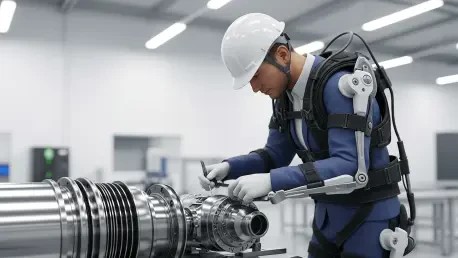
Beyond full autonomy, the rise of teleoperation has enabled skilled technicians to perform complex maneuvers from the safety of a climate-controlled control room miles away from the hazard site. Remote-controlled excavators and drones allow operators to navigate unstable terrain or inspect high-tension power lines without ever leaving the ground or risking a fall from height. This technological buffer is especially critical in the oil and gas industry, where pressure testing and valve adjustments often take place in environments prone to sudden bursts or fires. Simultaneously, technology is addressing the slower, more insidious threats of repetitive strain and chronic ergonomic injuries through the use of exoskeletons and precision-engineered tools. Wearable exosuits provide mechanical assistance to the lumbar region and shoulders, neutralizing the physical toll of repetitive lifting or overhead assembly work. By redistributing the weight and reducing muscle fatigue, these devices prevent the long-term degradation of the musculoskeletal system that often leads to permanent disability. This dual approach of using heavy robotics for acute dangers and wearable assistance for chronic strain ensures a comprehensive safety net for the entire workforce, regardless of their specific role.
Building a Framework for Proactive Protection
Technology functions as an effective tool only when it is integrated into a corporate culture that values safety as a fundamental pillar of operational success. Organizations are moving away from a model of strict compliance and toward an environment where every employee feels a shared responsibility for the collective well-being of the team. This shift is facilitated by digital reporting tools that incentivize the documentation of near-misses, which are incidents that could have resulted in injury but did not due to chance. By analyzing the data behind these close calls, companies can identify systemic flaws in their workflows and implement corrections before a tragic accident occurs. This proactive stance helps to prevent safety desensitization, a phenomenon where workers become so accustomed to daily risks that they begin to ignore standard protocols. Modern training modules also utilize augmented reality to simulate high-stress emergency scenarios, allowing workers to practice their response to a fire or a chemical spill in a safe, controlled environment. This immersive learning ensures that when a real crisis arises, the workforce reacts with the muscle memory and calm required to minimize damage and ensure a safe evacuation for all personnel involved.
The foundation of a technologically advanced safety program rests upon a framework commonly referred to as the “3 Cs,” which are competence, communication, and commitment. Competence is ensured through the use of digital certification tracking and interactive training platforms that adapt to the individual learning pace of each worker. Communication is enhanced by integrated communication headsets and real-time translation software that allow diverse teams to coordinate effectively in noisy or complex environments. Commitment originates from the leadership level, where management uses data-driven insights to justify investments in the latest safety gear and robotic interventions. By categorizing risks into distinct tiers—such as physical, chemical, ergonomic, and psychosocial—businesses can apply specific technological solutions to the unique challenges presented by each category. For instance, psychosocial risks like worker fatigue are now monitored through wearable biometrics that alert supervisors when a driver or heavy machinery operator requires a mandatory rest break. This holistic approach ensures that safety is not treated as a peripheral concern but is instead woven into the very fabric of the production process, creating a sustainable model for long-term industrial growth and worker protection.
Strategic Outcomes: Future Considerations and Implementation
The successful implementation of these advanced safety technologies required a significant departure from traditional management styles that prioritized short-term output over long-term worker health. Organizations that thrived were those that embraced a data-centric philosophy, using every sensor reading and incident report to refine their operational strategies. They recognized that the initial cost of robotic automation and wearable sensors was far outweighed by the reduction in insurance premiums, legal liabilities, and lost productivity associated with workplace injuries. To maintain this momentum, leadership teams prioritized the continuous evaluation of new emerging tools, ensuring their safety protocols remained as dynamic as the risks they were designed to combat. They also fostered a transparent environment where feedback from the front lines directly influenced the procurement of new safety hardware. Moving forward, the focus remained on the seamless integration of human intuition with machine precision, ensuring that technology served as an enhancer of human capability. Future efforts were directed toward establishing industry-wide standards for data interoperability to allow different safety systems to communicate flawlessly. By maintaining this commitment to technological innovation and cultural accountability, industries ensured a safer and more resilient environment for every worker.
The evolution of workplace safety protocols demonstrated that the most effective solutions were those that balanced technical complexity with user accessibility. Engineers and safety professionals worked in tandem to ensure that new tools did not become a burden to the workers they were meant to protect. This collaborative approach led to the development of more intuitive interfaces and lightweight equipment that supported natural movement rather than hindering it. Furthermore, the industry-wide shift toward predictive modeling allowed for a more nuanced understanding of how environmental factors intersected with human behavior. By analyzing the long-term data sets generated by these systems, businesses developed more effective rest schedules and localized climate controls that targeted the root causes of fatigue and heat stress. These historical advancements laid the groundwork for a standardized approach to hazard mitigation that redefined global industrial safety. Ultimately, the integration of these technologies proved that a zero-incident workplace was a practical possibility through the sustained application of innovation and data analysis.