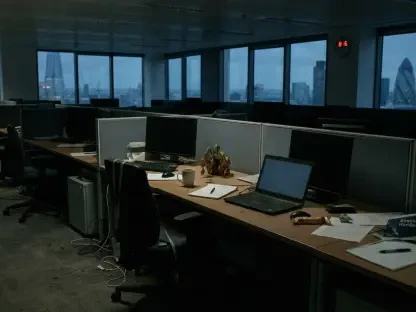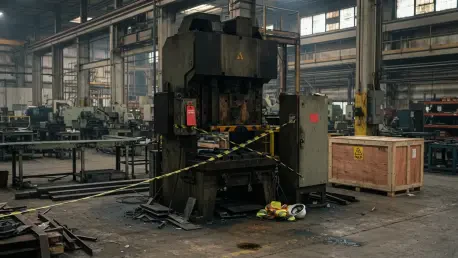

By January 1, 2028, even small enterprises with fewer than 50 workers will be subject to the same stringent financial penalties for neglecting safety assessments. This expansion of the regulatory framework signals a major transition in South Korea’s industrial policy, moving away from a tiered system of responsibility toward a universal standard for all employers. Currently, in 2026, the focus has intensified on ensuring that mid-sized firms have successfully integrated these protocols to avoid the substantial financial burdens that non-compliance now carries. The Ministry of Employment and Labor has highlighted that the previous leniency for smaller operations often resulted in higher injury rates, a discrepancy that the current mandates aim to rectify before the final 2028 deadline. By standardizing the requirements for risk assessment, the government seeks to create a uniform culture of safety where the size of a company no longer dictates the level of protection afforded to its workers. This policy effectively serves as a cornerstone for modernizing the labor market and fostering a more equitable environment for everyone.
Economic and Operational Shifts: Navigating the New Mandates
Financial Penalties: Scaling the Cost of Non-Compliance
The enforcement mechanism for these new safety regulations relies on a progressive fine structure designed to punish persistent negligence. For workplaces with 50 or more full-time employees, the financial stakes are already quite high, with a first-time violation for failing to conduct a risk assessment resulting in a fine of 5 million won. This amount translates to approximately 3,730 dollars, a sum that serves as a significant warning to management. If a second violation occurs, the penalty increases to 7 million won, eventually reaching a maximum of 10 million won for a third offense. This tiered approach is specifically intended to prevent organizations from treating safety fines as a routine operating expense. By escalating the costs, regulators are ensuring that the expense of compliance is far lower than the price of repeated failure. This fiscal pressure is part of a broader strategy to ensure that safety assessments are viewed as a mandatory operational core rather than an optional administrative task or a minor bureaucratic hurdle.
Beyond simple headcount metrics, the new regulations apply strictly to the construction industry, where projects valued at 5 billion won or more are held to the same rigorous standards as large permanent facilities. This sector-specific focus recognizes the inherently high-risk nature of major building projects and the transient workforce often associated with them. The current progress from 2026 to 2028 involves a heavy emphasis on auditing these high-value sites to ensure that risk assessments are not only conducted but are also comprehensive in scope. Regulators have shifted their focus from examining whether paperwork exists to evaluating the quality and depth of the assessments themselves. This means that a cursory checklist will no longer suffice to avoid financial repercussions. Management must now demonstrate that they have actively identified site-specific dangers, such as unstable scaffolding or electrical hazards, and implemented concrete steps to protect workers from injury during the entire project duration, ensuring safety remains a top priority.
Practical Implementation: Timing and Workforce Participation
A fundamental change in the updated safety guidelines is the requirement for “pre-work” assessments, which mandates that all evaluations must be finalized before any actual labor commences. In the past, businesses were permitted a one-month window after starting operations to begin their safety reviews, a gap that often led to preventable accidents during the initial setup phases. This loophole has been closed, and the requirement now extends to ad hoc assessments triggered by any significant change in equipment, materials, or operating conditions. Furthermore, the frequency of these reviews has been tightened to a strict annual requirement, moving away from previous vague suggestions of periodic oversight. Employers are now legally obligated to include worker representatives in the assessment process if requested, ensuring that those who face daily hazards have a direct voice in identifying them. Failure to involve labor or share results can lead to additional fines reaching up to 5 million won, further emphasizing the need for inclusivity.
The Ministry of Employment and Labor successfully implemented a collaborative framework that allowed primary contractors and subcontractors to conduct joint risk assessments. This approach was essential for managing the shared risks associated with specialized machinery and heavy equipment, which were frequently operated by subcontracted labor. To aid this transition, the government developed mobile-based assessment tools and distributed comprehensive handbooks that simplified the reporting process for diverse industries. These resources ensured that even firms with limited administrative staff could maintain high safety standards without being overwhelmed by paperwork. Moving forward, the emphasis should have remained on using these digital platforms to maintain real-time safety data and foster continuous communication between management and the workforce. The transition period proved that integrating technology with participatory safety protocols was the most effective way to reduce workplace injuries. Organizations successfully achieved a more resilient foundation for protection and operational stability.