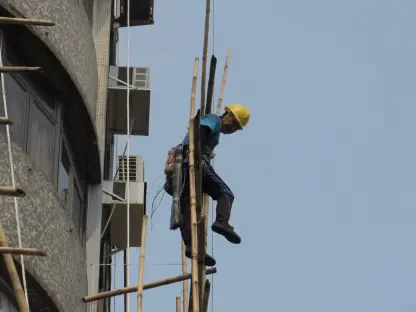

Mlizane’s death highlights a broader narrative of corporate unaccountability within the country’s rapidly expanding manufacturing and mining sectors. The tragic incident occurred on October 30, 2026, when Tinashe Mlizane, a young maintenance worker at an industrial site in Mberengwa, was fatally crushed by a conveyor belt system. Witnesses indicate that the young man was performing routine maintenance tasks when the heavy machinery unexpectedly claimed his life, sparking an immediate and intense national debate about the true price of foreign direct investment. While the Zimbabwean government has aggressively courted international capital to revitalize its economy, the recurring nature of such tragedies suggests that the regulatory framework designed to protect the workforce is failing to keep pace with rapid industrialization. The tension between the need for economic rejuvenation and the fundamental right to a safe workplace has never been more apparent than in the aftermath of this gruesome fatality in the Midlands province.
Industrial Negligence: The High Cost of Productivity
Whistleblowers and colleagues of the deceased have come forward with chilling accounts of the conditions leading up to the accident, alleging that Mlizane was instructed by his supervisors to clean a moving conveyor belt using only a shovel. This practice, which flagrantly violates standard industrial safety protocols, was reportedly mandated to prevent downtime in production cycles. Furthermore, reports have surfaced indicating that the facility lacked functional emergency stop mechanisms, which could have potentially saved the worker’s life had they been operational and accessible. This specific case highlights a disturbing trend where foreign-owned enterprises, particularly those in the cement and mining sectors like Nald Line or Diamond Cement, prioritize mechanical throughput over the physical integrity of their employees. By bypassing essential safety procedures and failing to invest in modern automated cleaning systems, these firms operate under a shadow of gross negligence that treats human labor as a disposable resource in the pursuit of profit.
Beyond the immediate cause of the accident, there is a systemic lack of personal protective equipment (PPE) that leaves workers vulnerable to various occupational hazards on a daily basis. Employees have frequently complained about the absence of safety helmets, reinforced boots, and high-visibility clothing, which are basic requirements in any high-risk industrial environment. Instead of providing these life-saving tools, some firms have been accused of providing irrelevant items while ignoring requests for actual protective gear. This disregard for safety is compounded by a culture of intimidation, where workers who voice concerns about hazardous conditions are met with the threat of arbitrary dismissal. In such an environment, the power imbalance between management and the local workforce becomes a barrier to any meaningful improvement in safety standards. The fear of losing one’s livelihood often outweighs the instinct for self-preservation, leading to a silent acceptance of risks that would be considered intolerable in other jurisdictions around the world.
Institutional Reform: Strengthening Labor Protections
The tragedy in Mberengwa is not an isolated event but rather part of a documented history of labor rights violations within foreign-managed sectors in Zimbabwe. Previous assessments, including the 2025 petition by the National Mine Workers Union, have highlighted a consistent pattern of physical abuse, underpayment, and the deliberate concealment of workplace injuries to avoid scrutiny from labor inspectors. Despite the existence of the 2023 U.S. Department of State reports detailing these abuses, effective enforcement remains a significant challenge for local authorities. The complexity of identifying corporate ownership, with firms often operating under multiple names such as Livetouch or various subsidiaries, further complicates the process of holding specific individuals accountable. Without a transparent and rigorous inspection regime, these companies continue to operate with a degree of impunity that undermines the very labor laws designed to protect Zimbabwean citizens. The gap between legislative intent and the reality on the ground continues to widen.
The resolution of these deep-seated issues required a fundamental shift in how the state balanced economic interests with its duty to protect its citizens. To prevent further loss of life, the Zimbabwean government needed to implement a zero-tolerance policy toward safety violations, backed by the power to revoke the operating licenses of repeat offenders. Strengthening the capacity of labor unions to conduct independent safety audits and providing them with legal protections served as a critical check on corporate power. Additionally, the establishment of a centralized, transparent registry for foreign-owned firms was necessary to ensure that accountability could be traced through complex corporate structures. Moving forward, the focus had to transition from merely attracting investment to ensuring that such investment was ethical and sustainable. By mandating international safety certifications as a prerequisite for operating permits, the nation ensured that its industrial growth did not come at the cost of human lives in the years following the crisis.