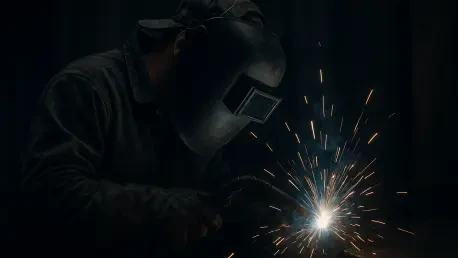

Reverse headband certification now allows professionals to safely orient their hats backward to accommodate welding hoods or improve upward visibility. This specific advancement represents a broader shift in the industrial sector toward a more nuanced understanding of protective equipment. As of 2026, the focus has moved beyond simple technical compliance with the CSA Z94.1-15 (R2020) standard to include the human elements of safety, such as comfort and practical utility. For many years, the rigid application of safety rules often ignored the physical realities of the workplace, leading to a culture where gear was viewed as a burden rather than a life-saving tool. Today, safety managers recognize that the most sophisticated engineering is only effective if the equipment is consistently and correctly utilized by the workforce. By prioritizing a holistic approach that balances high-performance standards with individual user needs, organizations are finally bridging the gap between theoretical protection and real-world application on the job site.
Sustaining Protection: Rigorous Inspection Protocols and Environmental Resilience
Maintaining the structural integrity of industrial headwear requires a disciplined commitment to daily inspection routines that go beyond a cursory glance. Every professional must conduct a thorough visual and tactile assessment of the outer shell, internal liner, and the suspension system before beginning their shift. This proactive approach identifies critical defects such as micro-cracks, dents, or deep abrasions that could compromise the hat’s ability to distribute the energy of an impact. It is important to remember that the suspension system is just as vital as the shell; if the plastic tabs are brittle or the webbing is frayed, the hat loses its ability to protect the wearer’s skull from the force of a blow. Workers are encouraged to physically flex the shell and check the mounting points of the suspension to ensure everything remains securely in place. By institutionalizing these checks, companies create a first line of defense that prevents damaged or expired equipment from ever reaching the field.
Environmental stressors serve as a silent but potent enemy of plastic components, often degrading the safety properties of a hard hat without leaving obvious signs of damage. Prolonged exposure to intense ultraviolet radiation from the sun, extreme temperature fluctuations, and contact with harsh industrial chemicals can lead to a process known as embrittlement. As of 2026, safety protocols increasingly emphasize the identification of these subtle changes, such as a dull or chalky appearance on the surface of the shell. When a hard hat loses its natural gloss or feels significantly less flexible than when it was first issued, the molecular structure of the material has likely been compromised. Continuing to use such equipment in high-risk environments is a dangerous gamble, as a brittle shell can shatter upon impact instead of absorbing energy. Replacing equipment at the first sign of chemical or environmental degradation is an essential practice for maintaining a high safety standard across the entire workforce.
The Compliance Gap: Solving the Human Factor of Safety
A significant challenge in modern safety management is the documented discrepancy between the availability of personal protective equipment and its correct application. Research from groups like the International Safety Equipment Association indicates that across many high-risk industries, a remarkably low percentage of workers wear their head protection correctly at all times. This compliance gap is rarely a result of defiance; rather, it is often a practical response to poorly fitting equipment. When a hard hat is unstable or causes pressure points, a worker is far more likely to tilt it back, wear it loosely, or remove it entirely when they believe the immediate risk is low. These minor adjustments can have catastrophic consequences, as even a slight shift in the position of a hard hat can render its impact-absorbing features ineffective. Understanding the psychology of the user is now considered just as important as understanding the physics of an impact.
The concept of fit has evolved into a central focus for safety professionals because it is the primary driver of consistent usage. Because every worker has a unique head shape and may need to accommodate different hairstyles or auxiliary equipment like hearing protection, a one-size-fits-all approach is no longer effective. Modern designs prioritize adjustable suspension systems and breathable materials to ensure that the equipment remains a safeguard rather than a distraction. When comfort is prioritized, the likelihood of a worker removing or incorrectly wearing their gear decreases significantly. This shift toward ergonomic excellence acknowledges that the workforce is diverse and that safety gear must be adaptable to different physical requirements. By providing equipment that feels like a natural extension of the body rather than a forced attachment, companies can drastically improve compliance rates and ensure that every individual is protected from the start of the shift to the end.
Multi-Functional Systems: Balancing Utility and Ergonomic Stability
As industrial environments become more technically complex, head protection is evolving into a versatile platform for integrated safety technologies. Employers are increasingly seeking systems that can seamlessly host face shields, communication headsets, and even smart sensors designed to monitor environmental hazards. However, adding these features introduces a new challenge: managing the weight and balance of the hat. Designers must carefully calibrate the center of gravity to prevent chronic neck strain and ensure that the additional equipment does not cause the hat to shift out of its protective position during vigorous movement. A hat that becomes front-heavy due to a mounted lamp or shield is likely to be adjusted by the wearer in ways that compromise safety. This requires a sophisticated engineering approach where the entire system is tested as a single unit to maintain the stability and protection required by modern safety standards.
To better accommodate the specific needs of different trades, manufacturers have introduced specialized designs such as peakless hats and reverse headband certification. Many workers traditionally wore their hats backward to improve their upward field of vision or to fit welding masks, which used to be a major safety violation in most jurisdictions. Today, innovative suspension systems allow for safe, certified reverse wear at no extra cost, providing a compliant solution for specialized tasks. Additionally, peakless models are becoming the standard for those working in tight spaces or tasks requiring a constant upward line of sight, such as tower climbing or structural assembly. These designs eliminate the obstruction caused by a traditional brim without sacrificing the core protective capabilities of the hat. This evolution in design ensures that workers no longer have to choose between their ability to see the task at hand and their personal safety.
Lateral Defense: The Shift Toward Comprehensive Impact Resistance
Choosing between Type 1 and Type 2 head protection is a critical step in a modern risk assessment, especially as work environments become more crowded and complex. While Type 1 hats are designed primarily to protect the crown from falling objects, Type 2 models include specialized foam liners that provide essential lateral protection against impacts to the front, back, and sides of the head. Historically, Type 2 hats were often criticized for being bulky and heavy, but advancements in material science over the last decade have made them much more streamlined and comfortable. This shift allows companies to provide higher levels of protection without sacrificing the mobility or comfort of the workforce. As more organizations recognize the high frequency of lateral impacts in construction and manufacturing, the adoption of Type 2 protection has become a benchmark for those committed to a superior safety culture.
Retention systems, particularly high-quality chin straps, are also seeing a major change in how they are implemented across diverse industrial sites. While not always mandated by broad national standards, they are becoming essential for workers at heights or in environments where a hat falling off could create a dropped object hazard for those working below. This move toward specialized, task-oriented protocols reflects a more sophisticated approach to hazard mitigation. Rather than applying a single rule to every worker regardless of their role, safety managers are now selecting retention systems based on the specific risks present on each site. Whether it is a four-point chin strap for a high-rise project or a simple ratchet system for ground-level work, the goal is to ensure the hat stays in place during a fall or a sudden movement. This targeted approach ensures maximum safety while respecting the practical needs of the individual worker.
Collaborative Selection: Modernized Procurement and Standards
The process of selecting and purchasing head protection is moving away from a focus on the lowest price toward a more collaborative and strategic investment. When procurement is handled solely by corporate leadership without input from the field, the resulting gear often fails to meet the ergonomic needs of the people wearing it. By involving frontline workers in the selection process and consulting with manufacturers on technical specifications, organizations can ensure they are buying equipment that will actually be used. This collaborative approach views high-quality gear as a long-term investment in injury prevention and workforce morale rather than a recurring expense to be minimized. When workers feel that their comfort and professional needs are valued during the selection process, they are more likely to take ownership of their personal safety and respect the protocols established by the company.
At the regulatory level, there is a strong push to modernize and harmonize safety standards to reflect the realities of a more diverse modern workforce. Updated regulations are moving away from outdated benchmarks and toward inclusive standards that account for different body sizes, shapes, and cultural requirements. In regions like Canada, this includes a renewed focus on ensuring that a qualified person properly fits the gear to each individual worker, rather than simply handing out equipment from a box. This regulatory shift acknowledges that universal protection can only be achieved when equipment is tailored to the diverse physical requirements of the modern industrial population. By embracing these modernized standards, the industry is moving toward a future where safety is not just a set of rules to follow, but a personalized and highly effective system of protection that supports the health and productivity of every worker.
Implementation: A New Paradigm for Workplace Safety
The industry successfully transitioned toward a more comprehensive model of head protection that prioritized the individual needs of every worker. Safety leaders recognized that the path to zero injuries required more than just the procurement of high-quality gear; it demanded a culture of continuous improvement and feedback. By integrating advanced materials, smart technologies, and inclusive design standards, organizations effectively reduced the barriers to compliance. The adoption of Type 2 protection and specialized retention systems became the standard for high-risk environments, ensuring that lateral impacts and falls no longer resulted in catastrophic injuries. Moving forward, the lessons learned from this modernization process provided a blueprint for other areas of personal protective equipment. The commitment to proper fit and rigorous maintenance protocols ultimately saved lives and reinforced the importance of valuing human ergonomics as a central pillar of workplace safety.