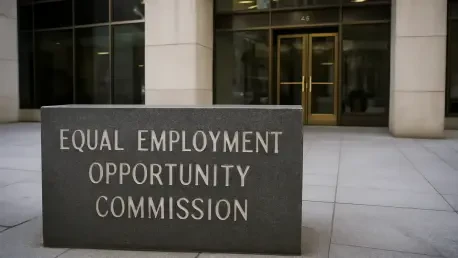

Sofia Khaira brings a sophisticated perspective to the intersection of civil rights law and corporate equity, having spent her career advising organizations on how to build transparent and inclusive management systems. As an expert in diversity, equity, and inclusion, she closely monitors the regulatory shifts of federal agencies like the Equal Employment Opportunity Commission to ensure that talent development remains fair for all. In this discussion, we explore the legal tension arising from the NAACP’s recent lawsuit against the EEOC, focusing on allegations of administrative stalling, the controversy surrounding the solicitation of discrimination charges from majority groups, and the broader implications for transparency in government data.
When a federal agency denies a fee waiver and pauses a records search based on a perceived lack of specificity, how does that impact the legal timeline and the public’s right to information?
The procedural gears of federal bureaucracy can often feel like a deliberate wall when a high-stakes request is placed on hold. In this specific case, the NAACP filed its Freedom of Information Act request on March 9, seeking eight distinct categories of records that could shed light on the agency’s internal shifts. By denying the fee waiver and insisting on a search fee estimate, the EEOC effectively sidelined the request, leading the NAACP to allege that the agency is using these administrative hurdles to delay and obstruct access to vital public interest documents. The NAACP had to file an appeal on June 3 to argue that their request was made solely for transparency and government accountability, but the silence from the agency since then has forced the matter into the courtroom. It is a frustrating situation for any advocacy group because these delays can hide the immediate impact of policy changes until the data is already months or years old.
What specific events led the NAACP to believe that the EEOC might be administering its charge-handling functions differently based on race and sex?
The catalyst for this legal action was deeply rooted in actions taken by Chair Andrea Lucas last December, when she began soliciting discrimination charges specifically from White men. This move sent shockwaves through the civil rights community and sparked intense media scrutiny regarding whether the federal agency charged with protecting all workers was shifting its focus. The NAACP expressed significant concerns that this solicitation could indicate a departure from the agency’s traditional mission of protecting those historically marginalized in the workplace. This event raised pressing questions about whether the EEOC’s internal mechanisms were being recalibrated to prioritize majority-group complaints over others. By seeking internal communications and data on how charges are handled, the NAACP is trying to determine if the agency’s “aperture” is widening at the expense of the very groups it was originally designed to protect.
The records request specifically mentions the number of charges coded with “DEI” and communications regarding the solicitation of certain claims; why is this specific data so critical for the NAACP’s case?
The demand for these eight categories of records is an attempt to pull back the curtain on how the EEOC is internally categorizing and prioritizing modern workplace disputes. If the NAACP can see exactly how many charges are being tagged with the “DEI” label, they can identify trends in how the agency is responding to the current political climate surrounding diversity initiatives. They are also looking for modifications to the types of data the agency collects, which could reveal a structural shift in how discrimination is defined or tracked at the federal level. Without this information, the public is left guessing about the motivations behind high-profile lawsuits, such as the one recently filed against The New York Times. Obtaining these records within the 20-day window requested from the court would provide the clarity needed to hold the agency accountable for its mandate.
How do you interpret the EEOC’s recent characterization of their shift as a “widening” of the agency’s aperture, especially in light of the lawsuit involving The New York Times?
The terminology used by Chair Andrea Lucas suggests a strategic rebalancing, but it has clearly drawn sharp criticism from former leaders of the agency who see it as a political pivot. Lucas pointed out in May that the agency had not recovered a single dollar for a White man facing discrimination in over a decade, using that statistic to justify a more aggressive approach to majority-group complaints. This philosophy manifested in the lawsuit against The New York Times, where the EEOC alleged a White male was passed over for a promotion in favor of a woman of color. While the agency sees this as addressing a long-overlooked gap in enforcement, critics like the NAACP view it as a distraction from systemic issues that continue to affect minority populations. It creates a high-tension environment where every hiring decision at a major media company or corporation could potentially become a federal case under this “widened” lens.
What is your forecast for the future of federal oversight regarding workplace discrimination?
I expect we are entering a period of prolonged legal volatility where the definition of “protected classes” will be tested in ways we haven’t seen in decades. The EEOC’s current trajectory suggests a more aggressive stance on behalf of majority-group plaintiffs, which will likely result in more high-profile litigation against major employers who have robust DEI programs. This shift will force companies to be incredibly meticulous in their documentation of hiring and promotion decisions to prove they are choosing the most qualified candidates regardless of race or gender. Ultimately, the outcome of the NAACP’s lawsuit will be a turning point; if the court orders the EEOC to release those records, the resulting data could either validate the agency’s new direction or provide the evidence needed for a major legislative or administrative course correction. In either scenario, the era of quiet, behind-the-scenes charge-handling is over, and we should prepare for a very public debate over the soul of American employment law.