
The staggering reality of occupational safety in Great Britain remains a critical concern as fall-related incidents continue to dominate the statistics for preventable workplace fatalities across diverse industrial sectors. This week, the No Falls Foundation has launched a comprehensive national initiative designed to confront these persistent dangers through an intensive campaign of education and resource distribution. By focusing on the underlying causes of height-related accidents, the movement seeks to transform high-risk environments into models of safety excellence. The current landscape is marked by a sobering realization that despite technological advancements in safety gear, human error and inadequate training protocols remain the primary drivers of life-altering injuries. This initiative serves as a pivotal moment for employers to re-evaluate their internal procedures and commit to a rigorous standard of protection for every worker, regardless of their specific role or level of experience.
The Magnitude of Industrial Risks: Sector Specific Vulnerabilities
Statistical Insights: The Cost of Gravity in the Workplace
Recent data from the Health and Safety Executive illustrates a grim picture of the hazards facing the modern workforce, with thirty-five individuals losing their lives due to falls within the recent reporting period. This figure represents more than a quarter of all workplace deaths, signaling a systemic failure to mitigate height-related risks effectively. While construction has historically been viewed as the most dangerous field, the agricultural, forestry, and fishing sectors have emerged as significant areas of concern, recording twenty-three fatalities in the same timeframe. These numbers are not merely statistics; they represent families devastated and communities impacted by avoidable tragedies. The economic burden is equally staggering, as workplace injuries and ill health have drained an estimated twenty-two point nine billion pounds from the British economy between 2026 and 2027. Millions of working days are lost annually, creating a ripple effect of productivity disruptions that hinder national economic growth and strain the public health system.
Beyond the immediate tragedy of fatal incidents, the prevalence of non-fatal injuries underscores a pervasive issue with floor-level safety and environment maintenance. Slips, trips, and falls on the same level account for thirty percent of all reported non-fatal accidents, yet safety specialists suggest these figures are likely underreported due to a culture of silence in many industrial settings. The financial implications of these incidents extend far beyond initial medical costs, involving long-term rehabilitation, legal fees, and increased insurance premiums for organizations. This economic drain highlights the necessity for a more proactive approach to risk management that prioritizes prevention over reaction. By analyzing the current data, it becomes clear that the current safety infrastructure requires a significant overhaul to address both high-altitude dangers and the seemingly mundane risks found on the workshop floor. Addressing these disparities is essential for building a more resilient and sustainable industrial workforce capable of meeting modern production demands safely.
The Agricultural Crisis: Navigating Rural Danger Zones
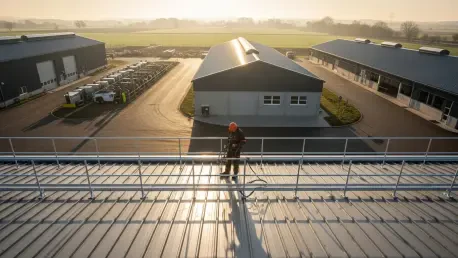
The agricultural sector faces a unique set of challenges that contribute to its high fatality rate, often involving maintenance tasks on grain stores, livestock buildings, and the frequent use of ladders. Rural work environments are inherently unpredictable, characterized by uneven terrain, isolated working conditions, and the need to operate in adverse weather conditions that increase the risk of slips. Workers often find themselves performing high-risk maneuvers without immediate supervision or the safety net of team-based support systems found in more urbanized industries. This isolation means that a minor misstep can quickly escalate into a life-threatening situation if emergency assistance is not readily available. Furthermore, the reliance on aging infrastructure in many farming operations creates hidden hazards, such as fragile roofing materials or unstable platforms, which may not be immediately apparent to even the most experienced laborers. These factors combine to create a volatile environment where safety must be managed with extreme precision.
To combat these specific risks, the current campaign provides specialized training modules and case studies tailored to the nuances of rural labor. Organizations like SSG emphasize that competence is the primary defense against the physical hazards of wet floors, poor lighting, and trailing cables that plague many farm buildings. Promoting a shift in workplace culture means moving beyond the mere identification of risks toward a comprehensive strategy of active prevention and continuous monitoring. Training must be accessible and practical, ensuring that every individual on a farm understands how to properly secure a ladder or inspect a harness before use. By fostering an environment where safety protocols are seen as essential tools rather than bureaucratic hurdles, the agricultural community can begin to reduce the frequency of these devastating falls. The integration of modern safety technologies, such as digital risk assessment apps and wearable sensors, can also provide an additional layer of protection for workers navigating the complex landscapes of British farms.
Strategic Responses: Implementing Long-Term Safety Solutions
Proactive Management: Cultivating a Culture of Competence
The synthesis of safety findings suggests that a significant portion of life-altering incidents could be eliminated through improved training and the standardization of safety protocols. It is no longer sufficient to provide equipment; employers must ensure that their staff possesses the knowledge and confidence to use that equipment correctly in high-pressure situations. This involves a shift from a reactive mindset to a proactive culture where every employee feels empowered to halt work if they identify a potential hazard. Safety specialists advocate for a “top-down” approach, where senior management actively participates in safety drills and demonstrates a commitment to the highest standards of care. When leadership prioritizes safety, it sends a clear message throughout the organization that human life is the most valuable asset on the job site. This cultural shift is essential for breaking the cycle of underreporting and ensuring that every near-miss is analyzed as an opportunity for improvement.
Furthermore, the introduction of peer-to-peer mentoring programs can help bridge the gap between seasoned professionals and new recruits who may be less familiar with specific site hazards. Experienced workers can offer invaluable insights into the practical realities of maintaining safety while meeting production targets, helping to foster a collaborative atmosphere. Organizations are also encouraged to adopt rigorous inspection schedules for all height-related gear, utilizing digital tracking systems to ensure that maintenance is never overlooked. By integrating these practices into the daily routine, safety becomes an inherent part of the job rather than an additional task to be completed. The focus must remain on the human element of safety, recognizing that even the most advanced systems are only as effective as the people who operate them. Through consistent reinforcement and a commitment to ongoing education, the industry can create a sustainable framework for reducing the incidence of workplace falls and protecting the long-term health of the workforce.
Actionable Progress: Future Standards for Workplace Protection
Stakeholders across the industrial landscape identified the immediate need for a unified approach to fall prevention that integrated both physical safeguards and psychological readiness. The implementation of enhanced training programs focused on the specific mechanics of height-related tasks provided workers with the necessary tools to navigate dangerous environments with greater precision. It was recommended that companies transition toward automated risk assessment tools that utilized real-time data to identify hazardous conditions before they resulted in an accident. Furthermore, the adoption of standardized safety audits across the agricultural and construction sectors allowed for a more consistent application of best practices, reducing the variability that often led to fatal errors. This proactive stance on safety management required a significant investment in both time and financial resources, but the long-term benefits in terms of lives saved and productivity maintained were undeniable. Leaders within the industry recognized that the path to zero fatalities depended on the continuous evolution of safety standards and the unwavering commitment of every individual.
Moving forward, the focus shifted toward the integration of advanced materials and smart technology into personal protective equipment to provide an even higher level of security. Innovations such as fall-arrest systems with built-in communication devices and impact-absorbing flooring for high-traffic areas became more common in modern industrial facilities. The move toward a more transparent reporting system encouraged employees to share their experiences and suggest improvements without fear of reprisal, leading to a more robust understanding of workplace hazards. By addressing the root causes of falls and slips, the professional community established a more resilient foundation for future growth and development. The lessons learned during this period of intense safety awareness served as a blueprint for other sectors looking to improve their own safety records. Ultimately, the transition to a more comprehensive and proactive safety model ensured that the protection of the worker remained at the forefront of every industrial endeavor, fostering a safer and more efficient workplace for everyone involved.