
Fatigue resulting from staffing shortages often compromises worker judgment and leads to rushed actions that bypass critical safety protocols. In the competitive landscape of 2026, pizzerias face an uphill battle against rising operational costs and thin profit margins. A single workplace injury does not just result in a temporary absence; it triggers a cascade of financial consequences, including medical expenses, legal fees, and significant spikes in workers’ compensation premiums. To remain viable, restaurant operators must transition from a reactive mindset to a proactive safety culture that treats risk management as a core business function. This shift requires a deep understanding of the unique hazards present in a high-heat, fast-paced kitchen environment. By integrating safety into the daily workflow, owners can protect their most valuable assets while simultaneously safeguarding the long-term profitability of the establishment. This strategic approach transforms safety from a regulatory burden into a competitive advantage in the modern market.
Identifying and Mitigating Kitchen Hazards
Addressing Physical Risks
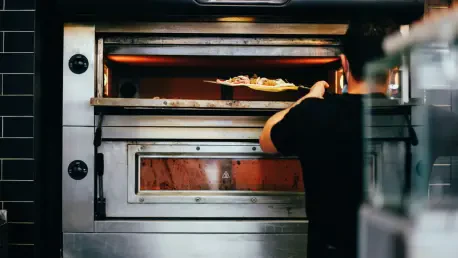
The presence of industrial pizza ovens and high-speed dough slicers creates a constant risk of thermal burns and severe lacerations that can derail operations in seconds. Kitchen staff often work under intense pressure to meet delivery deadlines, which increases the likelihood of accidental contact with hot surfaces or exposed blades. Modern slicer safety guards and specialized heat-resistant gloves are essential, yet their effectiveness depends entirely on consistent usage by every team member during every shift. Even small lapses in attention during peak periods can lead to deep cuts that require emergency room visits and weeks of recovery.
Furthermore, the accumulation of grease and flour on kitchen floors creates a high-risk environment for slips and falls. These incidents remain the leading cause of moderate to severe injuries in the food service industry. Implementing a rigorous floor maintenance schedule, coupled with a strict policy on slip-resistant footwear, significantly reduces the frequency of these claims. Regular audits ensure that cleaning protocols are followed even during peak hours when the floor is most hazardous. Consistency in these small operational details prevents the majority of high-cost slip accidents that plague the restaurant sector.
Managing Labor-Related Vulnerabilities
High employee turnover rates in the restaurant industry create a recurring cycle of risk as new workers enter the kitchen without adequate experience. Data shows that employees in their first ninety days of employment are statistically more likely to sustain an injury than seasoned veterans. This exposure window necessitates a tenure-based training program that prioritizes safety fundamentals before a staff member is allowed to operate heavy machinery or manage high-volume prep stations alone. Investing time in new hires during their first week pays dividends by preventing early-career injuries that drive up insurance costs.
Effective safety programs also rely on frontline supervisors who are trained to recognize the early signs of physical strain or ergonomic fatigue. Instead of focusing solely on output speed, managers must emphasize proper lifting techniques and posture to prevent long-term musculoskeletal disorders. By fostering an environment where workers feel comfortable reporting minor aches or equipment malfunctions, pizzerias can intervene before a small issue evolves into a costly claim. This cultural shift ensures that the physical well-being of the staff is prioritized alongside the speed of service and food quality.
Streamlining Claims and Operational Consistency
Improving Financial Outcomes
The financial trajectory of a workers’ compensation claim is largely determined by the speed of the initial response. Establishing a strict day-one reporting protocol ensures that injured employees receive immediate medical evaluation, which prevents minor injuries from worsening due to neglect. This prompt intervention also helps in controlling medical inflation and reduces the likelihood of litigation, as workers who feel cared for are less likely to seek outside legal counsel to resolve their claims. A manager’s immediate reaction to an injury sets the tone for the entire recovery process and the final cost.
For operators managing multiple locations, consistency across all sites is the biggest hurdle to maintaining low insurance costs. Centralizing injury data allows management to identify specific shops that may be underperforming regarding safety metrics and target them for additional training. Holding local managers accountable for their safety performance through regular reviews ensures that corporate safety standards are not just written in a manual but are actively practiced on the kitchen floor every day. This data-driven approach allows for precise resource allocation to the areas posing the highest risks.
Implementing Recovery and Integration Strategies
A robust return-to-work program serves as a bridge for employees recovering from injury, allowing them to perform modified or light-duty tasks until they are fully cleared. Tasks such as taking phone orders, folding pizza boxes, or managing inventory keep the worker engaged with the team and prevent the psychological disconnect that often accompanies long-term disability. This strategy significantly reduces indemnity payments, which are a primary driver of high insurance premiums for many pizzerias. Maintaining a connection with the employee accelerates the healing process and maintains overall staff morale.
The implementation of these proactive strategies proved to be a turning point for many pizzerias looking to stabilize their finances. Management prioritized long-term resilience over short-term speed, which resulted in a measurable decrease in both the frequency and severity of workplace accidents. This shift allowed businesses to reinvest savings from lower premiums back into staff development and technology. Ultimately, the industry moved toward a model where safety performance and operational excellence were seen as inseparable goals for success. These measures ensured that shops remained profitable and safe.