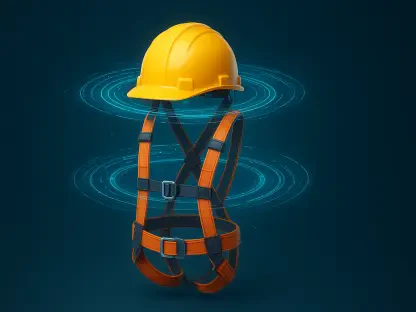

The sun-scorched plains and steel-laden construction sites of the modern world demand a level of physical grit that often leaves the internal struggles of the workforce buried beneath layers of heavy-duty gear and professional stoicism. In industries where physical safety is governed by rigorous protocols and high-visibility gear, a silent epidemic is unfolding behind the scenes. While a worker would never step onto a construction site without a helmet, nearly three-quarters of the outdoor workforce is navigating high-stakes environments with no protection against severe psychological strain. New data reveals that for many laborers in utilities, agriculture, and emergency services, the internal pressure to remain stoic is becoming just as hazardous as the external environment.
This hidden weight represents a structural failure in how occupational health is defined. For decades, the focus has remained exclusively on the tangible: fall protection, machinery guards, and respiratory masks. However, the data suggests that the most significant threat to longevity in these sectors is not a faulty harness, but the crushing weight of unaddressed mental distress. When three out of four employees report significant stress, the issue transitions from a personal struggle to a systemic crisis that compromises the very foundation of industrial safety and productivity.
The Hidden Weight of the Hard Hat: A Crisis Beneath the Surface
The prevailing culture in outdoor industries suggests that vulnerability is a liability, yet this mindset creates a dangerous paradox. Laborers who are trained to spot a hairline crack in a structural beam are often socially conditioned to ignore the fractures in their own mental well-being. This lack of psychological protection creates a vacuum where stress accumulates until it manifests as burnout or physical illness. Without a framework to address these internal hazards, the industry remains vulnerable to a decline in retention and an increase in avoidable workplace errors.
Furthermore, the disconnect between physical and mental safety protocols is becoming impossible to ignore. In many utility and agricultural settings, the gear provided is state-of-the-art, yet the resources for mental health are either nonexistent or buried in HR manuals that workers rarely see. This creates a workforce that is physically shielded but mentally exposed, navigating high-pressure roles without the tools necessary to process the unique stressors of outdoor labor. The silent nature of this crisis means that the true cost of stigma is often only measured after a tragedy occurs.
Why the Outdoor Workforce Is Reaching a Breaking Point
The outdoor industry serves as the backbone of national infrastructure, yet its cultural foundation is built on an unsustainable “push through” mentality. This expectation of resilience often forces individuals to prioritize productivity and physical presence over psychological well-being. As Stress Awareness Month brings these issues to the forefront, it becomes clear that the traditional “deal with it” attitude is no longer a badge of honor; it is a systemic barrier that prevents workers from accessing life-saving support in sectors where the stakes are highest.
Moreover, the relentless pace of modern infrastructure projects exacerbates these pressures. Workers often face tight deadlines, unpredictable weather, and physically grueling shifts that leave little room for recovery. When these external pressures meet a culture that discourages open communication, the result is a workforce operating at the edge of exhaustion. The current environment does not just test a worker’s physical strength; it tests their ability to suppress their own needs, a strategy that inevitably leads toward a total breakdown of the labor force’s stability.
Quantifying the Silence: Stress and Stigma by the Numbers
Recent research from Monster-Mesh highlights a troubling disconnect between the prevalence of stress and the willingness to report it. Approximately 75% of outdoor workers report moderate to high stress levels, yet 43% believe a significant mental health stigma persists in their field. In male-dominated trades such as construction, the figures are even more staggering, with 90% of workers experiencing high stress within the last year. These statistics translate into tangible physical consequences, including chronic insomnia, anxiety, and a 39% perception that mental health is simply not afforded the same seriousness as physical safety.
The impact of this silence extends far beyond the job site. High stress levels reported by 36% of construction workers occur on a weekly basis, leading to strained personal relationships and long-term health complications. Despite the availability of support in some companies, only a small fraction of the workforce—approximately 25%—actually utilizes these services. This gap indicates that the problem is not merely a lack of resources, but a deep-seated fear that seeking help will lead to professional repercussions or social alienation within their peer groups.
Expert Perspectives on the Dangerous Intersection of Stress and Safety
Industry leaders and mental health advocates emphasize that mental health is a core component of occupational safety, not a secondary HR concern. Mark McLennan of Monster-Mesh points out that while the industry excels at physical training, the mental health “safety net” remains underdeveloped. This sentiment is echoed by Lucas Whitehead of Andy’s Man Club, who warns that psychological distress leads to lapses in concentration. In high-risk environments like utility zones or agricultural sites, a momentary lack of focus due to untreated stress can lead to catastrophic physical accidents or fatalities.
When a worker is preoccupied with severe anxiety or the effects of chronic insomnia, their reaction times and situational awareness are significantly diminished. Professionals in the field argue that a worker struggling with their mental health is as much a safety risk as a worker who is intoxicated or physically impaired. Consequently, integrating mental health assessments into standard safety briefings is becoming a logistical necessity. The goal is to move the conversation from one of personal weakness to one of operational readiness and collective responsibility.
Actionable Strategies to Dismantle the “Push Through” Culture
To bridge the gap between reported stress and help-seeking behavior, companies must move beyond passive support and adopt visible advocacy. Integrating mental health messaging directly into the physical landscape of the job site—using specialized barrier covers or on-site branding—helps normalize the conversation where work actually happens. Furthermore, management must transition from merely providing “access” to support services to actively leading a culture of open communication. Treating psychological well-being with the same systematic rigor as a site safety inspection is the only way to ensure the long-term health of the outdoor workforce.
The path forward required a fundamental shift in how leadership engaged with their teams on the ground. Organizations successfully reduced stigma by implementing peer-to-peer support networks and training supervisors to recognize the early signs of psychological distress. They integrated mental health resources into daily toolbox talks and utilized physical signage to remind workers that seeking help was a standard part of job site protocol. By treating emotional resilience as a professional skill rather than a private burden, the industry began to foster a safer and more sustainable environment for the millions of people who build and maintain the world’s vital infrastructure.