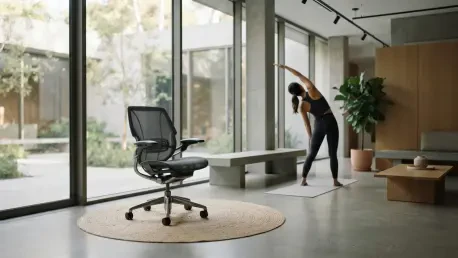

Corporate organizations frequently allocate massive budgets to ergonomic hardware and furniture upgrades, yet the actual health benefits for employees remain surprisingly stagnant according to recent findings. This roundup examines the growing disconnect between high-end office investments and the reality of persistent musculoskeletal pain among the modern workforce.
Findings from the University of Technology Sydney suggest that traditional HR health protocols are failing to produce measurable improvements. Updated Cochrane reviews now challenge the trillion-dollar ergonomic culture, prompting a necessary re-evaluation of how businesses approach employee wellbeing in 2026.
The Paradox of the Modern Office: Why Physical Adjustments Aren’t Solving Chronic Pain
Heavy investment in ergonomic hardware has not resulted in better health outcomes for most staff. Researchers have identified a significant gap between the cost of high-end equipment and the functional recovery of workers.
Standard safety protocols often emphasize physical adjustments that ignore the complexities of chronic pain. This disconnect suggests that a purely environmental approach is insufficient for addressing the long-term biological impact of sedentary office roles.
The Myth of the “Magic Chair”: Why Standard Furniture Swaps Underperform
Cochrane review data shows that expensive furniture swaps offer little to no improvement in sick leave rates. While a new chair might feel better initially, it rarely provides the clinical relief required to eliminate chronic discomfort.
Evidence supporting sit-stand desks remains at a low to moderate certainty level. Most corporate safety guidelines rely on these furniture changes despite a lack of consistent proof that they reduce musculoskeletal complaints.
The Limits of Passive Intervention: Why Arm, Neck, and Shoulder Relief Remains Elusive
Physical environment changes fail to provide tangible recovery for employees with chronic conditions. Organizations bear high financial burdens for these interventions without seeing a reduction in healthcare utilization or employee pain.
Relying on one-size-fits-all ergonomic gadgets often ignores the need for individualized care. Without movement-based strategies, passive interventions remain a superficial response to the deep-seated issues of work-related strain.
Activity Over Adjustment: The Superiority of Exercise in Rehabilitative Success
Shifting the focus from furniture to physical movement is the primary driver of employee health. Active exercise interventions consistently outperform static environmental changes in providing long-term relief and functional improvement.
Comprehensive rehabilitation programs are particularly necessary for specific conditions like rotator cuff tendinitis. Standalone ergonomic fixes cannot replace the healing power of targeted movement and professional physical therapy.
Re-evaluating Corporate Wellness: Navigating Health Utilization and Quality of Life
Minor benefits in quality of life are sometimes reported, but these findings remain inconsistent and low in certainty. HR departments must analyze the cost-benefit ratio of workplace design versus direct health interventions.
The future of office design points toward movement-friendly environments rather than a reliance on expensive gadgets. Prioritizing active workspaces allows companies to address the root causes of pain more effectively.
Strategic Recommendations for Employers and HR Leaders
Leaders should prioritize evidence-based movement programs over unproven hardware upgrades. Shifting ergonomic spending toward specialized rehabilitation for diagnosed workers provides a better return on investment than broad furniture rollouts.
Establishing a culture of physical activity combats the weaker health signal provided by passive adjustments. Encouraging active breaks helps employees maintain their physical health more effectively than simply modifying their workstations.
The Future of Workplace Health: Transitioning from Ergonomic Trends to Movement Science
The shift from static modifications to movement-centric care provided a new framework for organizational health. Business leaders moved their budgets toward strategies that delivered proven clinical results for their teams.
Organizations that prioritized biological engagement over furniture specifications observed more resilient workforces. This transition ensured that workplace safety focused on high-quality research rather than temporary ergonomic trends.