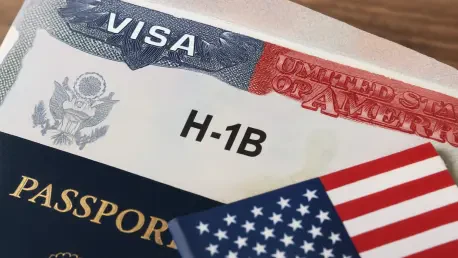

The competitive landscape for international talent has entered a restrictive new phase as the United States Citizenship and Immigration Services officially confirmed that the H-1B visa statutory cap for fiscal year 2027 has been fully met within record time. This milestone includes the standard 65,000 visa allocation alongside the 20,000 exemptions set aside for applicants holding advanced degrees from American universities. The swift closure of the registration window underscores a significant shift in immigration policy, moving away from traditional lottery systems toward a more rigid, merit-based framework. Employers now face a reality where securing high-skilled labor requires navigating a complex gauntlet of increased financial barriers and heightened federal oversight. While the demand for specialized technical expertise remains high, the administrative hurdles have reached a level that forces many corporations to rethink their long-term growth strategies and global recruitment pipelines. The impact of these changes is particularly evident in the tech sector, where the reliance on international expertise has been a cornerstone of innovation for decades.
Economic Implications: Financial Hurdles and Policy Shifts
A primary driver of the current atmosphere is the implementation of a weighted selection process that explicitly favors candidates commanding higher salaries and possessing superior technical credentials. This regulatory pivot reflects a broader executive mandate to prioritize domestic wage protection by ensuring that foreign workers do not undercut the local labor market. However, the most striking change is the introduction of a $100,000 fee for new H-1B petitions, a policy established by a presidential proclamation in late 2025. This massive fiscal requirement has fundamentally altered the cost-benefit analysis for startups and mid-sized firms that previously relied on international graduates to fill critical roles. While larger tech giants may absorb these costs, smaller enterprises are finding themselves priced out of the competitive market for global talent. Legal challenges to these fees are currently working through the federal courts, creating a period of deep uncertainty for human resources departments nationwide.
Beyond the immediate financial costs, the Department of Labor has introduced new rules aimed at significantly raising the prevailing wage rates for all H-1B classifications. These adjustments are designed to align the program with current economic conditions but have left many organizations scrambling to adjust their payroll budgets mid-cycle. The synthesis of these regulatory shifts suggests a growing consensus among federal agencies that the program should serve as a high-tier specialty tool rather than a general labor supply. Consequently, the business community has expressed profound concern regarding the sustainability of these models. A recent survey conducted by the law firm Littler Mendelson revealed that immigration and diversity policy changes have become the primary operational concern for employers, even surpassing the complexities of artificial intelligence compliance. This shift in priority highlights how deeply the new rules have penetrated the strategic planning of American businesses as they navigate a volatile and increasingly expensive legal landscape.
Administrative Rigor: Digital Scrutiny and Future Corporate Strategies
The U.S. State Department has simultaneously expanded its vetting procedures to include comprehensive online presence reviews for all visa seekers and their dependents. This initiative involves the rigorous monitoring of social media activity and public digital footprints to ensure that applicants align with national security and public policy standards. Such measures add another layer of complexity to the recruitment process, as firms must now vet the public personas of their prospective hires more carefully than ever before. For many applicants, this level of scrutiny feels intrusive, yet federal officials maintain that it is a necessary step to protect the integrity of the visa program. The administrative burden of complying with these transparency requirements has slowed the onboarding process for critical hires, leading to project delays in sectors like aerospace, biotechnology, and cybersecurity. Businesses are now forced to allocate more resources to legal and compliance teams to manage the documentation required under these newly established standards.
Organizations that successfully secured their allocations for this fiscal year prioritized early preparation and robust financial planning to navigate the $100,000 fee structure. Successful firms pivoted toward diversifying their talent acquisition strategies by exploring alternative visa categories or expanding their remote operations in international satellite offices. Legal experts recommended that companies conduct thorough audits of their social media policies and internal compliance protocols to mitigate the risks associated with the new vetting standards. To remain competitive, businesses moved away from a reliance on a single geographic pipeline and instead focused on cultivating domestic talent through university partnerships and internal upskilling programs. These proactive steps allowed some to offset the rising costs associated with H-1B sponsorships while maintaining their technical momentum. Moving forward, the emphasis shifted toward high-value hires whose expertise justified the increased administrative and fiscal burdens of the new regulatory environment. Firms that failed to adapt found themselves restructuring their entire staffing models.