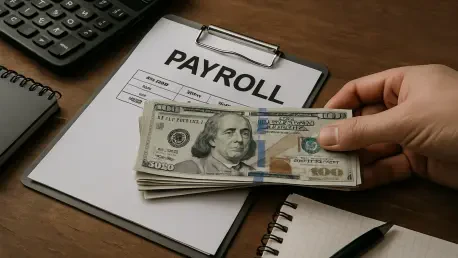

A recent enforcement action by the U.S. Department of Labor has cast a stark light on the persistent issue of wage theft within federal contracting, culminating in a Maryland-based subcontractor being ordered to pay more than $596,000 in back wages to 31 employees. The case against J. Solano HVAC LLC, which also resulted in a three-year debarment from federal contracts, underscores the significant financial and reputational damage that can arise from such illegal practices. This incident, centered on an affordable housing project in Washington, D.C., involved a sophisticated scheme where workers were systematically denied their full, legally mandated wages and benefits. The agency’s finding that the violations were “willful” highlights a deliberate attempt to circumvent federal labor laws, revealing a darker side of public works projects where the most vulnerable workers can be exploited. This single case serves as a powerful reminder of the ongoing battle to ensure fair pay and the complex mechanisms employers may use to unlawfully reduce labor costs at the direct expense of their workforce. The resolution not only provided financial restitution for the affected employees but also sent a clear message to other federal contractors about the serious consequences of non-compliance.
Unraveling the Mechanics of Wage Theft
The Deceptive Practice of Forced Rebates
The investigation into J. Solano HVAC LLC uncovered a classic wage kickback operation, a method of fraud that undermines the very foundation of prevailing wage laws like the Davis-Bacon Act. According to the Department of Labor, the company appeared to comply with the law on paper by issuing paychecks to its sheet metal workers and pipefitter mechanics for the full, legally required prevailing wage. However, this compliance was merely a facade. The scheme allegedly required these employees to return a portion of their earnings to the employer in cash. Specifically, workers were forced to “kick back” any amount they earned that exceeded a $30 per hour threshold. This practice effectively lowered their take-home pay to a level far below what federal law mandates for their skilled labor on government-funded projects. This type of arrangement is particularly insidious because it creates a paper trail that suggests legal compliance, making it difficult for regulators to detect without direct complaints from workers, who may fear retaliation or job loss for speaking out. The recovery of wages in this case demonstrates the critical importance of thorough investigations that go beyond simple payroll records to uncover the reality of workers’ actual compensation.
The scheme’s complexity extended beyond simple kickbacks, incorporating another common form of wage theft: the misclassification of workers. Investigators found that J. Solano HVAC improperly categorized some of its skilled employees as lower-skilled laborers. This tactic allowed the company to justify paying them a significantly reduced hourly rate from the outset, directly violating the Davis-Bacon Act’s requirement that workers be paid according to the type of work they perform. By combining forced rebates with deliberate misclassification, the employer created a two-pronged approach to unlawfully suppress labor costs. The cumulative effect was a substantial loss for the employees, who were not only deprived of their proper hourly pay but also cheated out of corresponding holiday wages and fringe benefits. These benefits, which are a crucial component of the prevailing wage, are calculated based on the proper wage rate. Consequently, the financial harm inflicted on the workers was compounded, affecting their overall economic stability and retirement security. This aspect of the case highlights how interconnected violations can create a cascade of financial damage for an unsuspecting workforce.
The Broader Scope of Compliance Failures
While the J. Solano HVAC case is a striking example of willful fraud, it represents just one facet of the challenges surrounding Davis-Bacon Act compliance. Federal contractors frequently run afoul of the law through a variety of other, sometimes less overt, violations. Inaccurate recordkeeping is a common issue, where employers fail to maintain precise logs of hours worked or the specific tasks performed by each employee, making it nearly impossible to verify that correct wages have been paid. Another frequent violation is the failure to submit weekly certified payrolls to the contracting agency. These certified records are a primary tool for ensuring compliance, as they require employers to formally attest to the accuracy of the wages and benefits paid to each worker on a project. When these reports are missing, incomplete, or falsified, it raises immediate red flags for regulators. The misclassification of workers, as seen in the J. Solano case, remains one of the most prevalent issues, as it provides a direct path for employers to underpay their workforce while maintaining an appearance of legitimacy. These varied and often overlapping failures demonstrate the multifaceted nature of wage theft in the federal contracting space.
The Department of Labor’s enforcement activities in this area reflect an ongoing, though variable, commitment to combating these violations. In the fiscal year 2024, the agency successfully collected over $14.1 million in back wages for workers affected by Davis-Bacon and Related Acts violations. This substantial figure, while significant, represents a decrease from the more than $17 million recovered in the previous fiscal year, suggesting fluctuations in enforcement priorities, case complexity, or the prevalence of violations. These statistics paint a picture of a persistent problem that requires constant vigilance from federal agencies. Each investigation, whether it uncovers a complex kickback scheme or more common recordkeeping failures, contributes to a larger effort to uphold labor standards on publicly funded projects. The debarment of non-compliant contractors like J. Solano HVAC serves as a potent deterrent, removing bad actors from the federal marketplace and reinforcing the message that adherence to prevailing wage laws is a non-negotiable condition of receiving taxpayer-funded contracts. The year-over-year data underscores that while progress is being made, the fight for fair wages is a continuous and evolving challenge.
The Contentious Landscape of Prevailing Wage Laws
Navigating Political and Legal Headwinds
The enforcement of prevailing wage laws occurs within a deeply contentious political and legal environment, where the regulations themselves are often the subject of intense debate. These laws have long been a focal point of disagreement between labor advocates, who see them as essential for protecting workers and ensuring high-quality work on public projects, and some industry groups, which argue they inflate construction costs and create unnecessary administrative burdens. This ideological divide was recently brought into sharp focus by the Biden administration’s effort to implement a new rule designed to update the Davis-Bacon Act’s methodologies for the first time in decades. The proposed changes were intended to increase wages for contractors working on federal projects, aligning them more closely with actual local market rates and strengthening worker protections. This move was celebrated by unions and worker rights organizations as a long-overdue modernization that would ensure government spending supports family-sustaining jobs. However, it was met with immediate and forceful opposition from contractor associations and business groups who viewed the rule as a costly overreach of federal authority.
The political struggle over the administration’s proposed rule quickly escalated into a legal battle, underscoring the formidable opposition that efforts to bolster prevailing wage standards often face. A coalition of industry groups filed a lawsuit to block the new regulations, arguing that the Department of Labor had exceeded its statutory authority and that the rule would impose undue economic harm on contractors. Their challenge found a receptive audience in a Texas federal judge, who issued an injunction that temporarily halted the rule’s implementation nationwide. This legal setback highlighted the significant hurdles that stand in the way of reforming and strengthening prevailing wage laws. The court’s decision effectively froze a key policy initiative aimed at benefiting workers and illustrated the power of organized industry opposition in shaping the legal landscape. This ongoing conflict creates a challenging and uncertain environment for the DOL’s enforcement activities, as the very regulations the agency is tasked with upholding are simultaneously being contested in the courts and debated in the political arena.
A Conclusive Judgment on Unlawful Practices
The enforcement action against J. Solano HVAC LLC ultimately served as a decisive statement on the severe consequences of engaging in wage theft. The recovery of over half a million dollars provided tangible restitution to the 31 workers who had been systematically underpaid, restoring funds that were rightfully theirs. Beyond the financial settlement, the three-year debarment from federal contracts delivered a powerful blow to the company’s business operations and reputation, effectively shutting it out of a lucrative market. This outcome demonstrated that the true cost of such a scheme extended far beyond the immediate back wages; it encompassed legal battles, significant financial penalties, and long-term exclusion from public sector work. For the industry at large, the case became a cautionary tale about the risks of non-compliance and the determination of federal agencies to uncover even the most carefully concealed fraudulent activities. The successful resolution reaffirmed the principle that adherence to federal labor laws was not merely a suggestion but a mandatory prerequisite for participating in taxpayer-funded projects.