
For countless teenagers, a first job waiting tables or washing dishes represents a celebrated rite of passage into the working world, but for a disturbing number, it becomes an introduction to exploitation and abuse. The very accessibility that makes the restaurant industry an ideal entry point for young people also creates an environment ripe with risk. A recent high-profile settlement involving a San Diego restaurant operator has cast a harsh light on the systemic issues that leave these novice employees susceptible to harassment, forcing a long-overdue conversation about accountability and the fundamental need for cultural reform.
The Restaurant Industry A Proving Ground and a Minefield
The restaurant sector has long served as the primary gateway to employment for millions of young Americans. Its flexible hours, low barrier to entry, and constant demand for labor make it an attractive option for teenagers seeking their first paycheck and young adults balancing work with education. This role as a foundational employer is critical to the economy, providing essential job experience and skills development for a significant portion of the emerging workforce.
However, the industry’s inherent structure often transforms this proving ground into a minefield. Characterized by exceptionally high staff turnover, informal and often blurred lines of authority, and a workforce dominated by first-time employees, the environment is frequently unstable. This dynamic creates power imbalances where inexperienced workers may not know their rights or feel empowered to challenge the authority of more seasoned supervisors. Consequently, the same factors that make the industry accessible also foster conditions where misconduct can flourish unchecked.
A Culture of Exploitation Trends and Financial Fallout
The Anatomy of Harassment A Pattern of Abuse
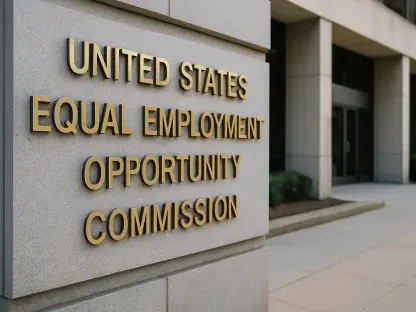
The recent case involving Swami’s 101, a San Diego restaurant operator, serves as a stark illustration of how harassment can become institutionalized. According to the U.S. Equal Employment Opportunity Commission (EEOC), the company engaged in a pattern of abuse that began around 2019, where supervisors allegedly targeted young female employees, some as young as 16, based on their appearance and perceived naivete. This predatory approach to hiring set the stage for a hostile work environment from day one.
The abuse detailed in the lawsuit was not random but followed a common script of exploitation. Allegations included unwanted physical contact, a barrage of sexualized comments, and even managers sharing pornographic material with underage staff. Supervisors were accused of manipulating their authority, rewarding compliance with favorable shifts while punishing those who resisted their advances. This behavior highlights a systemic weaponization of power, transforming the workplace into a space governed by coercion rather than professional conduct.
The High Cost of Misconduct By the Numbers
Fostering a hostile work environment carries an increasingly steep price, a fact underscored by the $650,000 settlement Swami’s 101 agreed to pay. This figure represents more than just a financial penalty; it is a clear signal to the industry that neglecting employee safety has severe monetary consequences. For an industry that often operates on thin margins, such a significant payout can be devastating, serving as a powerful deterrent against similar misconduct.
This settlement is not an anomaly but part of a larger enforcement trend. The EEOC has demonstrated a consistent focus on this issue, recovering over $1.2 million in settlements from multiple recent lawsuits targeting the sexual harassment of young female workers. As regulatory scrutiny intensifies, operators who fail to implement and enforce robust anti-harassment policies face escalating financial and reputational risks that threaten their long-term viability.
Barriers to Safety The Culture of Silence and Retaliation
One of the most significant challenges in combating workplace harassment is the pervasive culture of silence that protects abusers. Young workers, often in their first job, are frequently unaware of their rights or the proper channels for reporting misconduct. This uncertainty is compounded by a fear of not being believed, being labeled a troublemaker, or losing a much-needed job, creating formidable barriers to speaking out.
This silence is often actively enforced by management. In the Swami’s case, the EEOC alleged that the company’s owner “laughed off” a formal complaint, a dismissive attitude that signals to both victims and perpetrators that such behavior is tolerated. When employees did summon the courage to complain, they allegedly faced retaliation, including having their hours cut, being assigned undesirable tasks, or being subjected to unfair punishments. This creates a cycle of constructive discharge, where the work environment becomes so intolerable that employees are effectively forced to quit.
The EEOC Strikes Back A New Era of Enforcement
In response to these systemic issues, the U.S. Equal Employment Opportunity Commission has intensified its focus on protecting the most vulnerable members of the workforce. The agency is leveraging its regulatory power to investigate claims, file lawsuits on behalf of victims, and enforce compliance through legally binding settlements. This strategic intervention marks a shift toward holding employers directly accountable for the environments they cultivate.
The EEOC’s 2024-2028 strategic enforcement plan explicitly identifies teenage workers as a protected group within its “vulnerable and underserved worker” category. This formal designation is significant, as it channels agency resources and attention toward industries that heavily employ young people, with the restaurant sector being a primary target. The message from the federal government is unequivocal: the protection of young workers is no longer a secondary concern but a top enforcement priority.
Forging a Safer Future Mandated Changes and Industry-Wide Implications
The terms of the Swami’s settlement offer a glimpse into the future of mandated workplace safety in the restaurant industry. The consent decree goes beyond a simple monetary payment, requiring deep, structural changes. These include the appointment of an external EEO monitor to oversee compliance, the establishment of a formal, accessible complaint procedure, and the creation of a dedicated employee hotline for reporting misconduct.
These court-mandated solutions are poised to become the new benchmark for industry best practices. As the EEOC continues to pursue similar cases, such settlement terms are likely to be replicated, effectively establishing a new standard of care for employers. The expectation is no longer just to have a policy on paper but to implement a verifiable system of checks and balances that actively prevents harassment and protects staff.
Beyond the Settlement A Call for Proactive Cultural Reform
The persistent vulnerability of young restaurant workers stems from a combination of industry structure and a culture that has too often tolerated misconduct. While legal actions and financial settlements are crucial for accountability, they are ultimately reactive measures that address harm after it has already occurred. The industry is now at a critical inflection point where the focus must shift from reaction to prevention.
This transition requires a genuine commitment to proactive cultural reform that extends beyond mere legal compliance. The industry must move toward implementing comprehensive, ongoing training that empowers employees and educates managers on their responsibilities. Furthermore, establishing transparent and trustworthy reporting systems is essential to dismantling the culture of silence and retaliation that allows abuse to fester. A true zero-tolerance policy is not just a slogan in a handbook but a lived reality, championed by leadership and embedded in the daily operations of every restaurant, ensuring a safe and respectful environment for all workers.