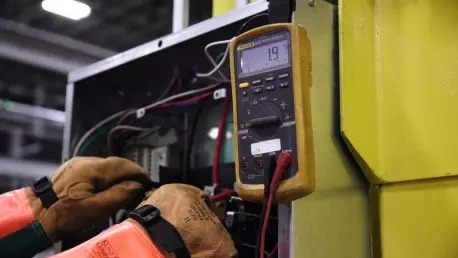

A functional Electrical Maintenance Program must include a systematic survey of all equipment to prioritize repairs based on actual condition and risk. This strategic approach acknowledges a fundamental truth in industrial environments: the moment an electrical system is energized, it begins a steady process of degradation. While many safety protocols focus on immediate worker protection, the physical integrity of the hardware itself often determines the effectiveness of those very safeguards. When components like transformers, circuit breakers, and switchgear are left to deteriorate without oversight, the likelihood of catastrophic failure, electrical fires, and lethal arc-flash incidents increases exponentially. The implementation of a rigorous maintenance framework serves as a proactive defense, ensuring that high-voltage assets remain within their designed operating parameters. By identifying specific points of vulnerability before they manifest as critical faults, facilities can move beyond a culture of reaction and toward a state of operational resilience and long-term safety.
The Legal Shift: From Recommendations to Mandatory Standards
For many years, the industry viewed NFPA 70B as a collection of “recommended practices,” which used non-mandatory language that allowed organizations to treat electrical maintenance as an optional or secondary task. This permissive landscape changed significantly in early 2023 when the document transitioned into a full consensus standard. By replacing the suggestive word “should” with the authoritative “shall,” the National Fire Protection Association elevated maintenance to a strict requirement. This shift established a firm legal and professional benchmark that authorities having jurisdiction, such as insurance inspectors and government officials, now use to verify that an employer is providing a truly safe work environment. Consequently, organizations can no longer hide behind the ambiguity of elective guidelines when an incident occurs; they are now held to a standardized level of accountability that requires documented proof of regular system upkeep and inspections.
This transition has profound implications for corporate liability and the enforcement of workplace safety regulations across the United States. When a standard becomes a mandatory code, it provides a clear roadmap for what constitutes “reasonable care” in the eyes of the law. Insurance providers have increasingly leveraged these requirements to adjust premiums or deny claims based on the maintenance status of a facility’s power distribution system. Furthermore, governmental safety inspectors now look for specific evidence of compliance with these mandatory protocols during routine facility audits. The shift was designed to close the gap between installation safety and operational safety, ensuring that the protection provided on the first day of service is maintained throughout the entire lifecycle of the equipment. As a result, the industry has seen a more disciplined focus on the technical details of electrical infrastructure, moving maintenance from a maintenance budget line item to a core safety imperative.
Strategic Integration: Predictive Models and Regulatory Synergy
The modern approach to electrical safety rejects the antiquated “run-to-failure” model in favor of a sophisticated predictive maintenance philosophy. By staying ahead of the failure curve, facility managers can address equipment distress before it reaches a hazardous state that endangers personnel. Key indicators of impending trouble include visible scorching, burning odors, unusual mechanical vibrations, and the accumulation of dust or debris. Identifying these early warning signs allows for scheduled repairs, preventing the sudden accidents and legal enforcement actions that inevitably follow equipment neglect. This proactive methodology not only saves lives but also reduces the total cost of ownership by extending the lifespan of expensive components. It allows technical teams to plan outages during low-impact periods rather than reacting to catastrophic failures that disrupt production and compromise the safety of the entire facility staff.
A critical link also exists between NFPA 70B and other essential safety regulations, specifically NFPA 70E and OSHA. While NFPA 70E governs safe work practices for employees, its effectiveness relies entirely on the assumption that equipment is in “normal operating condition.” If maintenance is ignored, safety measures like circuit breakers or protective enclosures may fail to perform as expected during a fault, rendering employee training and personal protective equipment ineffective. OSHA has increasingly cited a lack of maintenance as a contributing factor in workplace injuries, making compliance a prerequisite for meeting broader federal safety requirements. This synergy ensures that the human element of safety is supported by a reliable physical infrastructure. When these standards are viewed as a cohesive unit, they create a comprehensive safety net that addresses both human behavior and the mechanical reliability of the power systems that drive modern industry.
Operational Excellence: Accountability and Sustainable Practices
The standard removed any remaining ambiguity regarding who is responsible for the integrity of an electrical system by placing accountability directly on the equipment owner. This is particularly important in commercial or industrial leases where landlords and tenants might otherwise dispute who should pay for and manage system upkeep. By mandating that the owner implement and document the Electrical Maintenance Program, the framework ensured that safety responsibilities were clearly defined and that tasks did not fall through the cracks of a legal contract. This clarity has forced a more transparent dialogue between facility owners and occupants, leading to better-funded maintenance initiatives and a clearer understanding of the risks associated with shared infrastructure. The owner is now tasked with ensuring that every component, from the service entrance to the final branch circuit, is tracked and maintained according to the specific manufacturer guidelines and environmental conditions.
The transition toward a mandatory maintenance framework required a fundamental shift in how facility managers approached their electrical infrastructure. To move forward, organizations prioritized the appointment of a dedicated program coordinator who possessed the authority to oversee corrective actions and manage documentation. This individual ensured that the results of periodic surveys were not merely filed away but were used to trigger immediate repairs or equipment upgrades. Furthermore, the integration of digital tracking systems emerged as a solution for maintaining the rigorous audit trails demanded by insurance providers and safety regulators. Industry leaders recognized that the most effective path toward compliance involved a commitment to continuous education for all personnel involved in the lifecycle of electrical assets. These steps established a new standard of care where the invisible hazards of equipment aging were systematically addressed, thereby securing the operational future of modern industrial facilities.