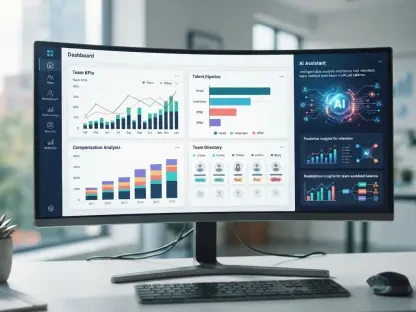

Modern applicants are increasingly using sophisticated artificial intelligence agents to generate professional-grade essays and technical reports for hiring managers. This technological shift coincides with a change in corporate strategy where organizations have largely abandoned the long-term

The traditional image of a federal auditor working in the quiet shadows of a government bureau has been replaced by an aggressive, front-line enforcement agent wielding significant legal power. Currently, the Department of Labor’s Office of Inspector General is undergoing a fundamental
The focus of AI adoption in the SMB sector is shifting from general literacy toward highly specialized training for marketing and engineering teams. As small and medium-sized businesses navigate the complexities of the mid-2020s, the traditional boundaries between technical and non-technical roles

Current California law contains a significant loophole that sets deadlines for responding to record requests but not for the actual production of documents. This lack of a statutory timeline for the final delivery of data allows government agencies to stall indefinitely, often leaving taxpayers in

The transition from a certification-based system to a reporting-based one reflects a strategic push toward governmental oversight and automated data analysis. This legislative pivot, codified under Law No. 53/2026, marks a fundamental change in how Iceland approaches its longstanding goal of gender

Most corporate risk models for employment litigation are built on a foundation of invisible settlements and misunderstood averages that fail to reflect the true financial exposure of modern claims. This oversight creates a dangerous gap between perceived liability and reality, especially as legal