
The persistent image of a recruiter today involves a desk cluttered with digital sticky notes and dozens of browser tabs that seem to multiply with every new application received during the workday. This chaotic environment is a symptom of a deeper crisis in the hiring landscape, where the volume of data has far outpaced the capacity of human processing. For many organizations, the recruitment process has become a bottleneck that prevents rapid scaling and discourages the best candidates from completing the journey.
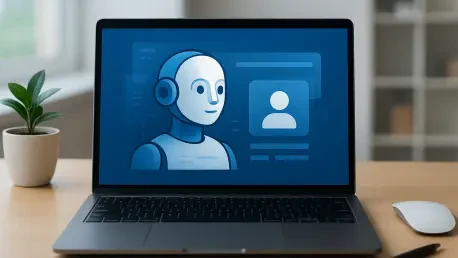
In this high-stakes environment, Cooper’s AI-native platform emerged as a definitive solution to the fragmentation of modern talent acquisition. Unlike previous iterations of recruitment software that merely digitized paper files, this system was designed to handle the complexity of the current labor market. By synthesizing every stage of the hiring lifecycle—from the initial search to the final interview—into a single, automated workflow, the platform offers a fundamental redesign of how companies connect with talent and build their future workforces.
Breaking the Administrative Chains of Recruitment
The modern recruiter often functions less as a strategic talent scout and more as a high-volume data entry clerk, submerged beneath a relentless tide of resumes and disjointed software tools. While the digital age initially promised to streamline these operations, it largely delivered digital filing cabinets that require constant manual upkeep to remain viable. This administrative tax on hiring teams consumes hours that should be spent on candidate engagement, creating a sluggish environment where top talent is often lost to more agile competitors.
Cooper enters the market as a rejection of this status quo, offering a platform where intelligence is native rather than an afterthought. Instead of adding another layer of complexity to an already crowded tech stack, it replaces manual labor with automated precision. This transition allows organizations to reclaim their most valuable resource—time—by removing the repetitive drudgery that has historically slowed organizational growth and demoralized human resources departments.
The Shift from Digital Records to Active Intelligence
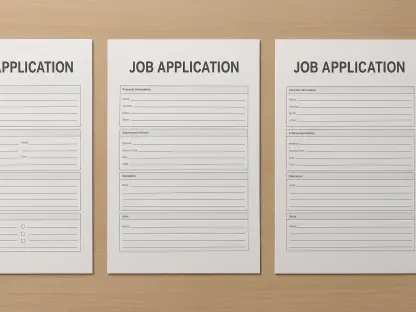
For more than a decade, Applicant Tracking Systems served as passive repositories that organized the chaos of hiring without actually resolving the underlying friction. These legacy systems forced talent acquisition teams into a difficult choice: either hire more administrative staff to manage the software or accept prolonged time-to-hire cycles that damaged the bottom line. As industries like logistics and manufacturing demand unprecedented speed, the primary hurdle has shifted from a lack of candidate data to an inability to process it effectively.
Looking at the current trajectory from 2026 to 2028, the necessity for active intelligence has become undeniable for companies planning to expand their footprints. Cooper addresses this systemic crisis by moving beyond simple organization and toward total acceleration. This approach transforms the role of the recruiter from a processor of information into a strategic architect of teams, ensuring that data is not just stored but actively utilized to drive hiring decisions in real-time.
The Three-Agent Architecture: A New Blueprint for Talent Acquisition
The core of this platform resides in its synergistic intelligent workforce, which is composed of three specialized AI agents designed to manage the high-volume sections of the hiring funnel. The first of these agents, known as Coo, revolutionizes the process of talent discovery. By scanning diverse talent pools and professional networks simultaneously, Coo identifies qualified candidates with a speed and breadth that manual human searches cannot match. This ensures a more diverse pipeline by removing the limitations of search fatigue.
Once candidates are identified, the second agent, Scout, initiates precision screening that goes far beyond the flawed keyword-matching logic of traditional software. Scout analyzes each applicant against nuanced, custom hiring criteria that reflect the specific needs of the role. By prioritizing candidates based on actual requirements rather than resume formatting, Scout ensures that hiring managers dedicate their time only to the most viable talent, significantly reducing the noise in the evaluation process.
The final component of this architecture is Robin, the interviewing agent that standardizes the candidate experience. Robin conducts structured first-round AI interviews, providing every applicant with a consistent and fair opportunity to showcase their skills. By generating transcripts and actionable, data-driven summaries, Robin allows recruiters to make informed decisions long before the first face-to-face meeting. This unified workspace prevents the data leakage often found in fragmented systems