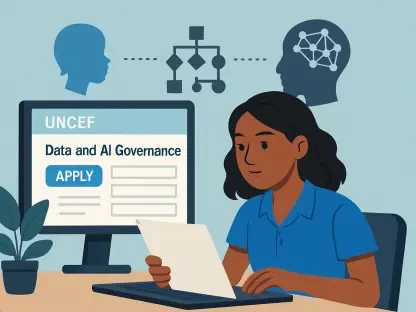
A significant imbalance between technology acquisition and human capital development is currently threatening the return on investment for artificial intelligence initiatives across British organizations. This friction point emerges as businesses scramble to integrate sophisticated large language

The integration of native artificial intelligence allows companies to move beyond retrospective reporting by utilizing predictive modeling to identify flight-risk employees before they resign. This fundamental shift has redefined the human resources landscape, transforming the role of HR

The 2026 assessment highlights that the U.S. system’s heavy reliance on a strained Social Security program creates a precarious future for upcoming generations of retirees. This conclusion, drawn from the 18th annual Marsh CFA Institute Global Pension Index, provides a sobering look at how the

Physiological fatigue in the lower extremities can alter a person's gait, making it significantly harder for them to recover from a simple slip or trip on the warehouse floor. This specific physical vulnerability is just one component of the broader phenomenon known as fourth-quarter fatigue, which

Beginning July 1, 2027, companies operating in California must provide independent evidence to support any adverse employment action primarily triggered by automated decision systems. In this landscape, workers have often found themselves penalized by opaque algorithms that calculate efficiency

Artificial intelligence in HRIS tools is currently split between improving administrative retrieval speeds and providing deep sentiment analysis of employee engagement surveys. This divergence represents a fundamental shift in how organizations perceive human capital data in 2026, moving away from