
The manual processing of salaries became a necessary emergency measure after a ransomware actor successfully disabled the automated human resources system used by MUIS. This digital paralysis originated within the infrastructure of Avelogic, a specialized software vendor providing the SmartHRMS

Strategic migration to a unified security fabric requires a deep understanding of which users require access to specific data sets based on actual operational risk. The modern corporate landscape has undergone a radical transformation, moving away from the traditional "hardened perimeter" model

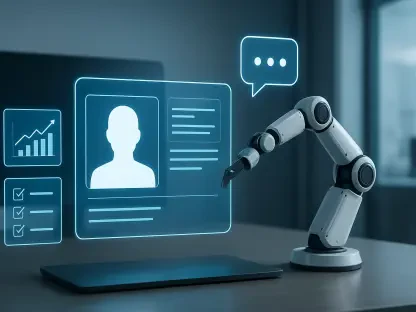
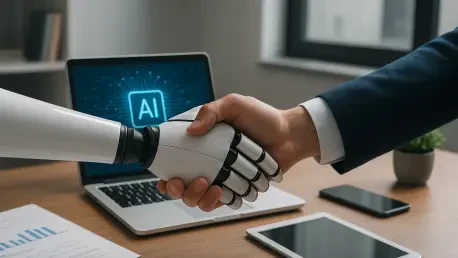
If an HR leader cannot explain how a tool reaches a summary or how its data is protected, that technology is generally considered unfit for a professional environment. The rapid adoption of artificial intelligence in corporate settings has transformed how Human Resources departments document their

Standardized federal pay scales used by the Department of Veterans Affairs and military facilities often provide more stability than volatile private-sector market adjustments. For decades, the American workforce has debated whether government service is a sacrifice or a sanctuary for high earners,
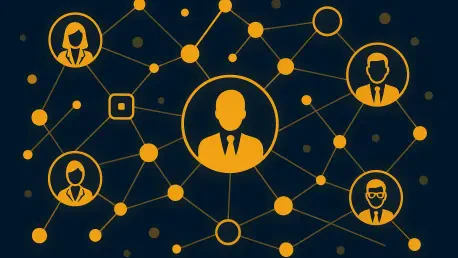
The global recruitment sector is witnessing a decisive departure from the era of high-volume digital noise toward a focused ecosystem where data-driven precision defines organizational success. In the current landscape, the reliance on legacy "post and pray" methodologies has given way to a

The true cost of corporate health coverage is rarely found within the neatly printed figures of an annual insurance premium, but rather in the quiet erosion of employee productivity and the compounding expenses of mismanaged care. Recent shifts in the 2026 corporate landscape have revealed a