

The Workplace Safety and Insurance Board has officially decommissioned a program established in 1945 to assist veterans returning from World War II. This historic transition ends an eighty-year chapter in Ontario’s industrial history, as the Second Injury and Enhancement Fund (SIEF) finally gives

The delay between the onset of initial symptoms and the delivery of clinical support represents a significant navigation gap that allows minor health issues to escalate into chronic conditions. Despite the record-breaking investments made into corporate wellness programs through 2026, organizations

Medical researchers argue that individual resilience programs like mindfulness are insufficient to solve what is fundamentally a structural and systemic failure. The Canadian emergency medical system is currently grappling with a stagnant crisis that threatens the foundation of front-line

A voluntary remediation framework allows businesses to resolve outstanding liabilities from historical non-compliance through a structured six-year look-back process and settlement plan. This provision serves as a critical bridge between the outdated Holidays Act 2003 and the comprehensive new
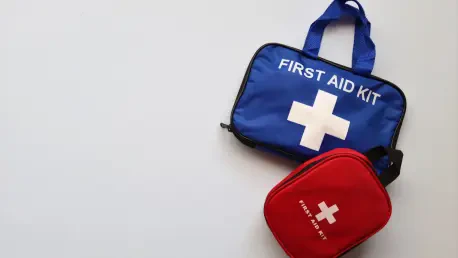
While federal OSHA standards do not yet mandate naloxone, the FDA's 2023 approval of over-the-counter nasal sprays has made these life-saving tools widely accessible to businesses. For years, workplace first-aid kits remained relatively static, containing bandages, antiseptics, and perhaps an
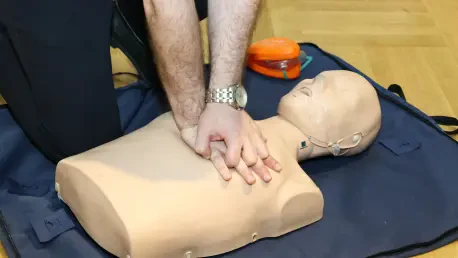
The adoption of national gold standards for emergency response curriculum ensures that Ontario's workforce receives the most current, evidence-based instruction available. This initiative, which gained momentum after its initial launch in the summer of 2024, represents a significant leap forward in